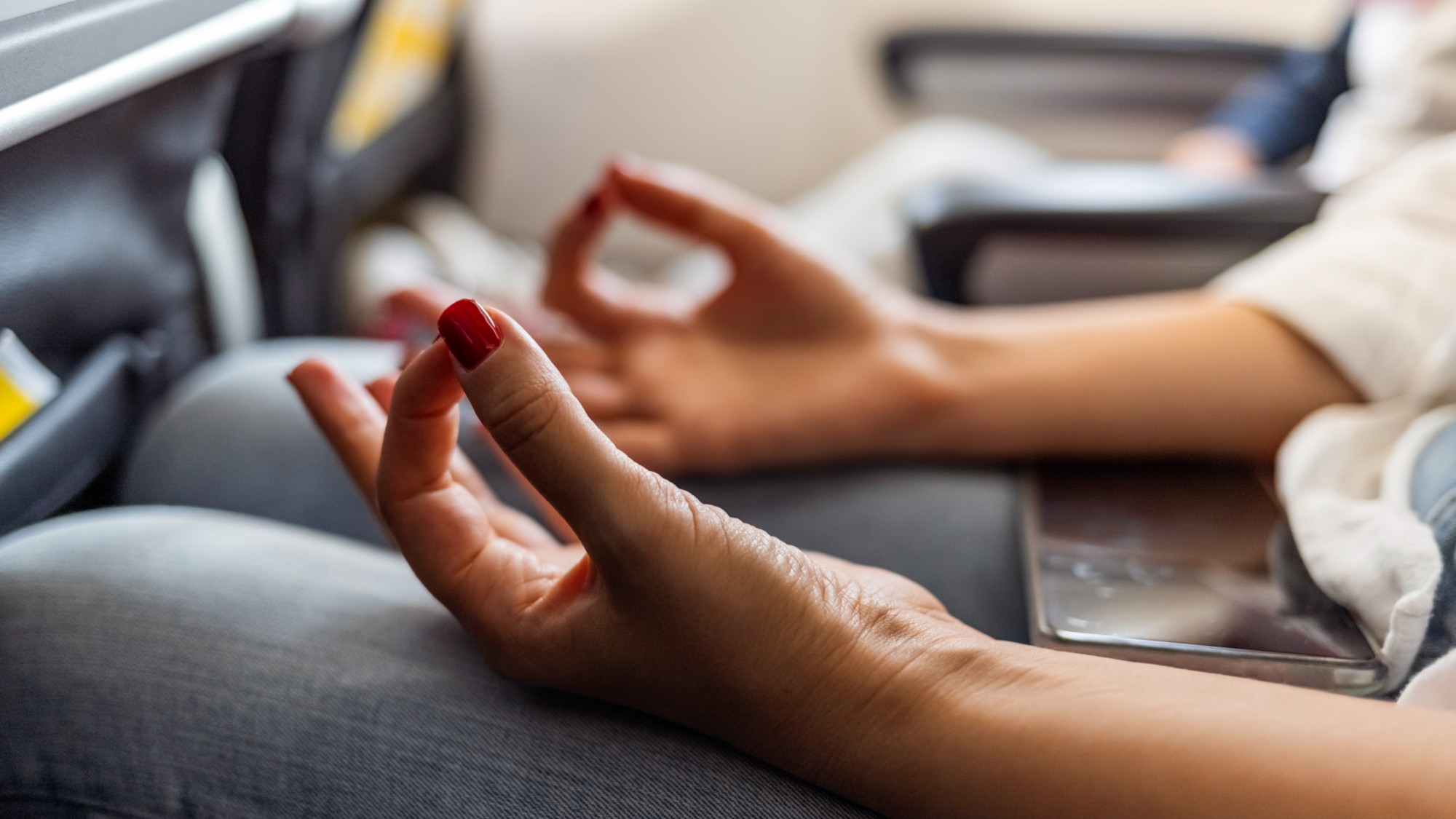
Soar Above Your Fears: 5 Expert Tips to Conquer Air Travel Anxiety
For millions of travelers worldwide, flying triggers intense anxiety that can overshadow entire journeys. Approximately 40% of adults experience some form of flight-related stress, according to the National Institute of Mental Health. Aviation psychologists and seasoned travelers reveal five evidence-based strategies to transform air travel from a source of dread into a manageable—even enjoyable—experience.
Understanding the Roots of Flight Anxiety
Dr. Ellen Parker, a clinical psychologist specializing in travel phobias, explains: “Flight anxiety typically stems from three factors: lack of control, fear of turbulence, and claustrophobia. The brain perceives these as threats, triggering fight-or-flight responses even when no real danger exists.” Modern aircraft undergo rigorous safety testing, with commercial aviation maintaining a 99.9% safety record according to IATA 2023 data.
1. Master Pre-Flight Preparation Techniques
Proactive planning significantly reduces travel stress. Consider these approaches:
- Airport familiarization: Use virtual tours available on most major airport websites
- Seat selection: Opt for aisle seats if claustrophobic, or wings for minimal turbulence sensation
- Digital tools: Apps like FlightAware provide real-time tracking and delay alerts
Former flight attendant turned anxiety coach, Mark Reynolds, advises: “Arrive early to avoid time pressure. Two hours for domestic, three for international flights lets you acclimate to the environment at your own pace.”
2. Employ In-Flight Coping Mechanisms
When anxiety strikes mid-flight, these techniques help regain calm:
- 4-7-8 breathing: Inhale for 4 seconds, hold for 7, exhale for 8
- Grounding exercises: Name five things you can see, four you can touch, three you can hear
- Distraction kits: Load tablets with favorite shows, pack engrossing books
A 2022 University of Washington study found passengers using these methods reported 58% lower anxiety levels compared to control groups.
3. Reframe Turbulence Through Education
Captain Sarah Chen, a 20-year commercial pilot, demystifies turbulence: “Think of it as potholes in the sky—uncomfortable but rarely dangerous. Modern planes withstand stresses far beyond anything encountered in routine flights.” The Federal Aviation Administration confirms turbulence causes less than 3% of all aviation incidents.
4. Consider Professional Support Options
For persistent fears, specialized programs offer lasting solutions:
- Cognitive Behavioral Therapy (CBT): 75% effectiveness rate for phobia treatment
- Flight anxiety courses: Many airlines partner with mental health professionals
- Gradual exposure: Start with airport visits, progress to short flights
5. Optimize Physical Comfort
Physical discomfort exacerbates anxiety. Smart packing makes a difference:
- Noise-canceling headphones: Reduce engine noise by 30 decibels
- Compression socks: Improve circulation on long flights
- Hydration: Cabin air has 10-20% humidity—drink 8oz water per hour
The Future of Anxiety-Free Air Travel
Airlines increasingly recognize mental wellness as integral to customer experience. Innovations include:
- Virtual reality exposure therapy at select airports
- Calm app partnerships offering free in-flight meditation content
- Cabin lighting designed to reduce stress hormones
While air travel anxiety remains common, these strategies empower passengers to reclaim their comfort aloft. As aviation technology advances and mental health awareness grows, the industry moves toward making flying accessible—and even enjoyable—for all. Ready to transform your next flight? Book a short test trip to practice these techniques in real-world conditions.
See more BBC Travel World


