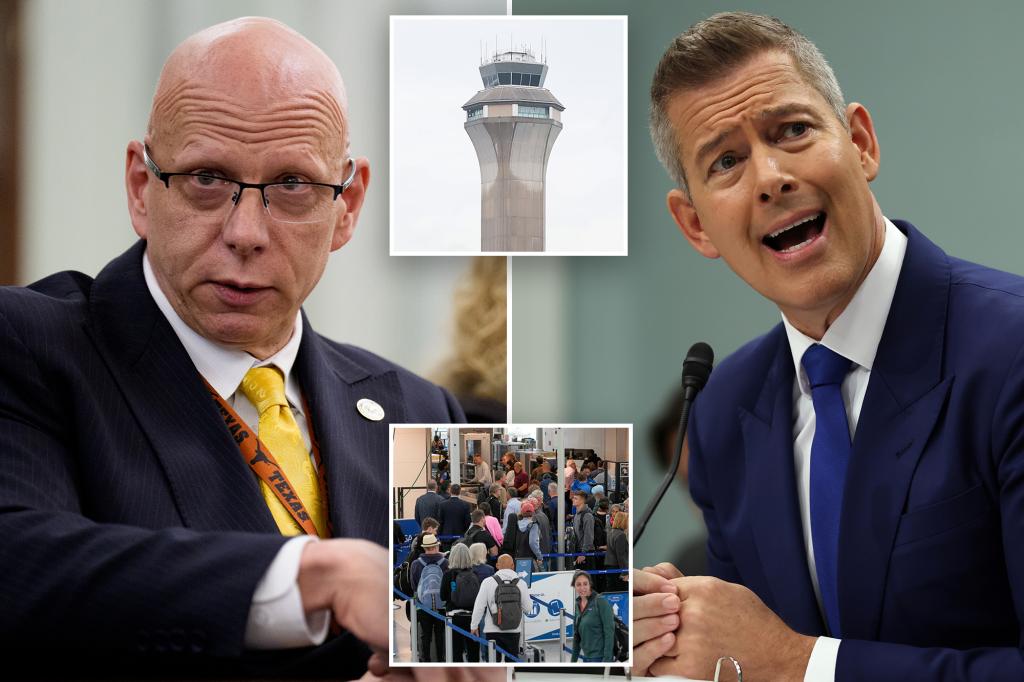
Summer Skies Turn Gloomy: Lawmakers Sound Alarm on Air Travel Woes
As the summer travel season kicks into high gear, U.S. lawmakers are warning of potential chaos in the skies due to outdated air traffic control systems, staffing shortages, and sluggish Federal Aviation Administration (FAA) reforms. With passenger volumes expected to surpass pre-pandemic levels, experts predict a perfect storm of delays, cancellations, and frustration for millions of travelers from June through August.
FAA Modernization Delays Fuel Concerns
Congressional leaders from both parties are pressing the FAA for urgent updates on its NextGen air traffic control modernization program, a multi-billion-dollar initiative launched in 2004 that remains behind schedule. Despite promises to reduce delays by 35%, key components like GPS-based navigation won’t be fully operational until at least 2030.
“The FAA is playing catch-up with technology from the last century while passenger demand rockets ahead,” said Senator Maria Cantwell (D-WA), chair of the Commerce Committee. At a recent hearing, she revealed that 60% of critical FAA facilities still use analog radar systems vulnerable to outages.
- 45,000+ flights per day expected this summer (up 6% from 2023)
- 12% fewer air traffic controllers than in 2019
- 3 major system failures in 2023 caused nationwide ground stops
Staffing Shortages Reach Crisis Levels
The FAA’s workforce challenges compound the technological risks. Though the agency hired 1,500 new controllers in 2023, attrition rates remain high, with 32% of trainees failing certification exams. New York Center—which handles the nation’s busiest airspace—currently operates at just 54% of recommended staffing.
“We’re asking controllers to do more with less, and that’s when mistakes happen,” warned National Air Traffic Controllers Association president Rich Santa. He cited 10-hour shifts and mandatory overtime as contributing factors in the 23% rise in near-miss incidents since 2021.
Travel Industry Braces for Impact
Airlines for America reports that carriers have trimmed summer schedules by 1.6% to mitigate disruptions, but consumer advocates argue this barely addresses the root causes.
“Reduced flights mean higher fares and fewer options when cancellations hit,” said travel analyst Henry Harteveldt. “Families booking now should avoid tight connections and consider travel insurance.”
Regional Airports Face the Brunt
Smaller hubs may experience disproportionate effects. FAA data shows that when major airports like Atlanta or Chicago O’Hare face weather delays, regional flights are 4x more likely to be canceled than mainline routes.
Passenger rights groups advise:
- Book morning flights (historically 25% less likely to be delayed)
- Use apps like FlightAware to monitor aircraft history
- Know DOT compensation rules for 3+ hour delays
What’s Next for Air Travel Reform?
While the FAA Reauthorization Act signed in May allocates $105 billion for upgrades, most changes won’t take effect until 2025. Immediate relief may come from newly deployed runway collision avoidance software at 35 major airports, but experts say systemic fixes remain years away.
For now, the message to travelers is clear: pack patience along with your sunscreen. As the summer surge begins, staying informed and flexible could mean the difference between a vacation saved and a trip gone awry. Sign up for airline alerts and check FAA travel tips before heading to the airport.
See more BBC Travel World


