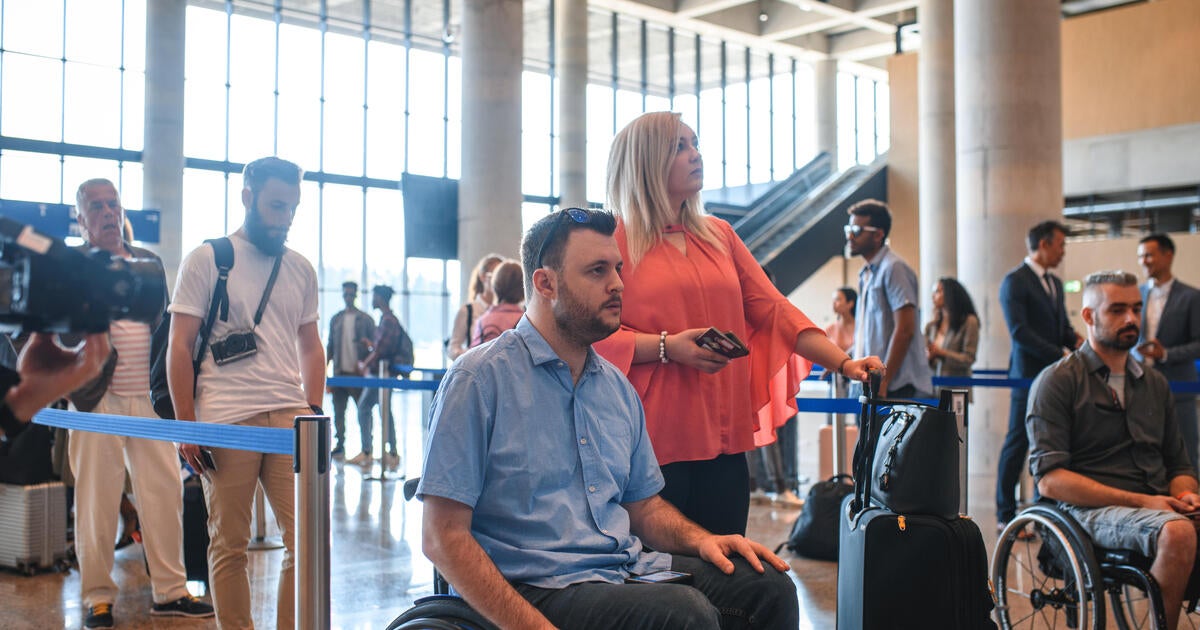
Airlines Consider Easing Consumer Protections for Wheelchair Users: A Controversial Shift
As the airline industry continues to grapple with operational challenges and increasing costs, discussions have emerged regarding potential changes to consumer protections for travelers who rely on wheelchairs. This controversial shift has ignited a debate among advocates, policymakers, and the traveling public. The implications of easing protections raise significant concerns about accessibility, rights, and the overall travel experience for wheelchair users.
The Current Landscape of Airline Accessibility
In recent years, airlines have made strides toward improving accessibility for passengers with disabilities. The Air Carrier Access Act (ACAA) mandates that airlines provide equal access to air travel for individuals with disabilities, including those who use wheelchairs. This includes requirements for accessible seating, assistance with boarding, and the proper handling of mobility devices.
However, the reality of air travel for wheelchair users is often fraught with challenges. Reports of damaged wheelchairs, inadequate assistance, and long wait times for necessary support are not uncommon. Despite existing regulations, many travelers express frustration over the inconsistency in how protections are implemented across different airlines.
Proposed Changes to Consumer Protections
Recently, some airlines have proposed easing certain consumer protections, arguing that this could lead to enhanced flexibility and reduced operational costs. The rationale is that by relaxing some regulations, airlines could better manage their resources during peak travel times and improve overall efficiency.
Among the proposed changes are:
- Reducing the number of trained staff available to assist wheelchair users during boarding and deplaning.
- Modifying the requirements for handling and transporting mobility devices, potentially allowing for less stringent protocols.
- Implementing stricter limitations on pre-boarding priority for passengers with disabilities.
The Concerns of Advocates
Advocates for disability rights are alarmed by these potential shifts in policy. They argue that easing consumer protections for wheelchair users could lead to a significant decline in accessibility and safety. Key concerns include:
- Increased Risk of Damage: Wheelchairs are often expensive and specially tailored to individual needs. Easing protections could lead to a higher incidence of damaged or lost mobility devices.
- Compromised Assistance: Reducing the number of trained staff could result in inadequate support for travelers who require assistance during boarding and deplaning, leading to a stressful and potentially dangerous experience.
- Discrimination and Inequality: Advocates fear that these changes may disproportionately affect individuals with disabilities, further entrenching systemic inequalities in air travel.
Personal Experiences Highlighting the Challenges
Many wheelchair users have shared their personal experiences, which underscore the importance of maintaining robust consumer protections. One traveler recounted a harrowing experience of arriving at their destination only to find their wheelchair severely damaged. The lack of accountability and support from the airline left them feeling vulnerable and marginalized.
Another individual described the anxiety of traveling solo, reliant on airline staff for assistance. “When I travel, the anxiety of whether I’ll receive the help I need is always there. If they reduce protections, it’s hard to imagine how I’ll manage,” they stated.
Balancing Operational Needs and Consumer Rights
As airlines navigate the complexities of operational efficiency and customer service, a balance must be struck. While it’s crucial for airlines to remain profitable and responsive to market demands, it’s equally important not to compromise the rights and safety of travelers with disabilities.
Industry experts suggest that instead of easing consumer protections, airlines should focus on improving training for staff and enhancing communication with passengers who have disabilities. Implementing technology solutions, such as real-time tracking of mobility devices, could also mitigate some of the risks associated with air travel for wheelchair users.
Potential Legislative Responses
The discussion surrounding consumer protections for wheelchair users is also prompting conversations in legislative circles. Lawmakers are being urged to reaffirm their commitment to the ACAA and consider additional protections that address the unique needs of travelers with disabilities. Potential legislative actions include:
- Establishing clearer guidelines for the handling of mobility devices.
- Implementing stricter penalties for airlines that fail to provide adequate assistance.
- Encouraging transparency in reporting incidents related to accessibility and consumer protections.
Looking Ahead: A Call for Inclusive Practices
The conversation around easing consumer protections for wheelchair users is an urgent one that requires careful consideration. While the airline industry faces numerous pressures, it is imperative that the needs and rights of all travelers, particularly those with disabilities, remain a priority.
Advocates are calling for inclusive practices that not only comply with existing regulations but also exceed them in the pursuit of a more accessible travel experience. This involves engaging with disability rights organizations, listening to the voices of those directly affected, and fostering an environment where every traveler feels respected and valued.
Conclusion: The Path Forward
As the airline industry contemplates potential changes to consumer protections for wheelchair users, the stakes are high. The outcome of this debate will shape the future of air travel accessibility, impacting countless individuals who rely on wheelchairs for mobility. It is essential that all stakeholders, including airlines, advocates, and policymakers, come together to ensure that the rights of travelers with disabilities are upheld and enhanced.
In the end, the goal should not solely be about operational efficiency; it should be about creating a travel environment that is welcoming, safe, and accessible for everyone. The voices of wheelchair users must be at the forefront of this ongoing discussion, guiding the industry toward a more inclusive future.
See more BBC Travel World


