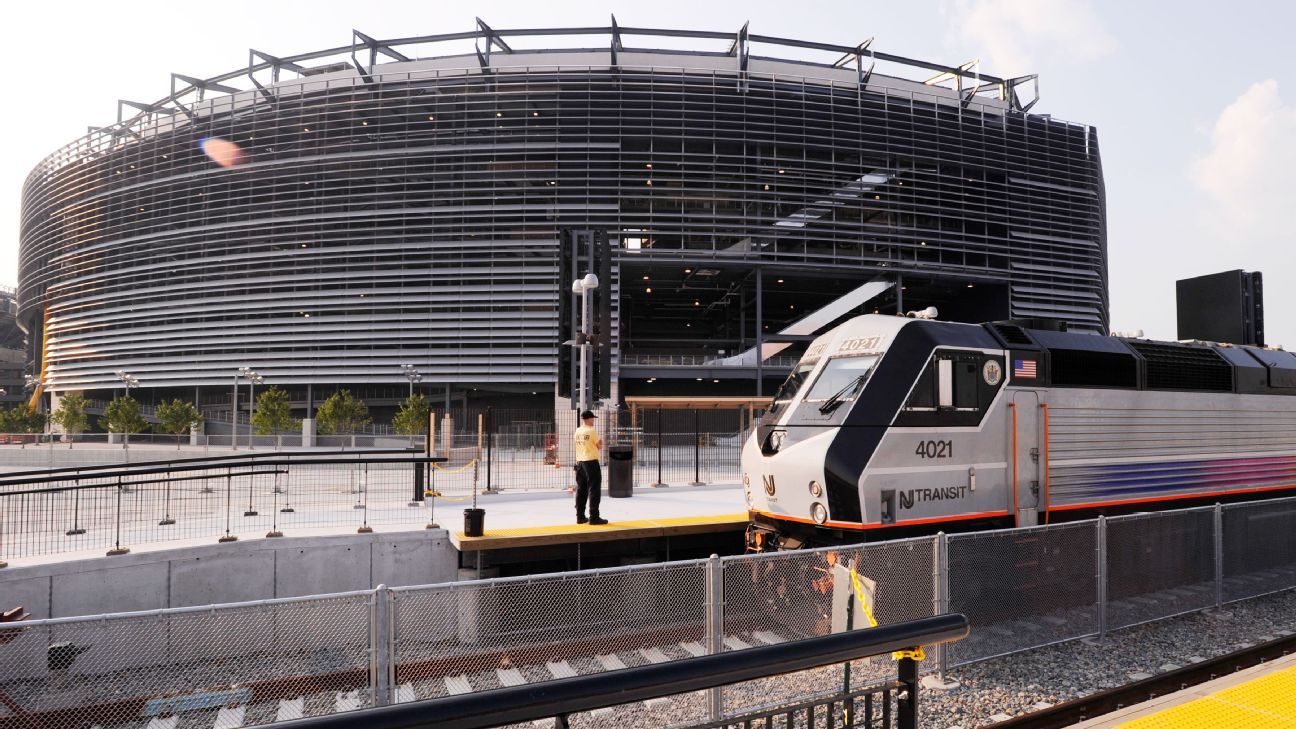
Amtrak’s Northeast Corridor Gears Up for World Cup Rush in 2026
As the anticipation for the 2026 FIFA World Cup builds, Amtrak’s Northeast Corridor is preparing for an influx of travel demand that could redefine the landscape of rail travel in the United States. With millions of fans expected to flock to various host cities across the country, the railway system is not only gearing up to accommodate this surge but is also strategically enhancing its services and infrastructure.
The Surge in Travel Demand
The 2026 World Cup, co-hosted by the United States, Canada, and Mexico, is set to attract a diverse crowd of international travelers and local fans alike. The Northeast Corridor, which stretches from Boston to Washington, D.C., is expected to experience significant increases in ridership. According to Amtrak’s projections, travel demand could surge by as much as 30% during the tournament weeks.
Infrastructure Enhancements
In response to this anticipated demand, Amtrak is investing heavily in infrastructure upgrades. Key initiatives include:
- Increased Train Frequencies: Amtrak plans to increase the frequency of its Northeast Regional and Acela Express services, providing more options for fans traveling to matches.
- Station Improvements: Major stations, including those in Philadelphia, New York City, and Washington, D.C., are undergoing renovations to improve passenger flow and amenities.
- Technology Upgrades: Enhanced ticketing systems and real-time travel updates will be implemented to streamline the travel experience.
Economic Impacts
The economic implications of the World Cup extend beyond transportation. The influx of visitors is expected to boost local economies throughout the Northeast Corridor. Hotels, restaurants, and local attractions are poised to benefit significantly from the increased foot traffic. According to a report by the U.S. Travel Association, every visitor to the region contributes approximately $1,000 to the local economy, emphasizing the potential for substantial financial gains.
Challenges Ahead
While the preparations are underway, Amtrak and local governments face numerous challenges. The ongoing impacts of the COVID-19 pandemic have altered travel behaviors and expectations, and ensuring the safety of passengers remains a top priority. Additionally, increasing congestion on rail lines and in urban centers poses logistical challenges that require innovative solutions.
Environmental Considerations
As Amtrak enhances its services, environmental sustainability remains a critical focus. The railway system is committed to reducing its carbon footprint and promoting public transportation as a greener alternative to air travel. By positioning itself as an eco-friendly option for World Cup attendees, Amtrak could capitalize on the growing trend of environmentally conscious travel.
Future Outlook
The 2026 World Cup presents a unique opportunity for Amtrak to showcase its capabilities while also setting the stage for future advancements in rail travel. As the landscape of transportation continues to evolve, the lessons learned from this event will undoubtedly influence Amtrak’s long-term strategies. The focus on efficiency, customer service, and sustainability could position Amtrak as a leader in the transportation sector.
Conclusion
As the countdown to the World Cup begins, Amtrak’s Northeast Corridor is not just preparing for a rush of fans; it is embarking on a transformative journey that could redefine rail travel in America. With significant investments in infrastructure, a focus on sustainability, and a commitment to enhancing the passenger experience, Amtrak is poised to play a pivotal role in one of the world’s most celebrated sporting events.
See more BBC Travel World


