Unearthed Treasures: Unfinished Sculptures from an Ancient Greek Workshop
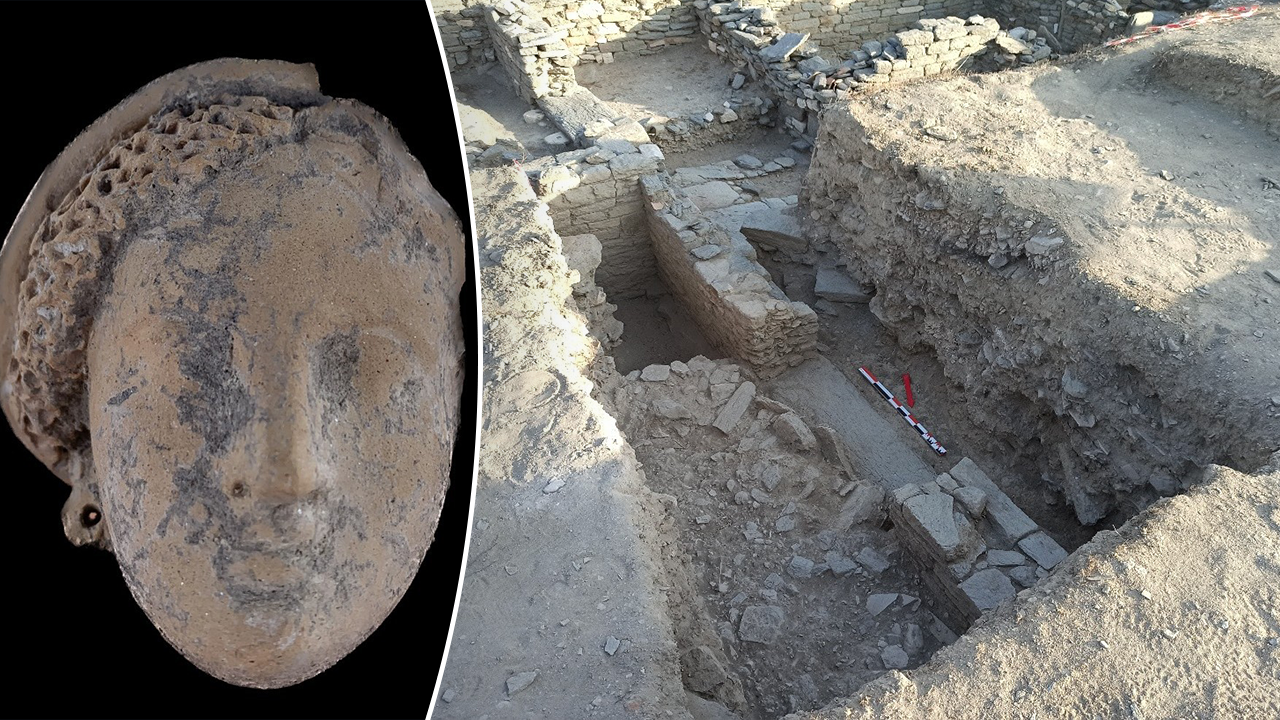
In a groundbreaking archaeological find, experts have uncovered an ancient workshop on the Greek island of Naxos, revealing a treasure trove of unfinished sculptures that provide a unique insight into the artistic processes of antiquity. This remarkable discovery not only sheds light on the techniques of ancient sculptors but also deepens our understanding of the cultural and historical context of the period.
The Discovery
The excavation site, located near the ancient city of Chora, was initially unearthed by a team of archaeologists led by Dr. Elena Papadopoulos from the University of Athens. The workshop, believed to date back to the 5th century BC, comprises a series of stone blocks, partially carved sculptures, and various tools used in the sculpting process.
Significance of Unfinished Works
Unfinished sculptures are rare in the archaeological record, making this find particularly significant. Dr. Papadopoulos explained, “These works provide an unprecedented look at the artistic process, revealing not just the final product but also the challenges and decisions faced by sculptors.” The site offers a glimpse into the everyday activities of artists, showcasing the evolution of their techniques and the materials they used.
Artistic Techniques Revealed
Among the artifacts uncovered were several large blocks of marble, with various stages of carving visible. Some sculptures depict mythological figures, while others appear to represent everyday life. The unfinished state of these sculptures suggests they may have been abandoned due to changing artistic trends or economic factors.
- Carving Tools: Various tools were found alongside the sculptures, including chisels and hammers made from iron and bronze.
- Material Analysis: The marble used in the sculptures is characteristic of the Naxian quarries, noted for its fine grain and quality.
- Workshops: Evidence suggests that this workshop was part of a larger network of artistic production on the island.
Cultural Context
The discovery of the workshop also provides insights into the socio-economic conditions of ancient Naxos. Historical records indicate that during the 5th century BC, Naxos was a flourishing center for arts and trade, heavily influenced by nearby Athens.
“The presence of unfinished sculptures indicates a thriving artistic community,” said Dr. Papadopoulos. “These artists were likely commissioned for public monuments, private collections, and religious artifacts.” The findings suggest that local workshops collaborated with larger centers, facilitating the exchange of ideas and techniques.
Implications for Future Research
This discovery opens new avenues for research into ancient Greek art and the economic conditions that supported it. The unfinished sculptures will undergo further analysis, including techniques such as 3D scanning and material studies, to provide deeper insights into their creation.
Public Interest and Preservation Efforts
The unearthed treasures have generated significant public interest, with local authorities planning to create a dedicated exhibition at the Naxos Archaeological Museum. “We want to ensure that these findings are preserved for future generations,” said local mayor Maria Kouroupi.
In addition to preservation efforts, educational programs are being developed to engage the community and tourists alike, aiming to enhance awareness of Naxos’s rich cultural heritage.
Conclusion
The discovery of the ancient workshop filled with unfinished sculptures is a remarkable testament to the artistic endeavors of ancient Greece. As archaeologists continue to analyze the site, the insights gained from this find will undoubtedly enrich our understanding of the art, culture, and daily life during this fascinating period in history.
As the story of these unfinished masterpieces unfolds, it reminds us of the enduring legacy of ancient artisans and their profound impact on the world of art.
See more BBC Travel World


