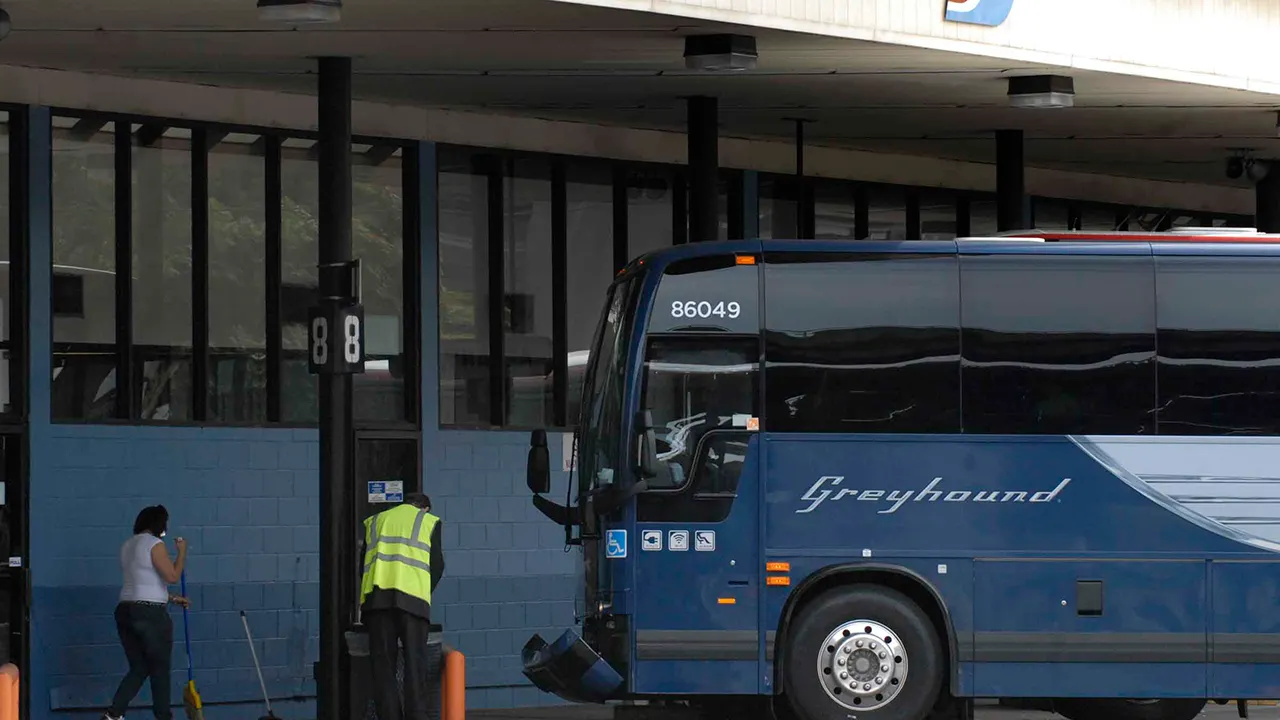
Exploring the Rise of Bus Travel: A Growing Alternative to Air Travel
As air travel faces increasing scrutiny and challenges, bus travel is experiencing a remarkable surge in popularity. This shift reflects a changing landscape in transportation preferences, driven by affordability, sustainability, and convenience. With rising ticket prices, environmental concerns, and the impact of global events, more travelers are turning to buses as a viable option for their journeys. In this article, we will delve into the factors contributing to the rise of bus travel, compare it with air travel, and explore its implications for the future of transportation.
Affordability: A Key Driver of Bus Travel’s Popularity
One of the most significant advantages of bus travel is its cost-effectiveness. With airfares soaring due to fluctuating fuel prices, increased demand, and additional fees, many travelers find that taking the bus is a more budget-friendly option. For example, a trip from Los Angeles to San Francisco can cost less than $50 by bus, while flights may range from $100 to $300, especially when factoring in baggage fees and airport transfers.
- Affordable fares: Bus companies often provide competitive prices, making it easier for budget-conscious travelers to explore new destinations.
- Flexible ticketing: Many bus services allow last-minute bookings and offer discounts for early purchases, adding to their appeal.
In addition to low fares, bus travel can also save money on hidden costs associated with air travel, such as parking fees at airports or transportation to and from the terminal. For many, the overall savings make bus travel not just a choice, but a necessity.
Sustainability: The Eco-Friendly Choice
As environmental awareness grows, travelers are increasingly seeking sustainable transportation options. Bus travel is often touted as one of the greenest modes of transport. Buses produce significantly less carbon dioxide per passenger mile compared to planes and cars, making them an attractive choice for eco-conscious individuals.
- Lower carbon footprint: Buses can carry many passengers at once, leading to reduced emissions per individual.
- Encouraging public transport: Increased bus ridership supports the development of more efficient public transit systems, further decreasing environmental impact.
With climate change and environmental degradation at the forefront of public discourse, the push for sustainable travel options is more critical than ever. Bus travel presents a practical solution that allows travelers to reduce their environmental impact while still reaching their destinations.
Convenience: The Comfort of Bus Travel
Another factor contributing to the rise of bus travel is the convenience it offers. Modern buses are equipped with amenities that enhance the travel experience, including:
- Wi-Fi and charging ports: Many bus companies now provide free Wi-Fi and power outlets, allowing passengers to stay connected during their journey.
- Comfortable seating: Today’s buses feature ergonomic seats with ample legroom, making long journeys more bearable.
- Direct routes: Buses often provide direct services that eliminate the need for layovers or transfers, streamlining the travel experience.
Moreover, bus stations are often more centrally located than airports, making it easier for travelers to access their starting points and final destinations. This accessibility can save time and reduce stress, especially for those traveling with family or heavy luggage.
Changing Travel Behavior Amid Global Events
The COVID-19 pandemic has significantly altered travel behaviors across the globe. While air travel came to a near halt, bus travel remained more resilient, adapting to new health and safety protocols. Many bus companies implemented rigorous cleaning measures, social distancing guidelines, and contactless payment options. As travelers sought safer alternatives, buses became an appealing choice.
As restrictions eased, the resurgence of bus travel became evident. Many travelers—especially those hesitant to board crowded planes—opted for the bus, finding it a safer and more controlled environment. Additionally, as businesses shift towards remote work arrangements, more individuals are exploring local and regional destinations, further boosting bus travel.
Technological Advancements in Bus Travel
Technology has also played a pivotal role in the transformation of bus travel. The integration of mobile apps that allow for easy booking, real-time tracking, and customer service has made bus travel more user-friendly. Passengers can now plan their trips more efficiently, compare prices, and read reviews, enhancing their overall experience.
- Mobile ticketing: Purchasing tickets via smartphone apps reduces the hassle of physical tickets and speeds up the boarding process.
- Real-time updates: Passengers can receive notifications about delays, allowing them to adjust their plans accordingly.
These advancements have not only improved the convenience of bus travel but have also attracted a younger demographic that values technology and seamless travel experiences.
Challenges and Opportunities Ahead
Despite its growth, bus travel still faces challenges that need to be addressed to maintain momentum. Key issues include:
- Infrastructure: Many regions lack the necessary infrastructure to support increased bus traffic, leading to overcrowded stations and limited services.
- Competition: While bus travel is on the rise, it competes with a multitude of other transportation options, including rideshares, trains, and even electric scooters.
However, these challenges also present opportunities. Investment in infrastructure, such as dedicated bus lanes and improved terminals, could further enhance the appeal of bus travel. Collaborations between bus companies and local governments may lead to innovative solutions that prioritize public transport.
The Future of Bus Travel
As we look to the future, the rise of bus travel represents a significant shift in how we perceive transportation. The combination of affordability, sustainability, and convenience positions buses as a strong alternative to air travel. As travelers increasingly prioritize their budgets and the environment, bus travel is likely to continue its upward trajectory.
In conclusion, the resurgence of bus travel amid the challenges faced by the aviation sector highlights a broader trend towards re-evaluating transportation choices. With ongoing advancements and a growing emphasis on sustainable practices, the future of bus travel appears promising. Travelers seeking affordable, eco-friendly, and convenient options will find that buses are not just a fallback but a preferred mode of transport for their journeys.
See more BBC Travel World


