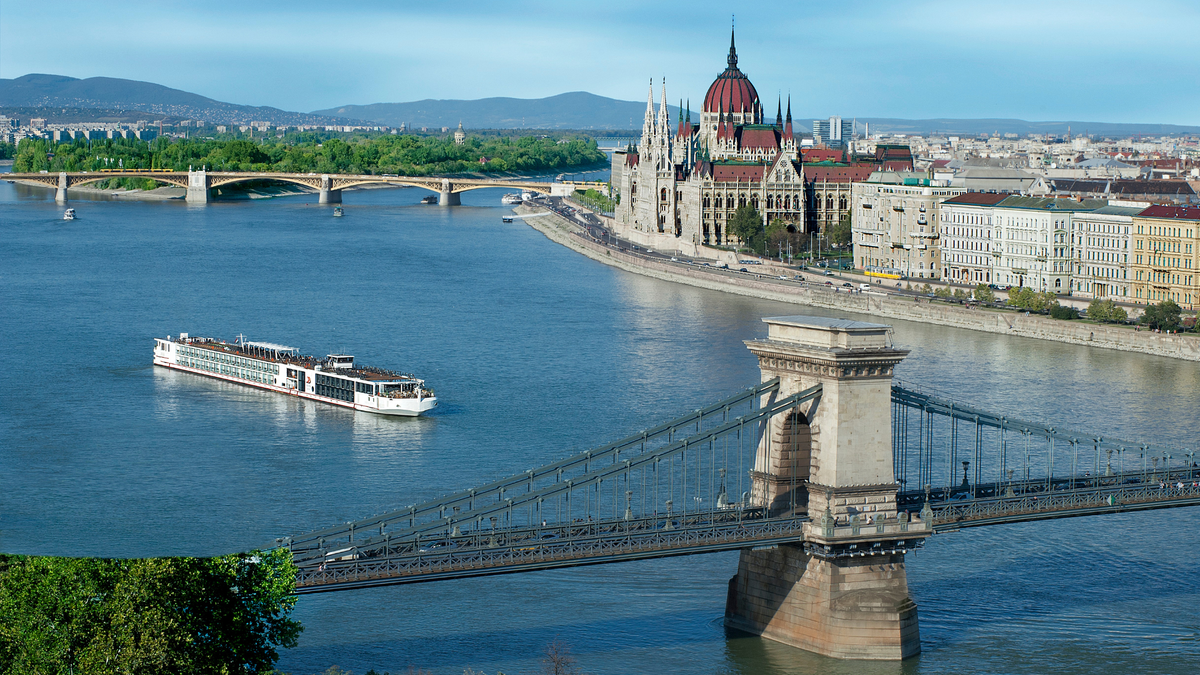
Discovering the Enchantment of the Danube: A Unique Off-Season Cruise Experience
As summer crowds dissipate, the Danube River reveals a quieter, more intimate charm during the off-season. From October to March, travelers can explore Europe’s second-longest river aboard uncrowded ships, enjoying serene landscapes, cultural treasures, and lower prices. This unconventional timing offers a fresh perspective on iconic destinations like Vienna, Budapest, and Bratislava, blending tranquility with adventure.
Why Choose an Off-Season Danube Cruise?
While peak season (May-September) draws millions, the off-season presents distinct advantages. According to the Danube Commission, river cruise traffic drops by nearly 60% post-summer, creating a more relaxed atmosphere. “The absence of crowds lets travelers connect deeply with the region’s history and natural beauty,” says maritime historian Claudia Weber. “Winter’s misty mornings and festive markets add a magical layer to the experience.”
Key benefits include:
- Cost savings: Fares can be 30-50% lower, with included perks like cabin upgrades.
- Authentic interactions: Locals have more time to engage, enhancing cultural immersion.
- Unique scenery: Snow-dusted castles and frost-kissed vineyards transform the landscape.
Hidden Gems Along the Winter Danube
Beyond marquee cities, lesser-known stops shine in the off-season. Passau, Germany—where the Danube meets two other rivers—boasts Baroque architecture and cozy cafés. Meanwhile, Serbia’s Golubac Fortress, shrouded in winter fog, feels straight out of a fairy tale. “These sites are often overlooked in summer but become highlights without the rush,” notes travel expert Marko Ristic.
Seasonal activities further enrich the journey:
- Budapest’s thermal baths, like Széchenyi, offer steaming outdoor pools amid chilly air.
- Vienna’s Christmas markets (mid-November to December) dazzle with handcrafted gifts and mulled wine.
- Wachau Valley’s wineries host intimate tastings of Grüner Veltliner, a crisp local white.
While colder temperatures deter some, modern ships cater to comfort. Most vessels feature heated lounges, indoor pools, and panoramic windows for uninterrupted views. Packing layers is advised, as daytime highs average 5-10°C (41-50°F), dipping lower at night. Though rare, ice can delay routes in January-February; operators like AmaWaterways and Viking Cruises adjust itineraries proactively.
Data from the European River Cruise Association shows that 85% of off-season sailings proceed without disruption, thanks to advanced navigation systems. “Guests trade swimsuits for scarves but gain unparalleled access to landmarks,” says cruise director Sophie Laurent.
The Future of Off-Season River Tourism
As sustainable travel gains momentum, off-season cruising aligns with efforts to reduce overtourism. Cities like Linz, Austria, now promote winter visits with events such as the Ars Electronica Festival. Meanwhile, cruise lines are expanding November-March departures by 20% over the past five years, per industry reports.
Looking ahead, experts predict a surge in demand for these quieter, eco-conscious journeys. “Travelers increasingly value authenticity over Instagram crowds,” says Weber. “The Danube’s off-season allure is just beginning to be recognized.”
Plan Your Unforgettable Escape
For those seeking a blend of solitude and discovery, the Danube’s off-season promises an enchanting alternative. Whether sipping hot wine under Budapest’s twinkling lights or tracing the footsteps of Habsburg emperors in near-empty palaces, this experience redefines river cruising. Ready to embark? Explore 2024 itineraries with trusted operators to secure early-bird deals.
See more BBC Travel World


