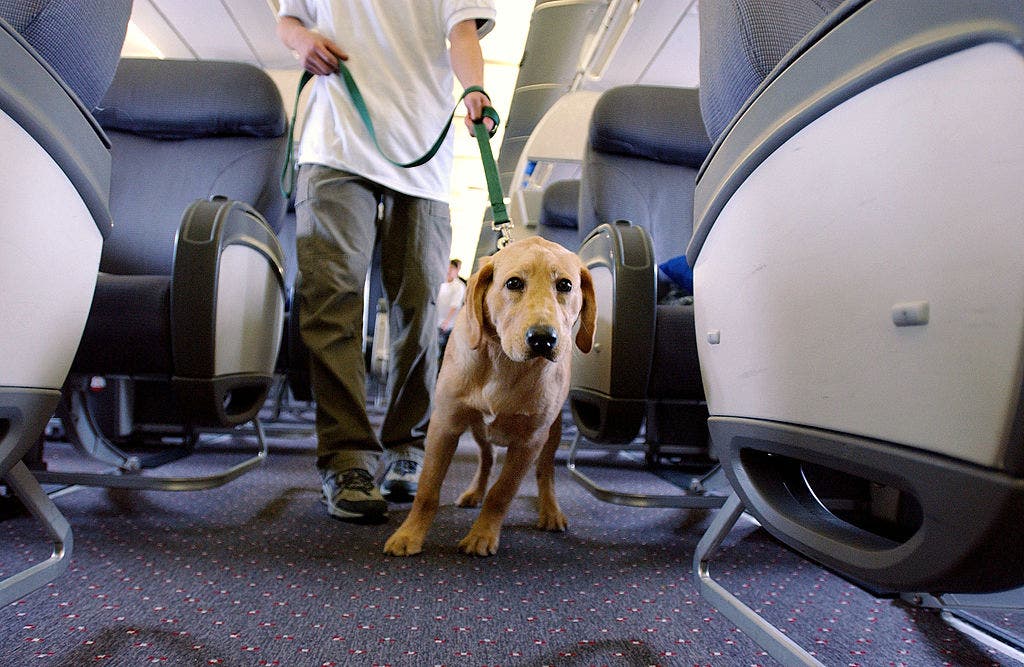
Barking Controversy: The In-flight Dog Debate That Captivated Travelers
In a world where air travel has become both a necessity and a luxury, the dynamics of passenger experience can often turn into a heated debate. Recently, an 8-hour flight transformed into a battleground of opinions when a passenger claimed that a dog barked incessantly throughout the journey. This incident has not only sparked discussions among those who witnessed the event but has also ignited a broader conversation about pet policies on airplanes and the overall experiences of travelers.
The Incident That Sparked a Debate
On a long-haul flight from New York to London, tensions flared when a traveler voiced their displeasure about a barking dog in the cabin. While many passengers are accustomed to the occasional whimper or bark from an emotional support animal, this particular case was described as incessant and disruptive. The passenger’s complaints soon caught the attention of flight attendants, who found themselves in a difficult position, balancing the needs of a distressed traveler against the rights of another who brought their pet aboard.
This incident has raised several questions about the growing presence of dogs in airplane cabins and the implications for passenger comfort and safety:
- What are the airline policies regarding pets and emotional support animals?
- How do fellow passengers feel about flying with dogs in close quarters?
- What rights do travelers have when it comes to noise disturbances during flights?
The Growing Trend of Pets in the Air
In recent years, airlines have adapted their policies to allow more pets onboard. This trend can be attributed to a few factors:
- Emotional Support and Therapy: Many individuals rely on their pets for emotional support, especially during stressful activities like flying.
- Changing Attitudes: Society has become more accepting of animals in public spaces, and many people view their pets as family members.
- Market Demand: Airlines have recognized that pet-friendly policies can attract more customers, as many travelers prefer to fly with their pets rather than leave them behind.
However, the increasing acceptance of pets in airplanes is not without its challenges. While some passengers appreciate the presence of furry companions, others find it intrusive, especially during long flights. This dichotomy of opinion highlights an important aspect of air travel—how to balance pet policies with passenger comfort.
Passenger Experiences: The Good, the Bad, and the Barking
The experiences of travelers regarding pets on planes can vary widely. Some passengers view flying with dogs as a positive experience, while others express frustration. Here are a few perspectives:
The Positive Side
Many travelers who bring their dogs onboard report a sense of comfort and companionship. The presence of a well-behaved dog can create a more relaxed atmosphere. For instance:
- A frequent flyer noted that having her emotional support dog helped reduce her anxiety during flights, making the journey more enjoyable.
- Another passenger shared how a friendly dog sitting in the adjacent seat sparked conversations and camaraderie among fellow travelers.
The Negative Side
On the flip side, there are numerous accounts of disruptive pet behavior. As highlighted in the barking controversy, many passengers have had negative experiences:
- Some reported being unable to sleep due to barking or whining, which can be particularly frustrating on long-haul flights.
- Others expressed concern regarding allergies and the cleanliness of the cabin when pets are allowed.
Airline Policies on Pets: A Closer Look
Airline policies regarding pets vary widely, and understanding these guidelines is essential for travelers. Here’s a brief overview of what to expect:
- Carry-On Pets: Most airlines allow small pets to travel in the cabin as long as they fit in an approved carrier that fits under the seat. There’s often a fee associated with this service.
- Emotional Support Animals: Some airlines have specific policies for emotional support animals, but these regulations have been tightening recently, requiring documentation from mental health professionals.
- Service Animals: Under the Americans with Disabilities Act (ADA), trained service animals (typically dogs) are allowed in the cabin at no additional charge.
It’s crucial for travelers to check the specific airline’s pet policy before booking a flight to avoid any surprises at the airport.
Potential Solutions to the Barking Controversy
To address the growing concerns surrounding pets in the cabin, airlines and passengers can consider a few potential solutions:
- Improved Training for Emotional Support Animals: Airlines could implement stricter guidelines for the training and behavior of emotional support animals to minimize disturbances.
- Designated Pet-Friendly Sections: Some airlines have experimented with pet-friendly zones to contain the animals and mitigate disturbances for other passengers.
- Clear Communication: Airlines could enhance communication about policies and expectations regarding pet behavior during flights, ensuring all passengers are aware of their rights and responsibilities.
The Bottom Line
The barking controversy that unfolded during a recent flight highlights the complex dynamics of traveling with pets. While many travelers appreciate the companionship of their dogs, others find the presence of barking animals disruptive. As the trend of flying with pets continues to grow, it’s essential for both airlines and passengers to engage in open dialogue about expectations and experiences.
Ultimately, finding a balance that respects the rights and comfort of all travelers will be key to navigating the barking controversy and ensuring that air travel remains an enjoyable experience for everyone. As we move forward, it’s clear that the conversation around pets in the air is far from over, and it will take cooperation and understanding from all parties involved to find a harmonious solution.
See more BBC Travel World


