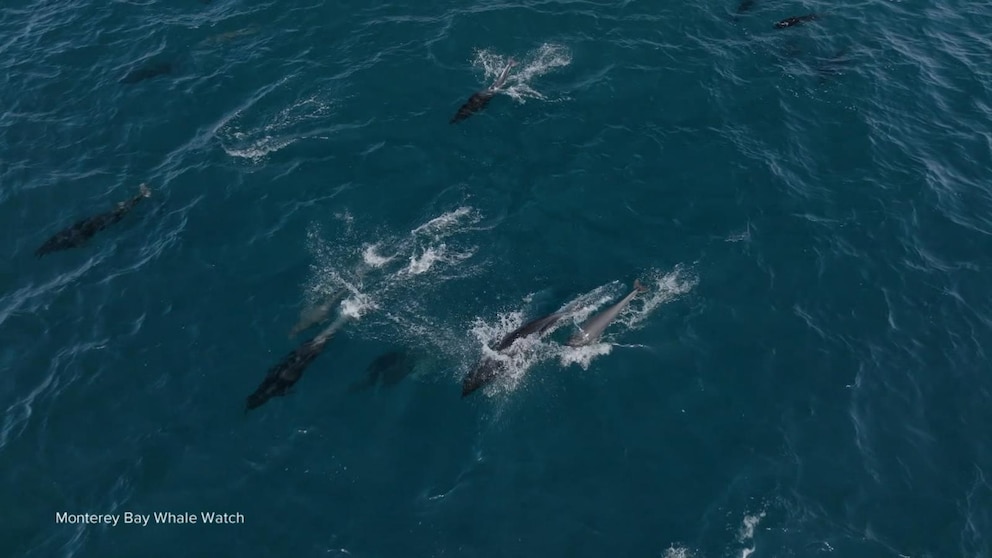
Spectacle of the Sea: A Dolphin Extravaganza in Monterey Bay
Every year, off the stunning coast of California, nature unveils one of its most enchanting shows: the spectacle of the sea, where thousands of dolphins grace Monterey Bay. This breathtaking phenomenon has become a beacon for marine enthusiasts, casual observers, and photographers alike. The sight of these intelligent creatures swimming in unison not only captivates the heart but also offers a unique opportunity to witness the beauty of marine life in its natural habitat.
The Magnificence of Monterey Bay
Monterey Bay, a part of the larger Monterey Bay National Marine Sanctuary, is renowned for its rich biodiversity and stunning coastal scenery. This marine sanctuary is home to a variety of species, including sea otters, whales, seals, and, of course, dolphins. The area’s unique underwater topography, combined with nutrient-rich upwellings from the ocean floor, creates an ecologically vibrant environment, making it a prime feeding ground for marine life.
The spectacle of the sea showcases several dolphin species, with the most prominent being the Pacific white-sided dolphin, the bottlenose dolphin, and the common dolphin. These dolphins are known for their playful nature, acrobatics, and social behavior, making them a favorite among wildlife watchers.
What Causes This Phenomenon?
The gathering of thousands of dolphins, often referred to as a “super pod,” can be attributed to several factors:
- Feeding Frenzy: The dolphins are often drawn to areas abundant in food, such as schools of fish and squid. These massive gatherings can occur when an upwelling of nutrient-rich waters attracts prey.
- Social Structures: Dolphins are inherently social creatures. Their tendency to form large pods is partly due to their complex social structures. They communicate through clicks and whistles, coordinating their movements and hunting strategies.
- Migration Patterns: Seasonal changes and migration patterns of their prey can also result in large congregations of dolphins in specific areas, particularly in the spring and summer months when food is plentiful.
The Experience of Witnessing the Spectacle
For those fortunate enough to witness the spectacle of the sea in Monterey Bay, the experience is nothing short of magical. Imagine setting sail on a bright, sunny day, the salty breeze in your hair, as you head out into the open ocean. As you approach the gathering, the excitement builds. Suddenly, the surface of the water erupts into life; dolphins leap gracefully, gliding and spinning through the air.
Many tour operators offer dolphin-watching excursions, providing a closer look at these spectacular animals. These tours typically run during the spring and summer months, aligning with the peak times for dolphin activity in the bay. Onboard, experienced naturalists share insights about the dolphins’ behavior, habitat, and the ecological significance of Monterey Bay.
Conservation Efforts and Challenges
While the spectacle of the sea is a remarkable sight, it also serves as a reminder of the challenges facing marine life. Conservationists are actively working to protect the delicate ecosystems of Monterey Bay. This includes:
- Reducing Pollution: Efforts to decrease marine pollution are critical. Programs aimed at reducing plastic waste and runoff from land help maintain the health of the marine ecosystem.
- Research and Monitoring: Ongoing research initiatives focus on understanding dolphin populations, migration patterns, and their interactions with the environment. This data is vital for creating effective conservation strategies.
- Legislation: Protecting marine life through legislation, such as the Marine Mammal Protection Act, ensures that these species receive the necessary legal protection from hunting and habitat destruction.
By engaging in responsible tourism and supporting conservation efforts, visitors can help protect the mesmerizing spectacle of the sea for future generations.
Personal Reflections from Dolphin Encounters
Having taken several trips to Monterey Bay myself, I can attest to the profound impact that witnessing these dolphins has had on my perspective of marine life. The sheer joy of watching them leap and play is a humbling reminder of the beauty and complexity of nature. Each encounter is unique; the dolphins exhibit different behaviors, and their interactions can vary widely from one pod to another. It’s a vivid illustration of their intelligence and social nature.
One of my most cherished experiences occurred during an early morning tour. As the boat drifted quietly, a pod of dolphins began to swim alongside us, riding the waves created by the boat. Their playful antics—jumping and diving in unison—created a sense of camaraderie among the passengers. Conversations faded into awed silence as we collectively appreciated the grace and wonder of these magnificent creatures.
Planning Your Visit to Monterey Bay
If you’re considering experiencing this spectacle of the sea, here are some tips to enhance your visit:
- Best Time to Visit: The peak season for dolphin sightings is typically from late spring to early fall. However, dolphins can be seen year-round.
- Choose the Right Tour: Research various tour operators. Look for those that prioritize eco-friendly practices and have knowledgeable guides.
- Bring the Right Gear: Dress in layers, as ocean breezes can be chilly. A good pair of binoculars and a camera with a zoom lens can enhance your experience.
Conclusion: Embracing the Beauty of Nature
The spectacle of the sea is more than just a visual feast; it is a reminder of the incredible life that exists beneath the waves. As thousands of dolphins grace the waters of Monterey Bay, they invite us to pause, reflect, and appreciate the wonders of our natural world. By engaging in responsible practices and supporting conservation efforts, we can ensure that this breathtaking display continues for generations to come. So, whether you are a seasoned marine enthusiast or a casual visitor, the allure of Monterey Bay and its magnificent dolphins is sure to leave an indelible mark on your heart.
See more BBC Travel World


