Unveiling the Mysteries of Egypt’s Western Desert: An Expedition Like No Other
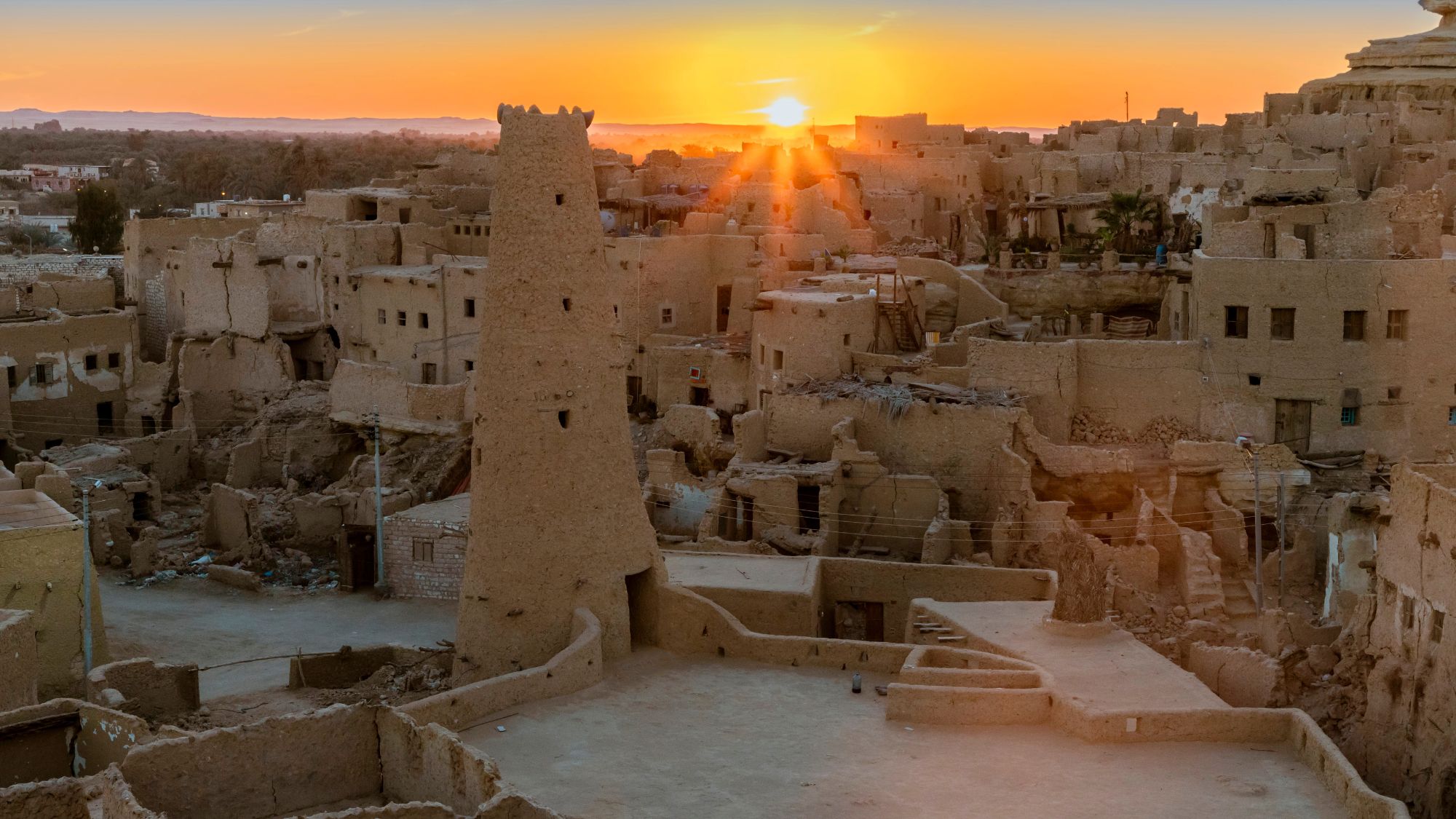
Deep in the heart of North Africa lies Egypt’s Western Desert, a vast expanse of golden dunes, hidden oases, and archaeological treasures waiting to be discovered. This remote region, covering approximately 680,000 square kilometers, offers intrepid travelers and historians alike a chance to explore ancient secrets and breathtaking landscapes. From the surreal White Desert to the enigmatic Siwa Oasis, the Western Desert promises an unforgettable journey through time and nature.
The Geological Wonders of Egypt’s Western Desert
The Western Desert is a geological marvel, shaped by millennia of wind and water erosion. Its most iconic feature, the White Desert National Park, boasts surreal chalk rock formations sculpted into mushroom shapes and towering monoliths. “These formations date back 80 million years to the Cretaceous period,” explains Dr. Samira Khalil, a Cairo University geologist. “They tell a story of ancient seabeds transformed into a lunar-like landscape.”
Other notable natural attractions include:
- The Black Desert, with its volcanic mountains and iron-oxide-covered hills
- The Crystal Mountain, a ridge embedded with quartz crystals
- The Great Sand Sea, home to some of the world’s tallest dunes (reaching 140 meters)
Archaeological Treasures Beneath the Sands
Beyond its natural beauty, the Western Desert holds profound historical significance. Recent excavations have uncovered prehistoric petroglyphs, Roman-era settlements, and even dinosaur fossils. In 2020, archaeologists discovered a 3,000-year-old “golden city” near Luxor’s western edge, rewriting assumptions about New Kingdom urban development.
“Every expedition reveals new clues about Egypt’s lesser-known civilizations,” says renowned archaeologist Dr. Zahi Hawass. “The Western Desert was never just a barren wasteland—it was a crossroads for ancient trade routes and a refuge for early Christian communities.” Key historical sites include:
- The Temple of the Oracle in Siwa, where Alexander the Great sought divine guidance
- Bahariya Oasis’ Valley of the Golden Mummies (discovered in 1996 with 250+ mummies)
- Prehistoric rock art at Uwaynat Mountain depicting giraffes and ostriches
The Living Culture of Desert Communities
Amidst the arid landscape, thriving communities maintain traditions unchanged for centuries. The Siwi people of Siwa Oasis still speak their unique Berber dialect and harvest dates from 300,000 palm trees. Bedouin tribes navigate the desert using ancestral star-reading techniques, while Bahariya’s hot springs continue attracting wellness seekers since Pharaonic times.
“Modernization reaches slowly here,” observes cultural anthropologist Dr. Layla Abdelaziz. “These communities preserve knowledge about sustainable desert living that the world is only now rediscovering.” Visitors can experience this through:
- Traditional salt-making demonstrations in Siwa
- Bedouin-style camping under unparalleled starry skies
- Participating in date harvest festivals each October
Challenges and Conservation Efforts
Despite its remoteness, the Western Desert faces environmental threats. Climate change has reduced annual rainfall to under 10mm in some areas, while unregulated tourism damages fragile ecosystems. However, initiatives like the 2019 Siwa Sustainable Development Project aim to balance preservation with economic growth through:
- Training local guides in eco-tourism practices
- Installing solar panels to reduce generator use
- Digitizing vulnerable archaeological sites
Planning Your Western Desert Adventure
For those inspired to visit, the optimal travel window runs October-April, avoiding extreme summer heat. While independent travel is possible, most experts recommend guided tours for safety and access to restricted areas. Essential preparations include:
- Obtaining proper permits for protected zones
- Packing for temperature extremes (0°C nights to 50°C days)
- Carrying at least 5 liters of water daily per person
The Future of Western Desert Exploration
With only 15% of the Western Desert thoroughly surveyed by archaeologists, future discoveries undoubtedly await. Satellite imaging recently identified 1,700 potential sites of interest, while new fossil beds suggest Africa’s largest dinosaur may have roamed these sands. As technology improves access to remote areas, responsible tourism can support both research and local communities.
For those seeking adventure beyond the pyramids, Egypt’s Western Desert offers a profound connection to both nature and history. As you plan your next journey, consider partnering with reputable eco-tourism operators to ensure this magical landscape endures for generations. The desert’s whispers of ancient secrets await—will you be among those who listen?
See more BBC Travel World


