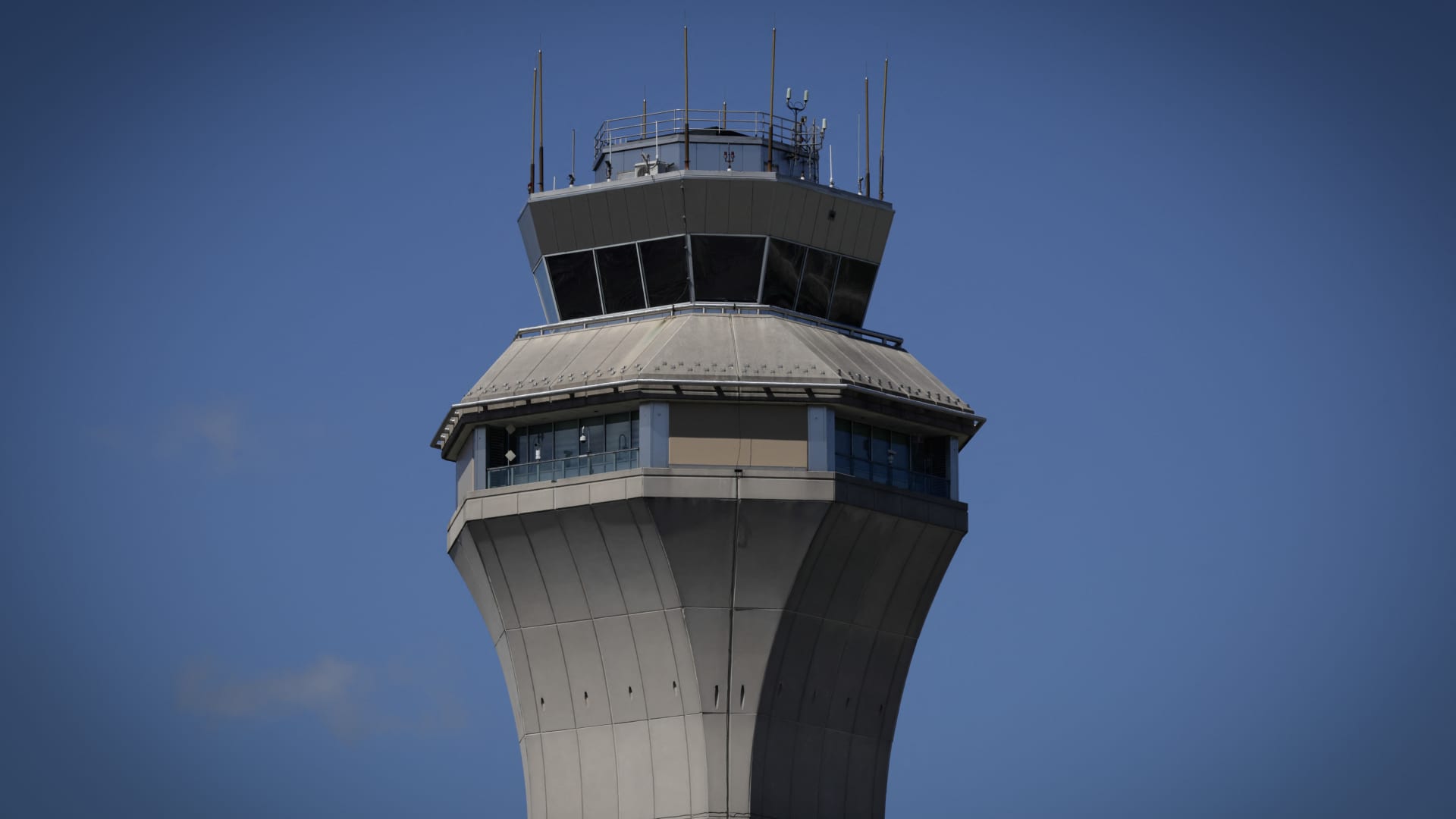
Newark Flight Disruptions Prompt FAA to Consider Operational Reductions
The Federal Aviation Administration (FAA) is evaluating potential reductions in operations at Newark Liberty International Airport (EWR) following months of chronic flight disruptions. With nearly 30% of flights delayed or canceled this summer—the worst performance among major U.S. hubs—regulators aim to ease congestion that has rippled across the national airspace system. A final decision could come by October.
Why Newark Faces Unprecedented Challenges
Newark’s struggles stem from a perfect storm of factors, including:
- Airspace saturation: The airport handles 1,300+ daily flights in airspace shared with JFK and LaGuardia
- Staffing shortages: FAA data shows Newark tower staffing at 78% of ideal levels
- Weather vulnerability: Its northeast location makes it susceptible to seasonal storms
- Infrastructure constraints: Two of three runways intersect, limiting simultaneous operations
“When you combine these structural issues with this year’s 12% surge in travel demand, you get the operational meltdowns we’re seeing,” said aviation analyst Rebecca Torres of the Air Transport Research Group. “The FAA’s proposal is essentially triage for an overtaxed system.”
The Human and Economic Toll of Disruptions
Data from FlightAware reveals Newark’s cascading impacts:
- July 2023 on-time performance: 63.2% (industry average: 76.8%)
- Average delay length: 87 minutes for departing flights
- Estimated passenger economic impact: $14.7 million in lost productivity/month
Frequent traveler Mark Chen described his experience: “Last month, my Newark connection turned into an 18-hour ordeal with two cancellations. The airport feels like it’s operating beyond its breaking point.”
Potential Solutions and Industry Pushback
The FAA is considering two primary approaches:
- Slot reductions: Cutting 10-15% of daily takeoff/landing allocations
- Peak-hour caps: Limiting operations during congested 7-9 AM and 5-7 PM windows
United Airlines, which controls 70% of Newark’s slots, has voiced strong opposition. “Arbitrary cuts would harm consumers without solving root causes,” said VP of Operations David Kim. “We need upgraded systems, not reduced access.”
However, FAA Administrator Mike Whitaker countered: “When an airport consistently fails to meet basic performance metrics, we have a responsibility to intervene for the greater network good.”
Broader Implications for Air Travel
Transportation experts warn Newark’s situation reflects systemic challenges:
- U.S. aviation infrastructure scored D+ in the latest ASCE report card
- FAA modernization programs face $3.3 billion funding shortfall
- NextGen air traffic system deployment lags 8 years behind schedule
“This isn’t just a Newark problem,” emphasized former NTSB investigator Diana Morales. “We’re seeing the consequences of decades of underinvestment meeting post-pandemic demand spikes. Every major hub could face similar scrutiny.”
What Travelers Should Expect Moving Forward
While the FAA’s review continues, passengers can anticipate:
- Potential schedule changes from carriers as early as winter 2023
- Higher fares on remaining Newark flights due to constrained supply
- Increased emphasis on alternative airports like Philadelphia and Stewart
The Port Authority of New York and New Jersey has pledged $2 billion in terminal upgrades, but these won’t address immediate airspace limitations. “Infrastructure improvements take years,” noted aviation attorney Carl Simmons. “Flight reductions may be the only near-term lever available.”
For affected travelers, experts recommend:
- Booking morning flights when possible (historically more reliable)
- Allowing minimum 2-hour connections at Newark
- Considering travel insurance for weather-prone itineraries
As the FAA weighs its options, the Newark situation serves as a case study in balancing capacity constraints with growing travel demand. The coming months will reveal whether operational cuts provide temporary relief or accelerate calls for comprehensive aviation reform. Travelers are advised to monitor FAA announcements and airline communications for updates affecting fall and winter itineraries.
See more BBC Travel World


