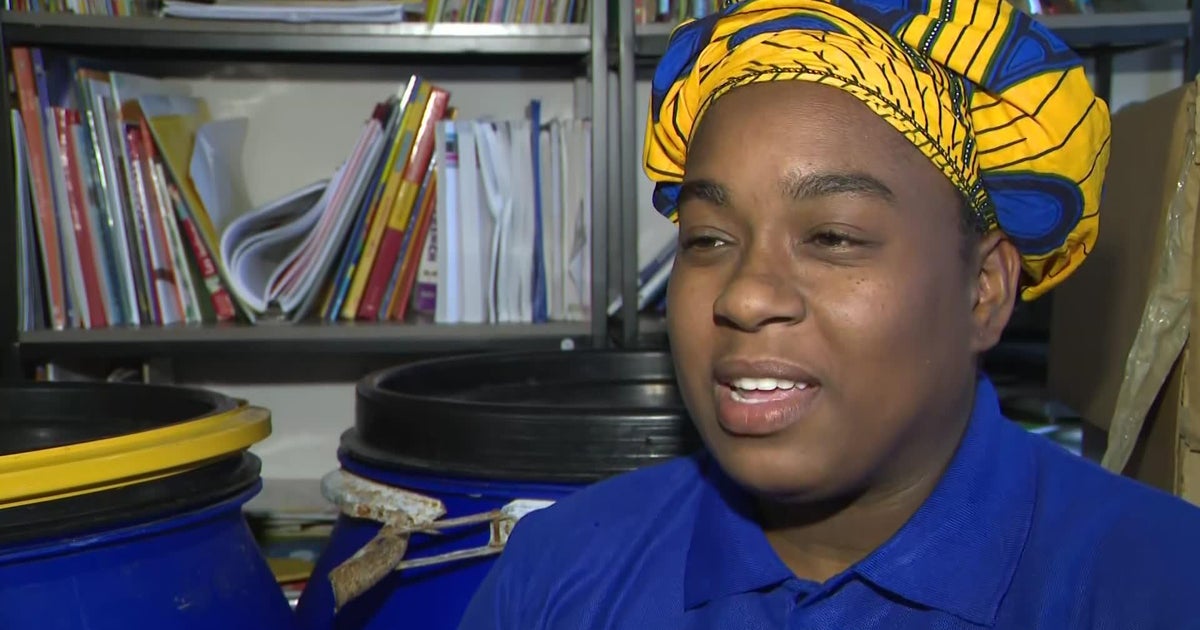
A Bold Move: South Florida Woman Embraces Family Journey to Turbulent Haiti
In a decision that defies conventional wisdom, 34-year-old Miami resident Sophia Laurent is relocating her family to Haiti amid escalating violence and political instability. The mother of three will depart in early July 2024, returning to her ancestral homeland despite State Department warnings and ongoing gang control of 80% of Port-au-Prince. Laurent cites cultural preservation and community rebuilding as her primary motivations for this high-risk transition.
The Pull of Heritage Versus Present Dangers
Laurent’s choice comes as Haiti experiences its worst crisis in decades. According to UN reports from June 2024:
- Over 360,000 people remain internally displaced
- Gang-related violence caused 2,500+ deaths in first half of 2024
- Only 40% of healthcare facilities in the capital remain operational
“This isn’t about ignoring the dangers,” Laurent explained during an emotional interview. “My children speak perfect English but barely any Kreyòl. If we don’t go now, our connection to Haiti disappears forever.” The family will settle in Jacmel, a relatively safer coastal city where Laurent’s elderly parents still reside.
Expert Perspectives on the Risky Transition
Dr. Jean-Philippe Moreau, a Haitian diaspora scholar at University of Florida, offers nuanced analysis: “The Laurent family’s move reflects a growing trend among second-generation immigrants seeking roots. However, the timing presents extraordinary challenges—basic services like electricity average just 4-6 hours daily outside Port-au-Prince.”
Contrasting views emerge from security analysts. “This is borderline reckless,” states former UN peacekeeper Marco Alvarez. “Even ‘safer’ regions face food insecurity affecting 4.9 million Haitians. The Laurents’ U.S. citizenship won’t shield them from systemic collapse.”
Understanding the Motivations Behind the Move
Laurent’s decision stems from multiple factors:
- Cultural Preservation: Documenting oral histories from aging relatives
- Economic Opportunity: Partnering with local artisans to export crafts
- Faith-Based Calling: Joining a Baptist mission group providing medical aid
The family has undergone intensive preparation, including:
- Emergency medical training
- Six months of security briefings
- Establishing multiple evacuation routes
The Reality of Daily Life in Contemporary Haiti
Recent updates from ground sources paint a stark picture:
Fuel prices have surged 300% since January 2024, while the gourde depreciated 45% against the dollar. Most families now spend 80% of income on food alone. Yet Laurent remains undeterred: “We’re not blind to the hardships. But Haitians wake up every day rebuilding—that’s the lesson I want my children to learn.”
Broader Implications for Diaspora Engagement
The Laurent family’s journey coincides with heated debate about diaspora responsibilities during crises. The Haitian Times reports a 22% increase in diaspora visits since 2023, though permanent returns remain rare. Community organizer Marie Thérèse Jean argues: “Sustainable change requires more than brief missions. We need people willing to stay through the storm.”
However, critics highlight potential burdens on local resources. “Well-meaning returnees often underestimate their needs,” warns economist Paul Dumay. “One family might require security that diverts police from vulnerable neighborhoods.”
What the Future Holds
The Laurents have committed to a two-year trial period. They’ll document their experience through a bilingual vlog, providing unprecedented insight into:
- Cross-cultural parenting in crisis zones
- Small-business development amid instability
- Diaspora-local community relations
As gang truce negotiations show fragile progress and Kenya-led security forces deploy, the family’s timing may prove fortuitous or disastrous. Their journey represents either extraordinary courage or tragic miscalculation—only time will tell.
For those interested in supporting ethical diaspora initiatives, the Haitian American Leadership Foundation provides vetted opportunities for meaningful engagement.
See more BBC Travel World


