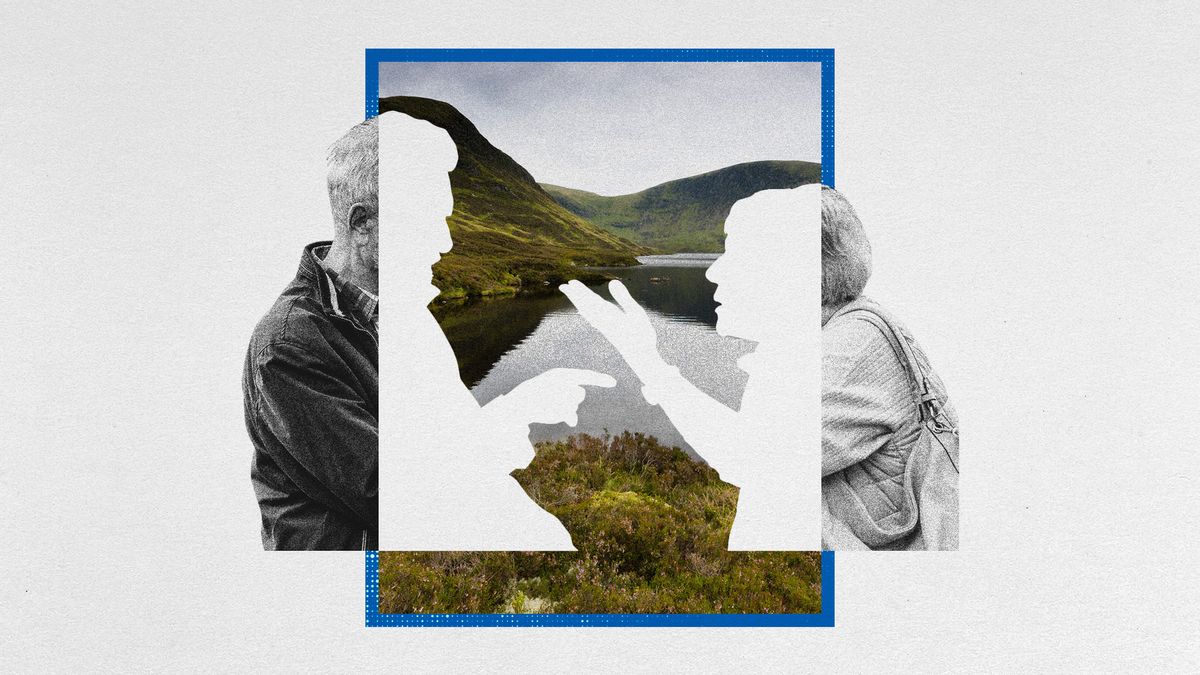
A National Park’s Controversial Impact: Dividing the Heart of Galloway
The proposal for a national park in Galloway has sparked fierce debate among locals, with some claiming it threatens the area’s traditional charm. As community voices clash over the future of this picturesque region, the implications for local culture and economy grow increasingly complex. With its stunning landscapes, rich history, and vibrant communities, Galloway stands at a crossroads that could redefine its identity.
The Background of the Proposal
Galloway, located in southwestern Scotland, is renowned for its breathtaking scenery, including rolling hills, lush forests, and a rugged coastline. The idea of establishing a national park in this area has been floated for years, but recent momentum has brought the proposal to the forefront of community discussions. Advocates claim that a national park could protect the region’s natural beauty and biodiversity, offering enhanced conservation efforts and a boost to tourism.
However, the proposal has also faced substantial opposition. Critics argue that a national park could lead to overregulation, stifling local businesses and diminishing the traditional way of life that many residents cherish. The heart of the matter lies in the divide between conservation needs and the desire to maintain local culture and economy.
The Benefits of a National Park
Proponents of the national park have outlined several potential benefits:
- Conservation Efforts: National parks often come with increased funding and resources dedicated to preserving wildlife and natural habitats. In Galloway, this could mean better protection for its unique ecosystems.
- Boost to Tourism: National parks attract visitors, which can significantly benefit local economies through increased spending in hotels, restaurants, and shops.
- Community Engagement: A national park could foster a sense of community pride and encourage local involvement in environmental stewardship and sustainable practices.
Supporters argue that these benefits could help to secure Galloway’s future while enhancing its appeal as a destination for both locals and visitors alike.
The Challenges and Concerns
On the other side of the debate, opponents of the national park proposal voice serious concerns:
- Loss of Autonomy: Many locals fear that a national park would bring strict regulations that could interfere with agricultural practices, land use, and traditional livelihoods.
- Impact on Local Culture: Some residents worry that an influx of tourists might dilute the unique cultural identity of Galloway, transforming it into a more commercialized area.
- Economic Uncertainty: While tourism may grow, there are concerns that the costs of implementing park regulations could outweigh the potential benefits, particularly for small businesses.
The tension between these opposing viewpoints illustrates the complexity of the situation. Local voices are passionate, and the outcome of this debate could shape the very fabric of Galloway for generations to come.
Community Perspectives
To better understand the divide in Galloway, it’s important to hear from those directly affected by the proposal. Local farmers, business owners, and residents have shared their thoughts:
“The land has been in our family for generations. We fear that a national park will limit what we can do with it,” said a farmer who has lived in the area all his life. Many like him express a deep connection to the land and a desire to preserve their way of life.
Conversely, some younger residents are excited about the possibilities a national park could bring. “I think it could be a fresh start for Galloway,” said a local business owner. “We need to attract more visitors and create jobs, especially for our youth.” This generational divide highlights differing priorities and visions for the future.
The Role of Local Government and Organizations
Local government and community organizations are playing a crucial role in shaping the discussion around the national park. Public consultations have been held to gather feedback and gauge community sentiment. These gatherings have become forums for heated debate but also for potential compromise.
Some organizations advocate for sustainable tourism practices that could benefit both the environment and local businesses. “We believe there’s a way to protect our natural resources while still supporting our community’s economy,” stated a representative from a local conservation group.
Looking Ahead: A Path to Compromise
As the debate continues, finding common ground will be essential. Here are a few potential paths forward:
- Collaborative Planning: Engage local stakeholders in the planning process to ensure their voices are heard and that their concerns are addressed.
- Balanced Regulations: Develop regulations that protect the environment while allowing for traditional practices and economic activities to continue.
- Community Programs: Implement programs that promote local culture and heritage alongside conservation efforts, ensuring both can thrive.
By fostering collaboration and open dialogue, Galloway can work towards a solution that respects its rich heritage while embracing the benefits of conservation.
Conclusion: A Delicate Balance
The proposal for a national park in Galloway presents a unique challenge: balancing the need for conservation with the preservation of local culture and economic vitality. As the debate unfolds, it is essential for all voices to be heard, and for solutions to emerge that honor the traditions of this remarkable region while safeguarding its future.
Ultimately, the heart of Galloway lies not just in its stunning landscapes but in the people who call it home. Whether as a national park or a community committed to sustainable practices, the goal should be to celebrate and protect the essence of Galloway for generations to come.
See more BBC Travel World


