Understanding ‘Gate Lice’: The New Challenge for Airlines
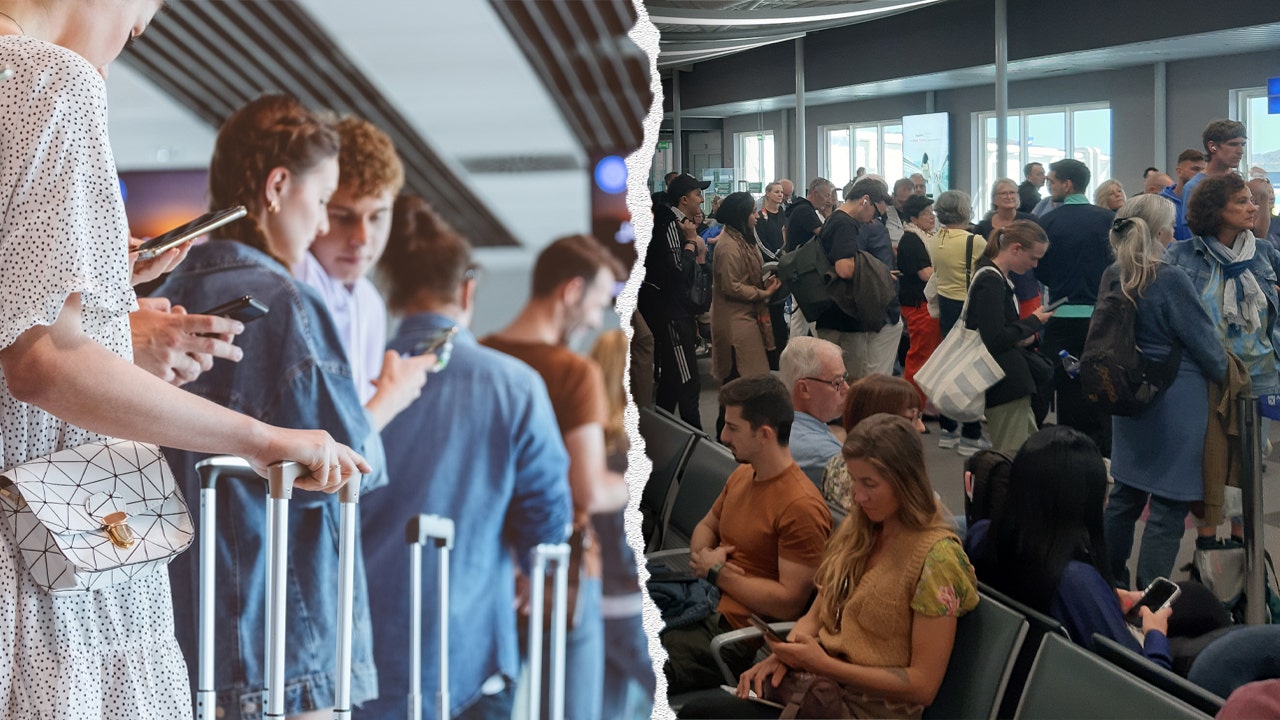
As air travel continues to rebound post-pandemic, a new phenomenon has emerged, causing disruptions and frustrations among passengers: the rise of ‘gate lice.’ This term refers to the chaotic crowding at boarding gates, where passengers often gather long before their flight’s boarding time, creating congestion and confusion. The ramifications of this behavior are significant, prompting airlines to reconsider their boarding strategies to enhance passenger experience and maintain operational efficiency.
The Rise of ‘Gate Lice’ and Its Impact
Gate lice has become a hot topic among frequent flyers and airline staff alike. The term vividly illustrates the phenomenon of overcrowding at gate areas, where passengers jockey for position, often leading to a stressful boarding process. This situation not only frustrates travelers but also complicates the logistics of boarding, making it less efficient and more time-consuming.
Why is this happening? There are several factors:
- Increased Flight Delays: With airlines facing staffing shortages and operational challenges, delays are more common. Passengers often feel the need to be at the gate early, fearing they might miss their flight.
- Boarding Policies: Many airlines have adopted boarding policies that encourage passengers to line up early, leading to earlier and more crowded gatherings at the gate.
- Passenger Anxiety: The anxiety surrounding air travel, especially post-COVID, has led many to adopt a “better safe than sorry” mentality, prompting them to arrive at the gate sooner than necessary.
Consequences of ‘Gate Lice’
The consequences of this phenomenon are manifold:
- Increased Stress Levels: Passengers often report feeling anxious and stressed due to the overcrowding and chaos, which can detract from the overall travel experience.
- Operational Delays: Airlines may find that the boarding process becomes inefficient, leading to further delays in flight departures.
- Negative Customer Experience: The chaotic environment can lead to negative perceptions of the airline, impacting customer loyalty and satisfaction.
Airlines’ Responses to Gate Lice
Recognizing the challenges posed by ‘gate lice,’ airlines are beginning to take action to improve the situation. Here are some strategies being considered:
Revamping Boarding Processes
Many airlines are reassessing their boarding procedures. Traditional methods, such as boarding by rows, may no longer be effective in preventing crowding. Some potential alternatives include:
- Zone Boarding: Implementing a zone boarding system that allows passengers to board in smaller groups can help reduce congestion at the gate.
- Virtual Boarding Queues: Technology can be leveraged to create virtual queues, allowing passengers to wait in designated areas until their boarding group is called.
- Encouraging Timely Arrivals: Airlines can promote the importance of arriving at the gate at the appropriate time, perhaps by providing clearer communication about boarding procedures and timelines.
Enhancing Communication
Clear and effective communication is crucial in managing passenger expectations. Airlines should consider the following:
- Real-Time Updates: Providing real-time flight updates and boarding status via apps and airport displays can help keep passengers informed and reduce anxiety.
- Pre-Boarding Announcements: Frequent announcements at the gate can remind passengers to stay seated until their boarding group is called, discouraging early line-ups.
Passenger Education and Behavior Change
Addressing ‘gate lice’ isn’t solely the responsibility of airlines; passengers also play a significant role. Education on proper boarding etiquette can help mitigate the problem:
- Understanding Boarding Times: Passengers should be educated on the importance of adhering to boarding times and the impact of crowding on the boarding process.
- Emphasizing Respect for Fellow Passengers: Encouraging a culture of respect and patience among travelers can lead to a more pleasant boarding experience for everyone.
Future Implications for Air Travel
The challenge of ‘gate lice’ raises important questions about the future of air travel. As airlines adapt to the evolving landscape, they must also consider:
- Passenger Experience: The boarding process is a crucial part of the overall travel experience. Ensuring it is seamless and stress-free will be vital for customer satisfaction.
- Operational Efficiency: Airlines must balance passenger convenience with operational efficiency to maintain timely departures and arrivals.
- Health and Safety Protocols: Continuing to prioritize health and safety will be important as airlines navigate passenger comfort in a post-pandemic world.
Conclusion
In conclusion, the rise of ‘gate lice’ presents a unique challenge for airlines and travelers alike. As the industry seeks to address the frustrations stemming from overcrowded boarding areas, a multifaceted approach involving improved boarding processes, enhanced communication, and passenger education will be essential. Embracing these changes can lead to a more enjoyable and efficient travel experience for all, ensuring that flying remains a preferred mode of travel in the years to come.
Ultimately, every stakeholder in the air travel ecosystem—from airlines to passengers—has a role to play in addressing the issues posed by ‘gate lice.’ By fostering a collaborative approach, the future of air travel can be both efficient and enjoyable.
See more BBC Travel World


