Inside the ‘Gate Lice’ Crackdown: A Passenger’s Eye-Opening Experience with American Airlines
In a world where air travel has become a routine part of life for many, the boarding process can often feel like a chaotic free-for-all. Recently, a passenger aboard American Airlines had a surprising experience that highlighted the ongoing issue of ‘gate lice’—those eager travelers who swarm the boarding area well before their group is called. This firsthand account sheds light on the airline’s recent crackdown on this behavior, raising important questions about airline policies and passenger etiquette in crowded airports.
What is ‘Gate Lice’?
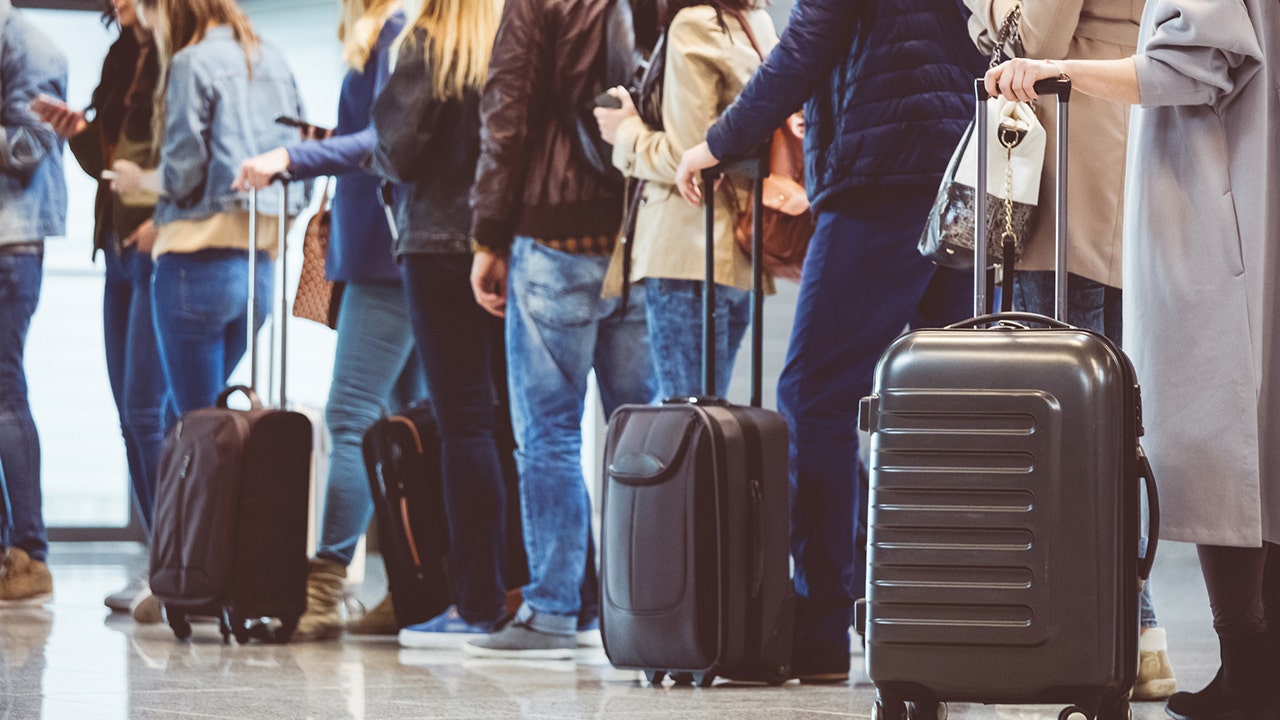
The term ‘gate lice’ refers to passengers who crowd around the boarding gate long before their assigned boarding group is called. This behavior can lead to confusion, frustration, and a general sense of disorder, as travelers jostle for position and attempt to secure their place in line. For many frequent flyers, this scene is all too familiar. Passengers often feel an overwhelming urge to be first on board, leading to a chaotic atmosphere as they line up, even when their group is still several announcements away.
A Firsthand Account of the Crackdown
During a recent flight from Dallas to New York, a passenger, who we’ll refer to as Sarah, experienced firsthand the consequences of this rampant behavior. As she approached the gate, she noticed a significant number of travelers already standing in line, despite the clear signage indicating that only Group 1 was to board at that time.
“It was like a stampede,” Sarah recalled. “People were pushing and shoving, trying to get a spot in line. It was chaotic, and honestly, a bit embarrassing to witness.”
American Airlines’ Response to Gate Lice
To address this growing issue, American Airlines implemented new policies aimed at curbing the behavior of gate lice. The airline began announcing that passengers should only form a line when their boarding group is called. In an attempt to maintain order and efficiency, gate agents were instructed to remind passengers of this protocol regularly. The goal? To create a more orderly boarding process that respects everyone’s time and space.
According to Sarah, the response from gate agents was immediate and assertive. “They were very clear with their instructions—no one was boarding unless their group was called,” she noted. “It felt like they were finally taking a stand against the chaos.”
The Passenger’s Experience
As Sarah waited at the gate, she noticed a significant change in the atmosphere. With the new enforcement of boarding policies, passengers began to return to their seats or stand back from the gate area, respecting the order. “It was refreshing to see everyone actually listening,” she said. “For once, there was a sense of calm rather than the usual frenzy.”
Understanding the Impact of Gate Lice
The impact of gate lice extends beyond mere inconvenience. The disorderly boarding process can lead to delays, increased stress for both passengers and crew, and even safety concerns. When passengers crowd the gate, it can obstruct the flow of boarding and create confusion, especially for those who may have mobility issues or are traveling with children.
Moreover, the phenomenon of gate lice can also affect the overall travel experience. Passengers who are anxious or frustrated before they even board their flight may carry that negativity with them throughout their journey. By enforcing a more orderly boarding process, airlines like American Airlines hope to improve passenger satisfaction and streamline operations.
What Can Passengers Do?
While airlines are taking steps to manage the issue of gate lice, passengers also play a crucial role in fostering a more respectful boarding environment. Here are some tips for travelers:
- Know Your Boarding Group: Pay attention to the boarding announcements and signage, and only line up when your group is called.
- Stay Calm: Avoid the urge to rush to the gate. Boarding will happen in an organized manner if everyone adheres to their assigned group.
- Be Respectful: Consider the comfort of others around you. Give space to those who may need it, such as families with children or elderly passengers.
- Communicate: If you see someone pushing ahead, politely remind them of the boarding policy. A little kindness can go a long way!
The Future of Airline Boarding Policies
Sarah’s experience highlights a significant shift in how airlines like American Airlines are handling the boarding process. By cracking down on gate lice, they not only enhance the efficiency of boarding but also improve the overall passenger experience. As more airlines adopt similar policies, we may see a cultural change in how travelers approach the boarding process.
Moreover, technology may play a role in future boarding strategies. Innovations such as mobile boarding passes, virtual queuing systems, and real-time notifications could further streamline the boarding process and reduce the urge for passengers to crowd the gate. Airlines are continually seeking ways to enhance the travel experience, and addressing the chaos of gate lice is just one piece of the puzzle.
Conclusion: A Step Toward a Better Travel Experience
As Sarah’s story demonstrates, the crackdown on gate lice by American Airlines is more than just a response to a chaotic boarding scene; it’s a significant step toward a more organized and pleasant travel experience. By fostering a culture of respect and order at the gate, airlines can significantly improve passenger satisfaction and operational efficiency. As travelers, it’s essential to embrace these changes and contribute to a more civil and enjoyable atmosphere at the airport.
In the end, the boarding process doesn’t have to be a battleground. With cooperation from both airlines and passengers, we can all look forward to a smoother journey from gate to destination.
See more BBC Travel World


