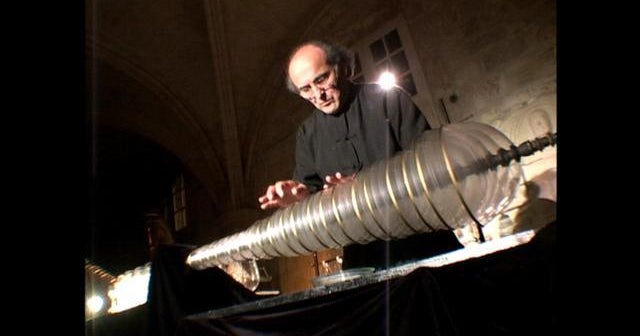
Harmonies of Glass: The Enigmatic World of Glass Music
Glass music, a captivating art form that intertwines the ethereal beauty of sound with the delicate craftsmanship of glass, has fascinated audiences for centuries. This ancient yet mesmerizing practice, which involves the creation of music through finely tuned glass instruments, invites us into a world where the mundane transforms into the extraordinary. In this exploration, we delve into the rich history, intricate craftsmanship, and the unique sonic characteristics of glass music.
The Historical Context of Glass Music
The origins of glass music can be traced back to the early 18th century, when the glass armonica was invented by Benjamin Franklin. Inspired by the sound of spinning glass bowls, Franklin devised an instrument that utilized friction to produce haunting melodies. This innovation not only marked the beginning of glass music as a recognized genre but also positioned it within the broader spectrum of musical evolution.
However, the roots of glass as a musical medium extend further back. Ancient civilizations, including the Greeks and Romans, experimented with glass vessels and their resonant properties, laying the groundwork for future developments. The fascination with glass music was rekindled during the Romantic era, when composers like Mozart and Beethoven incorporated glass instruments into their works, further cementing its place in classical music.
Craftsmanship: The Art Behind the Sound
Creating glass instruments requires not only musical talent but also a profound understanding of glass craftsmanship. The process begins with the selection of high-quality glass, which is meticulously shaped and polished to achieve the desired tonal quality. Artisans skilled in glassblowing and tuning techniques dedicate years to mastering their craft, ensuring that each instrument resonates perfectly.
The glass armonica, for instance, comprises a series of glass bowls of varying sizes mounted on a spindle. As the spindle rotates, the musician applies moisture to their fingers and lightly touches the rims of the bowls, producing a range of ethereal sounds. The precision involved in crafting these instruments is paramount; even the slightest imperfection can alter the instrument’s pitch and tone.
The Unique Soundscape of Glass Music
The unique sounds produced by glass instruments evoke a sense of wonder and enchantment. Described as hauntingly beautiful and otherworldly, the melodies resonate with a clarity that is distinct from traditional instruments. The harmonics created by glass music have the power to evoke deep emotional responses, making it a profound medium for artistic expression.
Musicians who specialize in glass music often explore various genres, from classical to contemporary, infusing their performances with a diverse range of influences. The adaptability of glass instruments allows for innovative compositions that push the boundaries of musical conventions. This versatility is part of what keeps the art form alive and relevant in today’s musical landscape.
Contemporary Revival and Future Trends
In recent years, there has been a notable revival of interest in glass music. Contemporary composers and performers are rediscovering this ancient art form, integrating it into modern musical compositions and experimental performances. The rise of digital technology and online platforms has also facilitated the sharing of glass music, reaching wider audiences and fostering a community of enthusiasts.
Looking ahead, the future of glass music appears promising. As more musicians experiment with glass instruments, we can anticipate a fusion of traditional craftsmanship with modern innovations. Additionally, increased collaboration between glass artists and musicians could lead to the creation of new instruments that further enhance the sonic possibilities of glass music.
The Cultural Significance of Glass Music
Beyond its aesthetic appeal, glass music holds cultural significance as a symbol of creativity and innovation. It represents a convergence of art, science, and craftsmanship, reflecting the collaborative spirit that has driven human expression throughout history. The delicate nature of glass serves as a metaphor for the fragility of life, reminding us of the beauty that can emerge from vulnerability.
As we continue to explore the harmonies of glass, we must also recognize the importance of preserving this unique art form. Supporting artisans, promoting education, and fostering awareness can help ensure that glass music remains a vibrant part of our cultural heritage.
Conclusion
In conclusion, the enigmatic world of glass music offers a captivating glimpse into a timeless art form that transcends the boundaries of sound and craftsmanship. Its rich history, intricate creation process, and unique sonic characteristics contribute to its enduring appeal. As we embrace the contemporary revival of glass music, we are reminded of the power of creativity to inspire and connect us across generations. The future of this mesmerizing art form holds endless possibilities, inviting us to listen to the harmonies of glass and the stories they tell.
See more BBC Travel World


