Unveiling Hawaii: The Significance of Its Rainbow Capital Status
Hawaii proudly carries the title of the “Rainbow Capital of the World.” This designation is not merely a whimsical nickname; it reflects the islands’ stunning natural beauty and the unique environmental and cultural factors that contribute to the formation of vibrant rainbows. In this article, we will explore what this unique title means for Hawaii, its inhabitants, and the broader implications for tourism, culture, and conservation.
The Science Behind Hawaii’s Rainbows
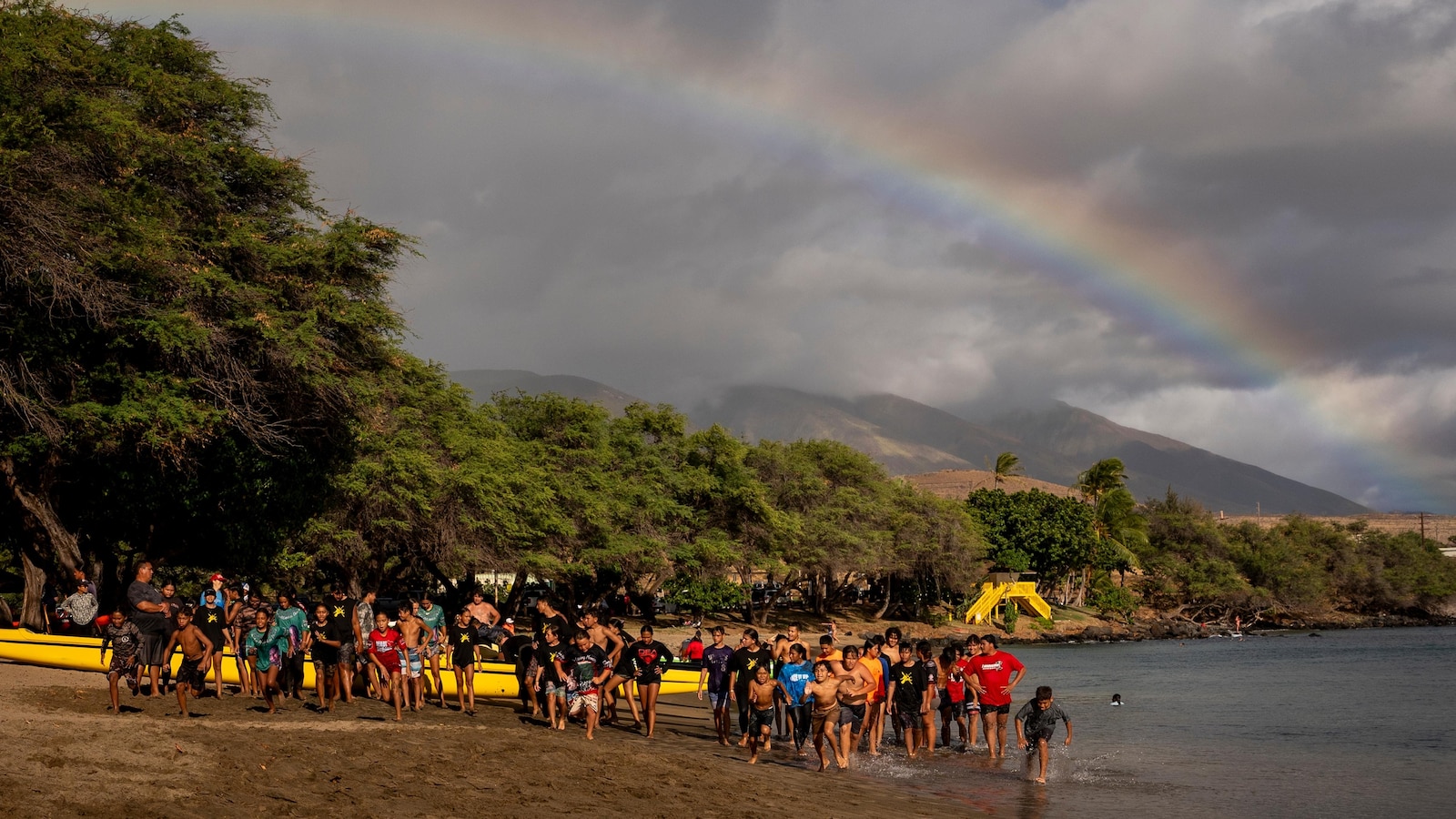
At the heart of Hawaii’s reputation as the Rainbow Capital lies a fascinating interplay of geography and meteorology. The islands’ mountainous terrain, combined with their tropical climate, creates ideal conditions for the formation of rainbows. Here’s how it works:
- Mountainous Landscapes: Hawaii’s volcanic origins have resulted in dramatic elevations, particularly on islands like Maui and the Big Island. These mountains often capture moisture-laden clouds that release rain.
- Tropical Climate: The islands experience warm temperatures year-round, which helps to create the humidity necessary for rain. When the sun shines after a rain shower, the light refracts through the water droplets, creating rainbows.
- Unique Weather Patterns: Hawaii’s location in the Pacific Ocean exposes it to diverse weather patterns influenced by the trade winds. This variability leads to localized rain and sunshine, making rainbows a frequent sight.
For both locals and tourists, spotting a rainbow is often considered a sign of good luck. This belief is deeply entrenched in Hawaiian culture, which views rainbows as a bridge between the earthly and the spiritual realms. The Hawaiian term for rainbow, “ākau,” reflects this connection to mythology and spirituality.
Cultural Significance of Rainbows in Hawaii
Beyond the scientific explanation, rainbows hold profound cultural significance for the Hawaiian people. They are woven into the fabric of local legends, art, and everyday life. Here are a few ways that rainbows manifest in Hawaiian culture:
- Mythology: In Hawaiian mythology, rainbows are often associated with the goddess Hina, who is said to reside in the clouds. The rainbow symbolizes her connection to the earth and the heavens.
- Art and Representation: Rainbows are a common motif in Hawaiian art, appearing in everything from traditional tattoos to modern paintings. They represent beauty, hope, and the connection to nature.
- A Symbol of Unity: In contemporary times, rainbows have come to symbolize unity and diversity, particularly within the LGBTQ+ community. This has further solidified Hawaii’s reputation as a welcoming and inclusive destination.
In essence, the rainbow serves as a powerful symbol of harmony and beauty, resonating deeply with the values of the Hawaiian people.
Tourism and Economic Impact
Hawaii’s title as the Rainbow Capital of the World has significant implications for tourism. Each year, millions of visitors flock to the islands, drawn by their breathtaking landscapes and the promise of experiencing these natural phenomena firsthand. Here are some ways this status enhances Hawaii’s tourism appeal:
- Attracting Visitors: Tourists often come to Hawaii with the hope of witnessing a rainbow, making it a quintessential part of their experience. This desire can lead to increased bookings in hotels, tours, and attractions.
- Photographic Opportunities: The vibrant rainbows provide stunning backdrops for photography, contributing to the islands’ allure on social media platforms. This visual appeal strengthens Hawaii’s brand as a paradise on Earth.
- Rainbow-Themed Events: Various festivals and events celebrate the beauty of rainbows, such as the annual Rainbow Festival in Hilo. Such events not only draw tourists but also foster community spirit.
The economic impact of this tourism is substantial, as it supports local businesses, creates jobs, and helps fund conservation efforts to protect Hawaii’s unique environment.
Conservation Efforts and Environmental Concerns
While Hawaii’s rainbows are a natural wonder, they also highlight the need for environmental conservation. The increasing pressures of tourism and climate change pose significant threats to the islands’ delicate ecosystems. Here’s a look at the pressing issues:
- Climate Change: Rising sea levels and changing weather patterns threaten the very conditions that create rainbows. Increased rainfall can lead to flooding, while drought can diminish the lush landscapes that contribute to the rainbow phenomenon.
- Tourism Pressure: The influx of tourists can lead to overdevelopment and environmental degradation. Protecting natural habitats is crucial for maintaining the beauty of Hawaii’s landscapes and the rainbows that adorn them.
- Community Involvement: Local organizations and government initiatives are working tirelessly to promote sustainable tourism practices. Engaging residents and visitors alike in conservation efforts is essential for preserving the islands’ natural treasures.
Hawaii has begun to implement measures that promote eco-friendly tourism, such as encouraging visitors to participate in conservation programs or to respect natural habitats while exploring the islands.
Conclusion: A Kaleidoscope of Beauty and Culture
In unveiling Hawaii’s status as the “Rainbow Capital of the World,” we find a rich tapestry woven from natural wonder, cultural depth, and economic vitality. The stunning rainbows that grace the skies above the islands are not just beautiful spectacles; they are symbols of hope, unity, and the profound connection between the land and its people.
As we continue to celebrate Hawaii’s unique title, it is imperative to recognize the importance of conservation and sustainability. By honoring the natural beauty that draws us to the islands, we can ensure that future generations will also have the chance to experience the magic of Hawaii’s rainbows.
Ultimately, Hawaii’s rainbows remind us that beauty is not just to be admired; it is something to be cherished and protected, for they are a reflection of the soul of the islands and the resilience of its people.
See more BBC Travel World


