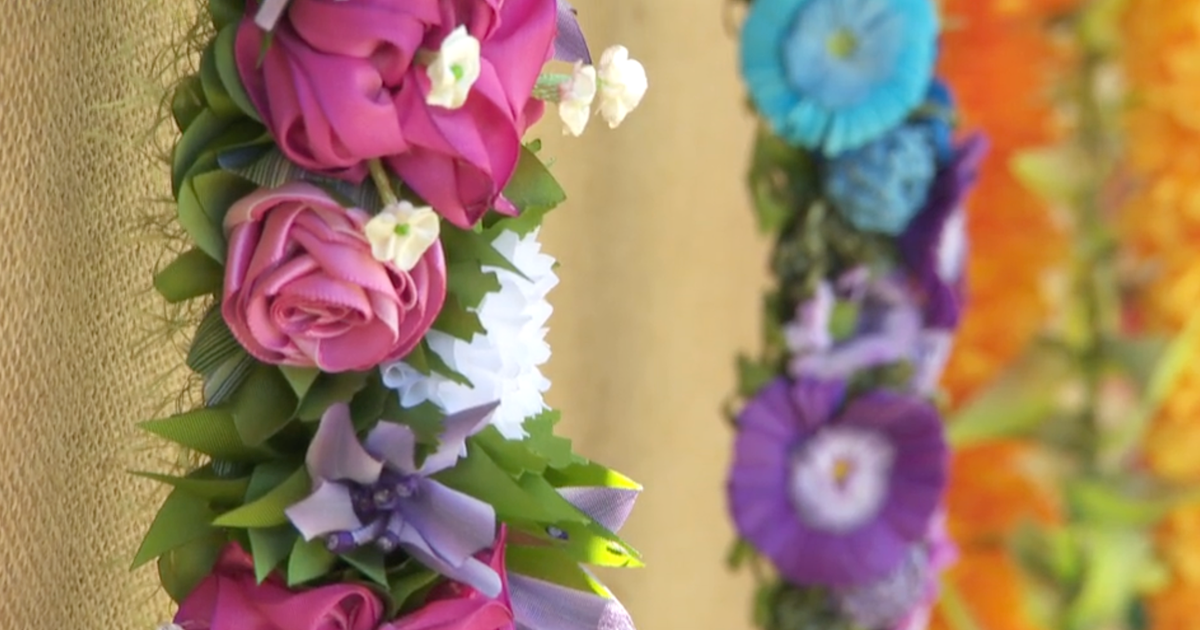
Unveiling the Art of Hawaiian Lei Making: A Journey of Aloha
In the heart of the Pacific, the Hawaiian lei—a vibrant garland of flowers, leaves, or shells—serves as a universal symbol of love, respect, and connection. Crafted for centuries by Native Hawaiians, each lei embodies the spirit of aloha, weaving together nature’s beauty and cultural traditions. Today, artisans preserve this art form, adapting it for modern celebrations while honoring its sacred roots. From ceremonial rites to tourist keepsakes, the lei remains a living testament to Hawaii’s heritage.
The Cultural Significance of Lei Making
Lei making, or haku lei, transcends mere craftsmanship; it is a spiritual practice rooted in Hawaiian cosmology. Historically, leis were offered to deities, chiefs, and loved ones during milestones like births, weddings, and funerals. “A lei isn’t just a gift—it’s a prayer made tangible,” explains Kumu Hula (hula master) Leialoha Lim. “The materials, colors, and even the way it’s draped carry layers of meaning.”
- Sacred Materials: Traditional leis use native flora like maile (a fragrant vine), pikake (jasmine), or lehua (from the ohia tree), each chosen for its symbolism.
- Protocols: Certain leis, like those made from hala (pandanus) leaves, are reserved for specific ceremonies or individuals.
- Modern Adaptations: Contemporary artisans incorporate non-native flowers like orchids, broadening accessibility while sparking debates about cultural preservation.
The Craftsmanship Behind Every Strand
Creating a lei demands patience and precision. Artisans handpick blooms at dawn when their scent is strongest, then string them using techniques passed through generations. The most common method, kui, involves piercing petals with a needle, while hili (braiding) and wili (twisting) employ leaves or vines. According to a 2023 survey by the Hawaii Tourism Authority, over 60% of lei makers spend 2–4 hours per lei, with complex designs taking days.
“The rhythm of lei making is meditative,” says Oahu-based artisan Keoni Davis. “You’re not just assembling flowers—you’re weaving stories.” However, climate change threatens this practice. Rising temperatures and invasive species have reduced yields of traditional plants, prompting conservation efforts like the Lei Plant Recovery Initiative, which has replanted 5,000 native species since 2020.
Leis in Contemporary Hawaii
Today, leis bridge tradition and commerce. They’re staples at airports, graduations, and luaus, generating $12 million annually for local businesses. Yet, cultural practitioners emphasize mindful consumption. “Tourists often treat leis as souvenirs,” notes historian Dr. Noelani Ahia. “But to Hawaiians, they’re a covenant—a way to honor people and land.”
Initiatives like Lei Day (May 1st), established in 1929, educate the public through workshops and competitions. Meanwhile, social media has amplified global interest, with #LeiMaking garnering 1.2 million TikTok views in 2023. This exposure fuels both appreciation and concerns over cultural commodification.
Preserving the Future of Lei Making
As Hawaii navigates tourism’s double-edged sword, safeguarding lei traditions requires collaboration. Nonprofits like the Hawaiian Lei Foundation sponsor youth apprenticeships, while botanists work to revive endangered plants. “The next generation must learn that leis are more than pretty accessories,” urges Lim. “They’re a lifeline to our ancestors.”
For visitors, experts recommend purchasing leis from certified cultural practitioners or attending workshops to understand their significance. As climate and globalization pose challenges, the art of lei making stands as a resilient emblem of aloha—inviting all to cherish Hawaii’s heritage with reverence.
Ready to experience lei making firsthand? Book a workshop with a certified cultural practitioner through the Hawaiian Tourism Authority’s official website and carry home more than just a memory—a piece of living tradition.
See more BBC Travel World


