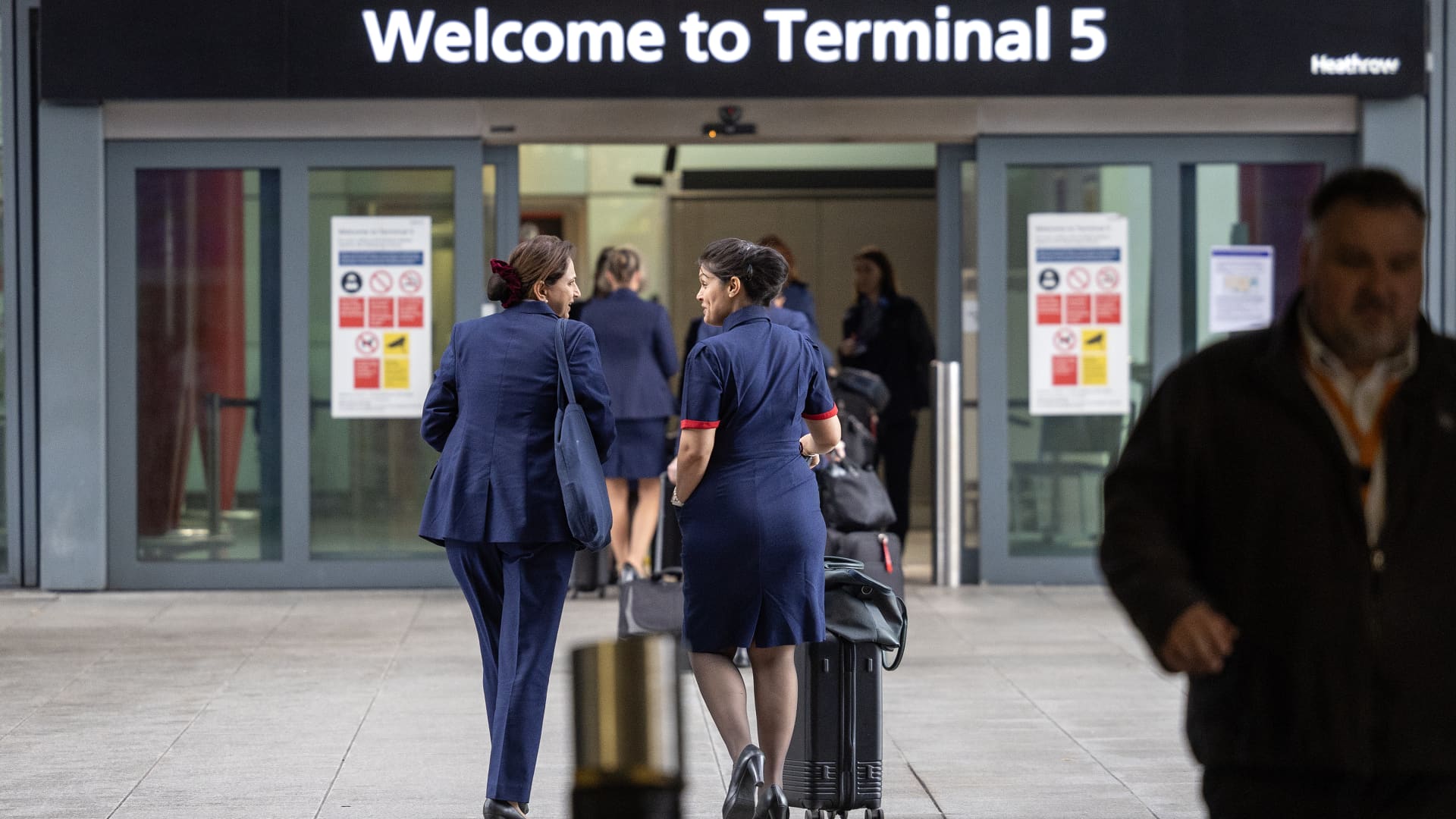
Heathrow Airport Resumes Operations Amid Ongoing Travel Disruptions
Heathrow Airport, one of the busiest international airports in the world, has recently reopened its doors following a significant fire in its vicinity. Despite the resumption of operations, travelers are still facing considerable disruptions, raising important questions concerning airport safety and the future of travel logistics. This incident has highlighted not only the vulnerabilities within the aviation sector but also the resilience of the travel industry in overcoming unforeseen challenges.
The Incident: What Happened at Heathrow?
On a seemingly normal day, an unexpected fire broke out in a nearby facility, prompting immediate safety protocols to be enacted. The blaze, which was quickly contained, led to a temporary closure of Heathrow Airport as authorities prioritized the safety of passengers and staff. Emergency services were deployed swiftly, showcasing the effectiveness of the airport’s crisis management procedures.
As a result of the fire, numerous flights were delayed or canceled, leaving many travelers stranded and frustrated. Such disruptions are particularly challenging during peak travel seasons, where every minute counts for both airlines and passengers alike. The rapid response from airport services, however, ensured that safety remained the priority, and the situation was managed effectively.
Travel Disruptions: What Travelers Need to Know
While Heathrow Airport has resumed operations, the fallout from the incident continues to affect travel plans. Here are some key aspects travelers should be aware of:
- Flight Delays and Cancellations: Many airlines have had to adjust their schedules due to the fire, which may lead to ongoing delays and cancellations. It’s advisable for travelers to check with their airlines for the latest updates.
- Increased Security Measures: As a precaution, enhanced security protocols might be implemented to ensure the safety of all passengers. Travelers should expect longer wait times at security checkpoints.
- Customer Service Support: Most airlines are ramping up customer service efforts to assist affected travelers. This includes offering rebooking options, refunds, and accommodations where necessary.
During this challenging time, it’s essential for travelers to remain patient and flexible. The airport’s management has emphasized their commitment to restoring normal operations as quickly and safely as possible.
Airport Safety Concerns: A Growing Dialogue
The fire incident has reignited discussions regarding safety measures at major airports like Heathrow. With millions of travelers passing through each year, ensuring the highest safety standards is non-negotiable. Here are some considerations:
- Infrastructure Resilience: Airports must continuously invest in infrastructure improvements to withstand emergencies. This includes fire prevention systems, emergency response training, and regular safety drills.
- Communication Protocols: Effective communication during crises is crucial. The airport’s ability to inform passengers about ongoing situations can significantly reduce anxiety and confusion.
- Collaboration with Local Authorities: Airports should maintain strong partnerships with local emergency services to ensure rapid response capabilities in the event of an incident.
While the recent incident is alarming, it also serves as a reminder of the importance of ongoing safety evaluations and improvements in airport operations.
The Future of Travel Logistics Post-Incident
As Heathrow Airport navigates through these challenges, the future of travel logistics remains a topic of discussion among industry experts. The implications of this incident may shape operational strategies moving forward:
- Enhanced Technology Integration: The integration of advanced technologies, such as AI and machine learning, could streamline operational efficiencies and improve response times during emergencies.
- Sustainability Efforts: The aviation industry is under increasing pressure to adopt sustainable practices. The incident may accelerate discussions around greener technologies and sustainable airport management.
- Passenger Experience Innovations: Enhancing the overall travel experience will be paramount in rebuilding trust. Airports may invest in better amenities, information systems, and services to ensure that travelers feel secure and comfortable.
Moreover, the industry might witness a shift in consumer behavior. With the recent disruptions, travelers may prioritize airlines and airports that demonstrate exceptional safety records and customer service, thereby reshaping competitive dynamics in the aviation sector.
Final Thoughts: Resilience in the Face of Adversity
Heathrow Airport’s reopening is a testament to the resilience of the aviation industry. While the fire incident caused significant disruptions, it also provided an opportunity for reflection and improvement. The ongoing dialogue surrounding airport safety, technological advancements, and passenger experience will undoubtedly influence the future of air travel.
As we look forward, it is essential for travelers to stay informed and prepared. Monitoring flight statuses, understanding safety protocols, and being flexible with travel plans can help mitigate the impact of such disruptions. The aviation industry, with its continual evolution, remains committed to ensuring that air travel is not only safe but also enjoyable for everyone.
In conclusion, while the reopening of Heathrow Airport marks a positive step forward, the challenges faced serve as a reminder of the importance of vigilance and adaptability in the ever-changing world of travel. With collaborative efforts from airlines, airports, and travelers alike, the industry will emerge stronger and more united in the face of adversity.
See more BBC Travel World


