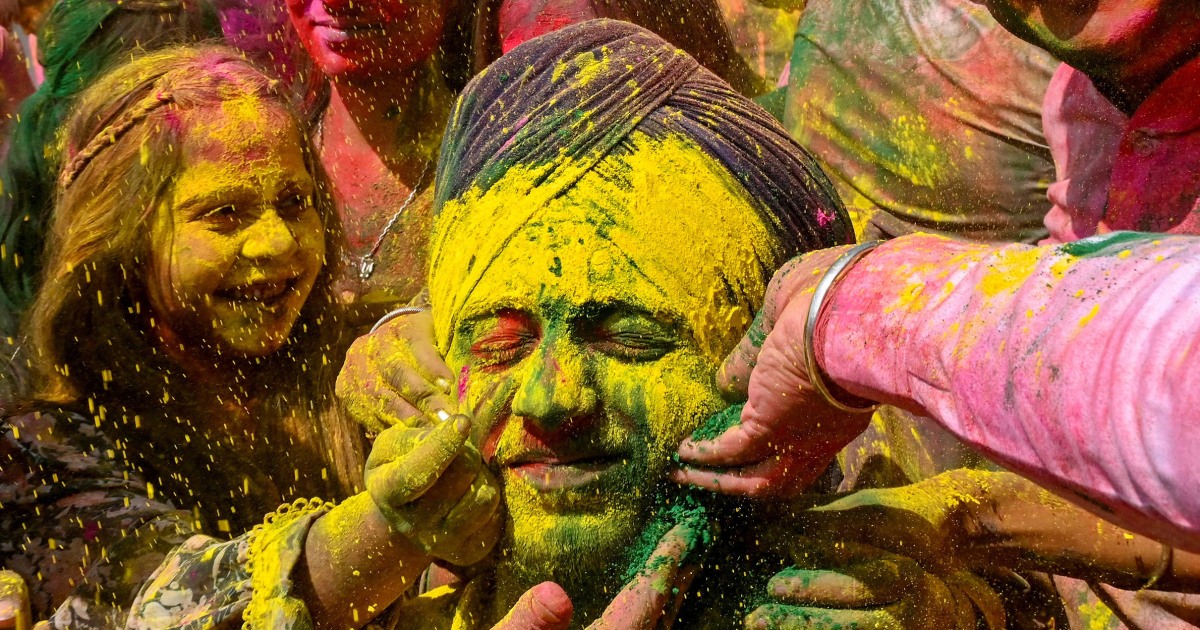
India Drenches in Color: The Vibrant Celebration of Holi Unveiled
The festival of Holi, celebrated with exuberance and enthusiasm, is one of the most cherished festivals in India. It signifies the arrival of spring, the end of winter, and embodies the spirit of love and joy. As the vibrant celebration of Holi unfolds, India transforms into a lively canvas splashed with every imaginable color. From joyous water balloon battles to traditional rituals, Holi encapsulates a unique experience that resonates deeply within the hearts of people across the nation.
The Cultural Significance of Holi
Holi is not merely a festival; it is a profound representation of cultural values and social unity. Rooted in Hindu mythology, the festival commemorates the victory of good over evil, notably illustrated through the legend of Prahlad and Holika. Prahlad’s unwavering devotion to Lord Vishnu led to Holika’s defeat, symbolizing that righteousness ultimately prevails. This tale, among others, enriches the festival’s narrative, reminding participants of the virtues of faith, love, and community.
Moreover, Holi is a time for forgiveness and renewal. It encourages individuals to set aside grievances and embrace friendships, allowing people from all walks of life to come together, regardless of caste, creed, or societal status. The festival emphasizes the importance of unity, making it a beautiful reflection of India’s diverse culture.
Celebrating Holi: The Festivities
The celebration of Holi typically spans two days. The first day, known as Holika Dahan, involves the lighting of bonfires to symbolize the burning of evil. Families and friends gather around the fire, singing songs and performing rituals to ward off negativity. The evening is filled with warmth and camaraderie, as people share sweets and enjoy each other’s company.
The second day, often referred to as Rangwali Holi or Dhulandi, is when the real fun begins. Streets become battlegrounds as people armed with colored powders (gulal) and water balloons engage in playful skirmishes. The atmosphere is electric, filled with laughter, music, and the joyous shouts of “Bura Na Mano, Holi Hai!” (Don’t be offended, it’s Holi!).
Unique Traditions Across India
While the essence of Holi remains consistent, various regions in India celebrate it in distinctive ways:
- Mathura and Vrindavan: Known as the birthplace of Lord Krishna, these towns celebrate Holi with unparalleled fervor. The festivities include reenactments of Krishna’s playful antics and a riot of colors in the streets.
- Punjab: In this region, Holi, or “Hola Mohalla,” is celebrated with martial arts displays and traditional music, showcasing the martial heritage of the Sikhs.
- West Bengal: Here, Holi is celebrated as “Dol Jatra,” where idols of Radha and Krishna are placed on decorated swings, and devotees celebrate with colors and songs.
- South India: Although not as widely celebrated, some regions observe Holi with traditional dishes and rituals dedicated to the onset of spring.
The Colors of Holi: Symbolism and Significance
The vibrant colors used during Holi carry profound meanings. Each color symbolizes different emotions and aspects of life:
- Red: Signifying love and passion.
- Yellow: Representing knowledge and learning.
- Green: Symbolizing nature and new beginnings.
- Blue: Associated with the divine and tranquility.
- Pink: Embodying joy and playfulness.
As people throw these colors at one another, they not only create a visually stunning spectacle but also engage in a form of expression that transcends verbal communication. The act of applying color on someone else’s face is an intimate gesture, fostering connections and reinforcing bonds.
Modern-Day Celebrations and Global Influence
In recent years, Holi has gained international recognition, with celebrations being organized in various countries around the world. Cities such as New York, London, and Sydney host Holi events that attract thousands of participants, showcasing Indian culture and traditions to a global audience. These celebrations often include music festivals, dance performances, and culinary experiences, making Holi an inclusive and diverse event.
With the rise of social media, the festival has become a platform for people to share their experiences, photos, and videos, further amplifying its reach and significance. Holi-themed parties and events have become commonplace, even among those unfamiliar with the festival, highlighting its universal appeal.
Environmental Considerations
As with any festival, Holi comes with its set of challenges, particularly concerning environmental sustainability. Traditionally, the colors used during Holi were made from natural sources, but modern practices often include synthetic dyes that can be harmful to the environment and human health. To combat this, many communities are now advocating for eco-friendly celebrations by:
- Using natural colors made from flowers and herbs.
- Encouraging water conservation during celebrations.
- Promoting the use of biodegradable materials for food and decorations.
These initiatives aim to ensure that the joyous celebration of Holi does not come at the expense of our planet, fostering a culture of responsibility and awareness among participants.
Conclusion: A Festival of Love and Togetherness
As India drenches in color during Holi, it becomes a vibrant tapestry woven with the threads of love, joy, and unity. This festival not only celebrates the arrival of spring but also reinforces the values of togetherness, forgiveness, and the triumph of good over evil. Whether you’re participating in the festivities in India or celebrating far from home, Holi serves as a reminder of the joy of human connection and the beauty of diversity.
As we embrace this colorful festival, let us remember the deeper meanings behind the celebrations and strive to carry forward the spirit of Holi throughout the year—spreading love, acceptance, and joy in our daily lives.
See more BBC Travel World


