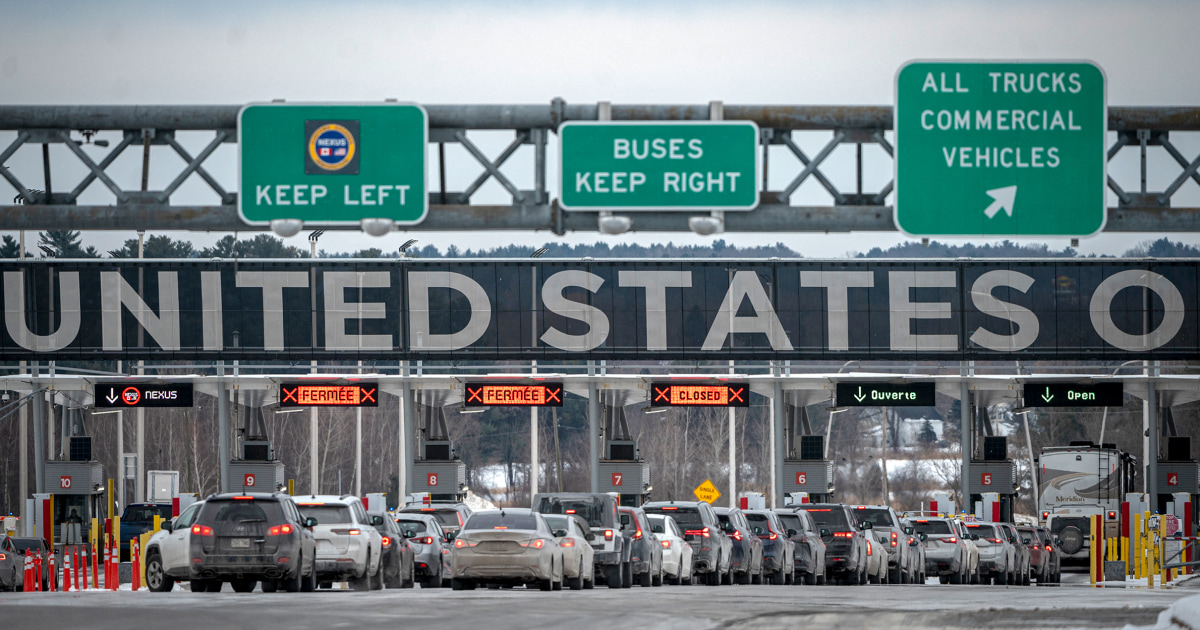
Why International Travelers Are Rethinking Visits to the U.S.
International tourism to the United States has declined sharply in recent years, with travelers citing safety concerns, high costs, and cumbersome visa processes as key deterrents. Data from the U.S. Travel Association reveals a 14% drop in overseas visitors since 2019, costing the economy billions. Experts warn this trend could reshape America’s standing as a top global destination unless systemic issues are addressed.
Safety Concerns Take Center Stage
Mass shootings, political unrest, and rising crime rates dominate international media coverage of the U.S., creating a perception of instability. A 2023 Gallup World Poll found that 62% of respondents from allied nations viewed the U.S. as unsafe—a 20-point increase from 2016. “When tourists choose between countries, they prioritize personal safety,” explains Dr. Lena Müller, a tourism analyst at Berlin International University. “The U.S. is losing that confidence.”
Incidents like the 2022 Fourth of July parade shooting in Illinois and frequent hate crimes make headlines worldwide. Meanwhile, cities like San Francisco and Portland face scrutiny for homelessness crises and open-air drug use. Japanese travel agencies report a 30% decline in bookings to California since 2020, with clients opting for Canada or Europe instead.
Economic Barriers Deter Budget-Conscious Travelers
Beyond safety, the U.S. has become prohibitively expensive for many international visitors:
- The average daily travel cost rose to $293 in 2023 (up 24% since 2019)
- Hotel rates in major cities like New York and Miami increased by 37%
- Weaker foreign currencies against the dollar amplify budget strains
“Americans don’t realize how unaffordable their country has become,” says Rajiv Mehta, CEO of Mumbai-based Horizon Tours. “A family of four now spends more on a week in Orlando than two weeks in Spain—with better public transit and healthcare security.”
Visa Hurdles and Bureaucratic Headaches
Lengthy visa wait times further discourage visitors. The U.S. State Department reports:
- Average wait times of 400+ days for tourist visas in Mexico and India
- 40% of applicants requiring in-person interviews at understaffed consulates
By contrast, the Schengen Zone processes visas in under 15 days for most applicants. “The U.S. system feels designed to reject people,” notes Brazilian entrepreneur Carla Silva, who canceled three business trips due to visa delays. “Other countries roll out welcome mats—America puts up barbed wire.”
Competition From Emerging Destinations
As the U.S. struggles, competitor nations aggressively court travelers:
- Japan saw tourism rebound to 98% of pre-pandemic levels after relaxing visa rules and leveraging a weak yen
- Turkey attracted record European visitors with streamlined e-visas and lower costs
- Canada gained market share by marketing its multicultural cities as “America without the stress”
Even within North America, Mexico’s tourism revenue grew 12% in 2023—outpacing the U.S. for the first time in decades.
Industry Reactions and Potential Solutions
U.S. travel leaders acknowledge the crisis. “We’re at an inflection point,” admits Roger Dow, former CEO of the U.S. Travel Association. Proposed fixes include:
- Expanding the Visa Waiver Program to more countries
- Creating “tourism zones” with enhanced security in major cities
- Subsidizing hotel taxes during off-peak seasons
Some cities take independent action. Miami now partners with private security firms to patrol tourist areas, while Las Vegas offers discounted convention packages to international groups.
The Road Ahead for U.S. Tourism
Without intervention, analysts project overseas arrivals won’t recover to 2019 levels until 2026—two years behind global benchmarks. The economic impact is staggering: every 1 million lost travelers equates to $4 billion in missing revenue and 25,000 jobs.
Yet opportunity remains. “America still has unmatched national parks, entertainment, and cultural diversity,” stresses NYU professor Mark Phillips. “But it must address visitor concerns transparently—or risk becoming a second-choice destination.”
For travelers considering alternatives, comparing safety records and hidden costs between destinations is crucial. The U.S. tourism industry’s next moves may determine whether “Land of the Free” stays on bucket lists—or becomes a cautionary tale.
See more BBC Travel World


