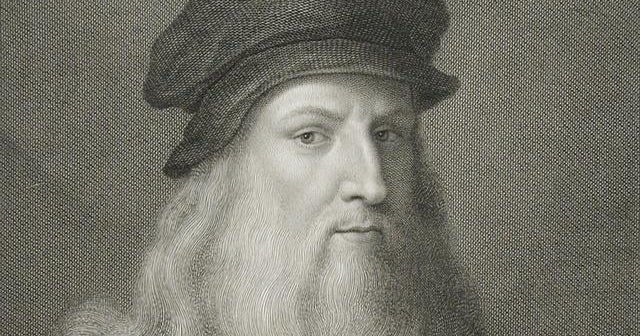
Unraveling the Secrets of Leonardo da Vinci’s Genius
Leonardo da Vinci, a name synonymous with genius, has captivated the world for centuries. His unparalleled contributions to art, science, and invention render him one of the most influential figures of the Renaissance and beyond. This article aims to delve into the multifaceted brilliance of da Vinci, examining not only his masterpieces like the Mona Lisa but also the innovative mind that conceived inventions far ahead of their time.
The Renaissance Polymath
Leonardo was not merely an artist; he was an archetypal Renaissance man who excelled in various domains. His insatiable curiosity led him to explore anatomy, botany, engineering, and mechanics. This multidisciplinary approach allowed him to synthesize knowledge across fields, ultimately enriching his artwork and inventions.
Artistic Mastery
- Mona Lisa: Perhaps the most famous painting in the world, the Mona Lisa showcases da Vinci’s mastery of sfumato, a technique that allows for soft transitions between colors and tones.
- The Last Supper: This mural not only captures a pivotal biblical moment but also reflects da Vinci’s skill in perspective and composition, drawing viewers into the drama of the scene.
Scientific Inquiry
Leonardo’s notebooks reveal a mind that was as much a scientist as it was an artist. He meticulously recorded observations on human anatomy, conducting dissections that were revolutionary for his time. His anatomical sketches laid the groundwork for modern biology and medical science.
Innovations Ahead of Their Time
Da Vinci’s visionary inventions—many of which were conceptualized long before the technology existed to realize them—demonstrate his extraordinary foresight. His designs for flying machines, armored vehicles, and even early prototypes of the helicopter highlight an inventive spirit that transcended the limitations of his era.
Examples of Groundbreaking Inventions
- The Flying Machine: Inspired by the flight of birds, da Vinci sketched various flying devices, including the ornithopter, which aimed to mimic the flapping of wings.
- The Armored Vehicle: Often viewed as a precursor to modern tanks, da Vinci’s designs featured a circular, armored body equipped with cannons, showcasing his understanding of military strategy and engineering.
The Interplay of Art and Science
What sets Leonardo apart is the seamless integration of art and science. His artistic endeavors were often informed by his scientific investigations, leading to a holistic understanding of the world. For instance, his studies of light and shadow not only enhanced his paintings but also contributed to developments in optics.
Legacy and Influence
Leonardo da Vinci’s legacy endures in the realms of art, science, and innovation. His approach to learning and inquiry laid the foundation for the modern scientific method and continues to inspire artists and scientists alike. The interdisciplinary nature of his work serves as a reminder of the value of curiosity and creativity in problem-solving.
Future Implications of Da Vinci’s Genius
As we navigate an increasingly complex world, the principles embodied by da Vinci’s work offer valuable lessons. The fusion of art and science encourages innovative thinking and collaboration across disciplines. In an era defined by rapid technological advancement, the ability to think critically and creatively is more crucial than ever.
Conclusion
Leonardo da Vinci remains a towering figure of human achievement, embodying the spirit of inquiry that drives progress. His legacy, a testament to the power of creativity and intellect, continues to inspire new generations. By unraveling the secrets of his genius, we not only celebrate his contributions to art and science but also acknowledge the timeless impact of curiosity and innovation.
See more BBC Travel World


