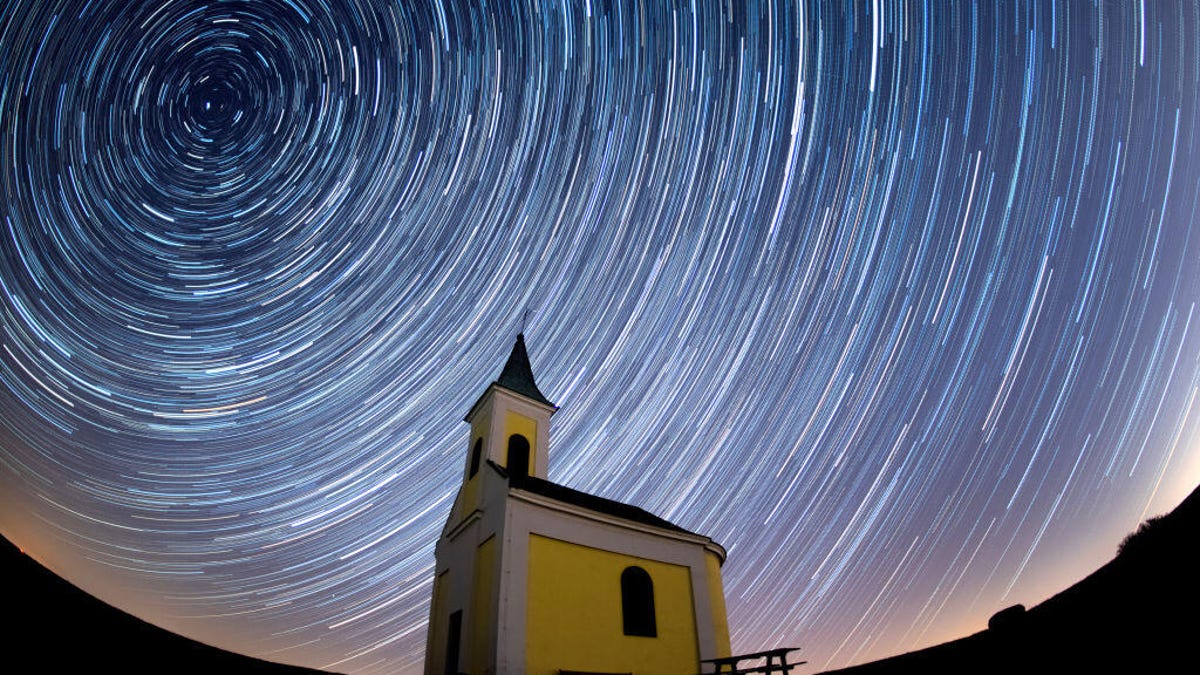
Celestial Spectacles Await: Meteor Showers Light Up 2025
As 2025 unfolds, skywatchers can anticipate a series of breathtaking meteor showers, with the next dazzling display arriving this week. Meteor showers are among nature’s most mesmerizing phenomena, offering a glimpse into the cosmic ballet that plays out in our universe. These spectacular celestial events occur when Earth passes through trails of debris left by comets and asteroids, resulting in stunning streaks of light that illuminate the night sky.
Understanding Meteor Showers
Before diving into the specifics of what 2025 has in store, it’s essential to understand what meteor showers are. When a comet or asteroid orbits the sun, it sheds tiny particles of dust and debris. As Earth travels along its orbit, it encounters these trails, leading to an increase in meteors during specific periods. These meteor displays are categorized into major showers, which occur annually, and minor showers, which may not be as well known.
The most famous meteor showers, such as the Perseids and the Geminids, are eagerly anticipated by astronomers and casual stargazers alike. With each event, spectators are often treated to hundreds of meteors per hour, creating a spectacular show that can be enjoyed from backyards, parks, or dark-sky locations.
Upcoming Meteor Showers in 2025
Skywatchers in 2025 can look forward to several notable meteor showers. Here are some of the most significant events to mark on your calendar:
- Quadrantids: January 3–4
- Lyrids: April 16–25
- Eta Aquarids: May 5–6
- Perseids: August 12–13
- Orionids: October 21–22
- Leonids: November 17–18
- Geminids: December 13–14
Each of these meteor showers has its unique characteristics, influenced by the parent body from which the debris originates. For example, the Perseids, produced by Comet Swift-Tuttle, are renowned for their bright, fast meteors and often produce fireballs, while the Leonids, associated with Comet Tempel-Tuttle, can produce outbursts of meteors, sometimes reaching rates of up to 1,000 meteors per hour during peak years.
How to Prepare for Meteor Shower Viewing
To fully enjoy these celestial spectacles, preparation is key. Here are some tips to enhance your meteor shower viewing experience in 2025:
- Find a Dark Location: Light pollution can significantly diminish your viewing experience. Seek out dark-sky areas away from city lights for the best visibility.
- Check the Weather: Clear skies are essential for viewing meteor showers. Keep an eye on local weather forecasts to find the best nights for viewing.
- Time Your Viewing: Meteor showers typically peak in the early morning hours, just before dawn. This is when the most meteors are likely to be visible.
- Bring a Comfortable Setup: Since meteor watching can involve long periods of lying back and gazing at the sky, bring blankets, chairs, and snacks to keep you comfortable.
- Be Patient: Meteor watching requires patience. Give your eyes time to adjust to the darkness, and don’t be discouraged if you don’t see meteors immediately.
What to Expect During Meteor Showers
During meteor showers, you can expect to see a variety of meteors, ranging from faint streaks to bright fireballs. The intensity and frequency of these meteors can vary, influenced by factors such as the density of the debris trail and atmospheric conditions. Some meteors may leave persistent trails, which can be a stunning sight.
Aside from the visual spectacle, meteor showers offer an opportunity to reflect on our place in the universe. Each meteor is a tiny fragment of a much larger cosmic story, and watching them can inspire a sense of wonder and curiosity about the cosmos.
Potential for New Discoveries in 2025
As we venture deeper into 2025, there is also the potential for new discoveries related to meteor showers. Astronomers and scientists are continually studying these events to better understand their origins and impact on Earth. For instance, the study of meteorites, which are remnants of meteors that survive their journey through the atmosphere, can provide valuable insights into the composition of our solar system.
Moreover, advancements in technology have made it possible to capture stunning images and data from meteor showers. Observatories and amateur astronomers alike are utilizing digital cameras and software to track and analyze meteor activity, contributing to our understanding of these celestial events.
Joining the Community of Skywatchers
Participating in meteor showers is not just an individual experience; it can also be a communal event. Many astronomy clubs and organizations host viewing parties, where enthusiasts gather to share their passion for the night sky. These gatherings can provide valuable insights, equipment for viewing, and a sense of camaraderie among fellow stargazers.
Social media has also become a platform for sharing experiences and observations during meteor showers. Using dedicated hashtags, skywatchers can post their photos and stories, connecting with others around the globe who share a love for astronomy.
Conclusion: A Year of Celestial Wonder
As 2025 approaches, the promise of meteor showers lighting up the night sky invites everyone to step outside, look up, and appreciate the wonders of the universe. With a calendar full of celestial events, skywatchers have ample opportunities to witness nature’s fireworks. So grab your blankets, invite your friends, and prepare for a year filled with celestial spectacles that are sure to ignite your imagination and inspire awe.
Mark your calendars, prepare your gear, and get ready to experience the magic of meteor showers. The universe awaits, and the stars are ready to put on a show!
See more BBC Travel World


