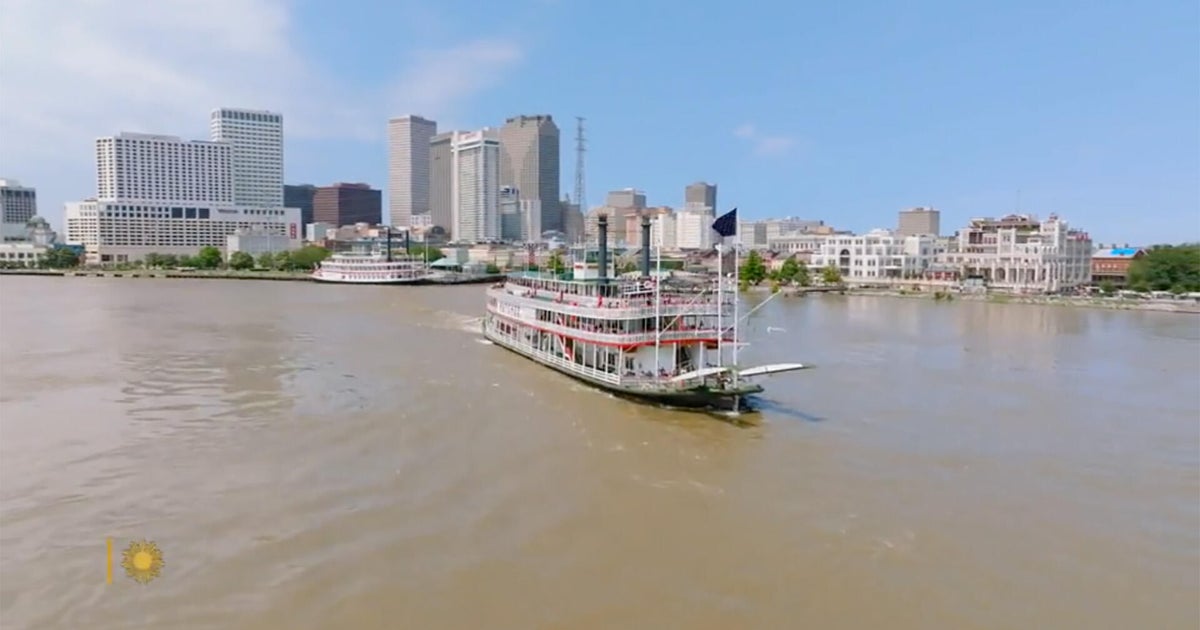
Unveiling the Spirit of New Orleans: A Journey Through Resilience and Heritage
New Orleans, a city steeped in history and culture, continues to captivate the world with its resilience and vibrant heritage. From the jazz-filled streets of the French Quarter to the rebuilding efforts post-Hurricane Katrina, the city embodies a unique blend of tradition and tenacity. As of 2024, New Orleans thrives as a testament to community strength, drawing over 19 million visitors annually who seek its rich culinary scene, music, and storied past. This article explores how the city’s history shapes its present and fuels its unwavering spirit.
The Historical Tapestry of New Orleans
Founded in 1718, New Orleans has weathered centuries of change, from French and Spanish colonial rule to its pivotal role in the American Civil War. The city’s Creole and Cajun roots, African influences, and Caribbean connections have woven a cultural mosaic unlike any other in the U.S. Today, landmarks like the St. Louis Cathedral and the historic Treme neighborhood stand as living monuments to this legacy.
Dr. Emily Landry, a historian at Tulane University, notes: “New Orleans isn’t just a city—it’s a living archive. Every brick in the French Quarter, every note of jazz, tells a story of survival and adaptation.” Recent preservation efforts, including a $40 million investment in 2023 to restore endangered historic sites, underscore the city’s commitment to honoring its past.
Resilience in the Face of Adversity
Hurricane Katrina in 2005 marked a turning point for New Orleans, displacing over 1 million residents and causing $125 billion in damage. Nearly two decades later, the city has rebounded, with its population reaching 80% of pre-Katrina levels and a revitalized economy driven by tourism and tech startups. However, challenges remain, including coastal erosion threatening the region at a rate of a football field every 100 minutes.
- Economic Recovery: The city’s GDP grew by 3.2% in 2023, outpacing the national average.
- Cultural Revival: Festivals like Mardi Gras and Jazz Fest attract millions, generating $1 billion annually.
- Environmental Efforts: The $2 billion “Living with Water” initiative aims to combat flooding through innovative infrastructure.
The Heartbeat of New Orleans: Music and Cuisine
Jazz, born in the early 20th century in New Orleans, remains the city’s soul. Frenchmen Street’s clubs and the annual Satchmo SummerFest celebrate this legacy, while contemporary artists blend traditional sounds with modern genres. Similarly, the culinary scene—from gumbo to beignets—reflects the city’s diversity, with James Beard Award-winning chefs redefining Creole cuisine.
Renowned chef Dominique LeJeune observes: “Our food tells the story of who we are—a mix of cultures, a dash of rebellion, and a whole lot of heart. Even after Katrina, restaurants were the first to reopen, feeding not just bodies but spirits.”
Challenges and the Path Forward
While New Orleans celebrates its revival, systemic issues persist. Income inequality ranks among the highest in the nation, with 24% of residents living below the poverty line. Rising housing costs and climate change pose ongoing threats, yet grassroots organizations like the Water Collaborative and Make Music NOLA are driving change.
Looking ahead, the city’s 2024 Master Plan prioritizes:
- Affordable housing projects
- Expanded levee protections
- Investments in minority-owned businesses
Conclusion: A City That Refuses to Be Silenced
New Orleans stands as a beacon of resilience, where history and hope intersect. From its jazz-filled nights to its daylight recovery efforts, the city teaches the world about enduring spirit. As visitors flock to its streets and locals rebuild their communities, one truth remains clear: New Orleans isn’t just surviving—it’s thriving. To support its journey, consider donating to local nonprofits or planning a visit to experience its magic firsthand.
See more BBC Travel World


