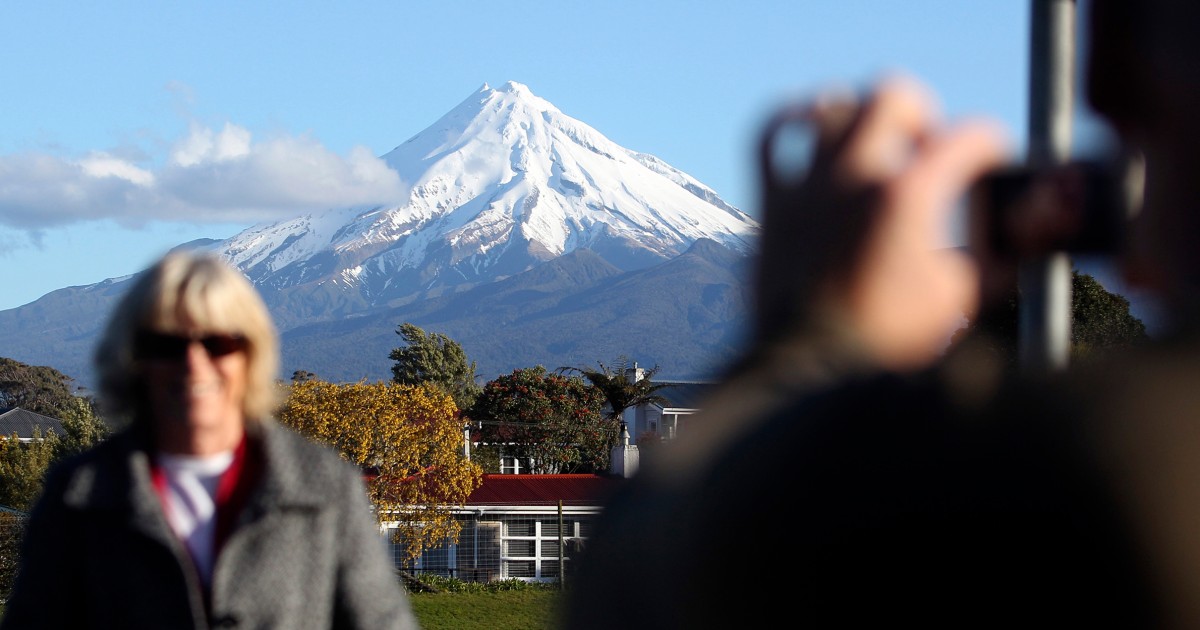
New Zealand’s Tourism Dilemma: Locals Question the ‘Everyone Must Go’ Campaign
New Zealand, often celebrated for its breathtaking landscapes and rich cultural heritage, has embarked on an ambitious tourism campaign dubbed “Everyone Must Go.” This initiative aims to promote inclusivity and encourage both locals and international travelers to explore the country’s diverse offerings. However, the campaign has faced unexpected backlash from residents, who are questioning its implications on local communities and the environment. This article delves deep into the complexities surrounding New Zealand’s tourism dilemma, exploring the sentiments of locals, the campaign’s effectiveness, and its broader impact on the community.
The ‘Everyone Must Go’ Campaign: An Overview
Launched in response to the significant economic downturn caused by the COVID-19 pandemic, the “Everyone Must Go” campaign seeks to rejuvenate New Zealand’s tourism sector. The campaign promotes the idea that everyone, regardless of background or ability, should experience the wonders of New Zealand. This message is especially poignant given the isolation faced by many during the pandemic, as travel restrictions kept people confined to their homes.
Supporters of the campaign argue that it fosters a sense of belonging and encourages exploration of the country’s unique attractions, from the stunning fjords of Milford Sound to the vibrant culture of Māori communities. However, not all feedback has been positive.
Local Backlash: Concerns and Considerations
As the campaign gained traction, many locals began to express their discontent. A significant concern stems from the overwhelming influx of tourists that the campaign may invite. Some residents argue that the campaign promotes an unsustainable model of tourism, potentially compromising the integrity of New Zealand’s natural beauty and cultural heritage.
- Environmental Impact: Increased foot traffic in popular destinations often leads to environmental degradation. Locals worry that a surge in tourists could result in littering, damage to ecosystems, and increased carbon footprints.
- Community Displacement: The tourism boom can drive up property prices and living costs, making it difficult for locals to afford housing. Some residents are considering leaving their hometowns due to rising rents and the commercialization of their communities.
- Cultural Dilution: Many locals fear that the unique cultural aspects of their communities may be overshadowed by mass tourism, leading to a dilution of their heritage.
These concerns have prompted a growing movement among residents to question the effectiveness and long-term viability of the “Everyone Must Go” campaign. Activists argue for a more balanced approach to tourism that prioritizes sustainability and community well-being.
Voices from the Community
To better understand the sentiments of locals, we reached out to several residents from different parts of New Zealand. Their perspectives shed light on the multifaceted nature of this dilemma.
**Anna, a resident of Rotorua**, expressed her frustration: “While I love sharing my hometown with visitors, I can’t help but feel overwhelmed by the number of tourists. Our natural hot springs and geysers are becoming overcrowded, and it’s losing its charm.” Anna highlights the delicate balance between welcoming visitors and preserving the uniqueness of local attractions.
**David, a farmer in Canterbury**, shared his concern about rising property prices: “The influx of tourists has driven up the cost of living here. It’s becoming increasingly difficult for my family to stay in the area I’ve called home all my life. I’m considering moving to a less popular region where I can afford a decent life.” David’s story reflects a broader trend of displacement experienced by many locals in tourist-heavy areas.
Tourism vs. Community: Striking a Balance
The backlash against the “Everyone Must Go” campaign raises important questions about how New Zealand can effectively balance tourism with the needs of its residents. Here are some considerations for fostering a more sustainable tourism model:
- Community Engagement: Involving locals in tourism planning is crucial. Their insights can guide policies that prioritize community welfare and environmental preservation.
- Regulating Tourism Flow: Implementing visitor caps at popular sites can help reduce overcrowding. This approach not only protects natural resources but also enhances the visitor experience.
- Promoting Off-Peak Travel: Encouraging visitors to explore during off-peak seasons can alleviate pressure on popular destinations and provide a more intimate experience.
- Investing in Infrastructure: Developing sustainable infrastructure that benefits both tourists and locals is essential for long-term success. This includes better public transport, waste management systems, and community facilities.
A Shift Towards Sustainable Tourism
Many locals are advocating for a shift towards sustainable tourism practices that not only enhance the visitor experience but also protect the environment and support local communities. Initiatives such as eco-tourism, farm stays, and cultural experiences can provide travelers with unique insights into New Zealand’s heritage while directly benefiting local economies.
For example, eco-tourism ventures often focus on conservation and responsible travel, allowing visitors to engage with the environment in meaningful ways. By prioritizing local guides and sustainable practices, these initiatives can ensure that tourism contributes positively to the community.
New Zealand’s “Everyone Must Go” campaign, while well-intentioned, has opened up a vital conversation about the future of tourism in the country. The concerns raised by locals underscore the need for a more nuanced approach that respects both the environment and the communities that make New Zealand such a remarkable destination.
As New Zealand navigates its tourism dilemma, it is essential for policymakers to listen to the voices of residents and carry out strategies that promote sustainable and responsible tourism. By doing so, they can ensure that New Zealand remains a place of wonder, not only for visitors but for the locals who call it home.
Ultimately, the success of New Zealand’s tourism sector hinges on its ability to create a harmonious balance between welcoming the world and preserving the irreplaceable qualities that make the nation unique. Only through collaboration and thoughtful planning can New Zealand truly embody the spirit of “Everyone Must Go,” in a way that benefits all.
See more BBC Travel World


