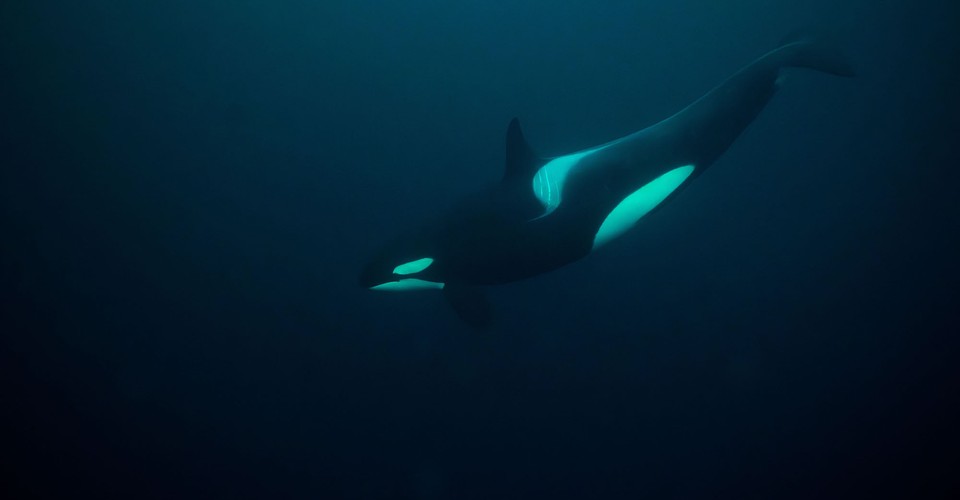
Capturing the Allure of the Northern Landscape: A Visual Journey
From the dancing auroras of Alaska to the rugged fjords of Norway, the Northern Hemisphere’s landscapes have long captivated photographers and travelers alike. This visual journey explores the breathtaking beauty of these regions through stunning photography, revealing their unique charm and natural wonders. Through expert lenses, we uncover the artistry behind each shot and the compelling stories they tell about these remote, often untamed environments.
The Magic of Northern Light and Seasons
The North’s ever-changing light and dramatic seasons create a photographer’s paradise. During winter, the golden hues of the “blue hour” stretch for hours, while summer brings the ethereal midnight sun. According to a 2023 study by the International Landscape Photographers Association, northern regions account for 62% of award-winning nature photography, largely due to these unique conditions.
“The Arctic light has a quality you won’t find anywhere else,” explains renowned nature photographer Elin Johansen, who has spent 15 years documenting Scandinavia. “It’s softer yet more intense, casting long shadows that reveal textures in ways equatorial light simply can’t.”
Key photographic opportunities in northern landscapes include:
- The aurora borealis, best captured between September and March
- Spring’s explosive wildflower blooms in places like Iceland’s highlands
- Autumn’s “ruska” phenomenon when Finnish Lapland turns fiery red
- Winter’s ice formations and snow patterns
Technical Challenges and Creative Solutions
Capturing these landscapes presents unique hurdles. Temperatures often plunge below -30°C (-22°F), causing camera batteries to drain rapidly. A 2022 survey by Outdoor Photography Magazine found that 78% of Arctic photographers use specialized gear, including:
- Weather-sealed camera bodies
- Lens heaters to prevent condensation
- Insulated tripods that won’t freeze to the ground
“You’re not just battling the cold,” says Canadian wilderness photographer Mark Desjardins. “Wind, moisture, and even wildlife add layers of complexity. I’ve had foxes chew through my backpack and ravens steal lens caps.”
Despite these challenges, photographers develop ingenious solutions. Many use portable power banks kept inside their coats, while others employ intervalometers to minimize direct contact with equipment in extreme cold.
Cultural Narratives Woven Into the Landscape
Beyond natural beauty, northern photography often captures deep cultural connections. Indigenous communities like the Sámi in Scandinavia and Inuit in Canada have thrived in these environments for millennia. Their stories emerge through images of reindeer migrations, traditional ice fishing, and modern adaptations to climate change.
“A great northern photograph does more than showcase scenery,” notes cultural anthropologist Dr. Liam Chen. “It reveals the delicate balance between humans and an environment that’s both harsh and fragile. These images become historical documents as the North undergoes rapid transformation.”
Recent exhibitions at the National Geographic Museum and the V&A have highlighted how contemporary photographers are blending:
- Traditional ecological knowledge with modern techniques
- Time-lapse sequences showing glacial retreat
- Portraits of indigenous stewards protecting ancestral lands
Conservation Through the Lens
Many northern photographers have become unexpected conservation advocates. Striking images of melting permafrost or shrinking ice shelves have driven policy discussions. When photographer Sarah Klein’s series “The Disappearing North” went viral in 2021, it reportedly influenced three national governments to expand protected Arctic areas.
“Photography translates scientific data into emotional impact,” says Klein. “When people see a polar bear struggling to find ice floes, or a 10-year comparison of a glacier, it sparks action in ways spreadsheets never could.”
Scientific institutions have taken note. The Polar Research Institute now partners with photographers to document changes, creating a visual database that complements satellite imagery and field measurements.
The Future of Northern Photography
As technology advances, so do possibilities for capturing the North. Drones now access previously unreachable vantage points, while improved low-light sensors better capture the auroras’ subtle movements. However, some purists argue these tools risk making images feel less authentic.
“There’s a fine line between enhancement and fabrication,” cautions Johansen. “Our responsibility is to represent these places truthfully, even as editing software grows more sophisticated.”
Looking ahead, photographers face both opportunities and ethical questions:
- How to balance artistic vision with environmental accuracy
- Whether drone usage disturbs wildlife
- How to respectfully document indigenous communities
For those inspired to experience the North firsthand, responsible tourism operators like Arctic Eco Tours offer photography-focused expeditions with minimal environmental impact. As climate change alters these landscapes, the images captured today may become invaluable records for future generations.
Ultimately, this visual journey through northern landscapes does more than showcase beauty—it invites reflection on our planet’s fragility and the urgent need to protect its most awe-inspiring places. Whether through a camera lens or simply an appreciative gaze, these regions remind us of nature’s power to astonish and humble.
See more BBC Travel World


