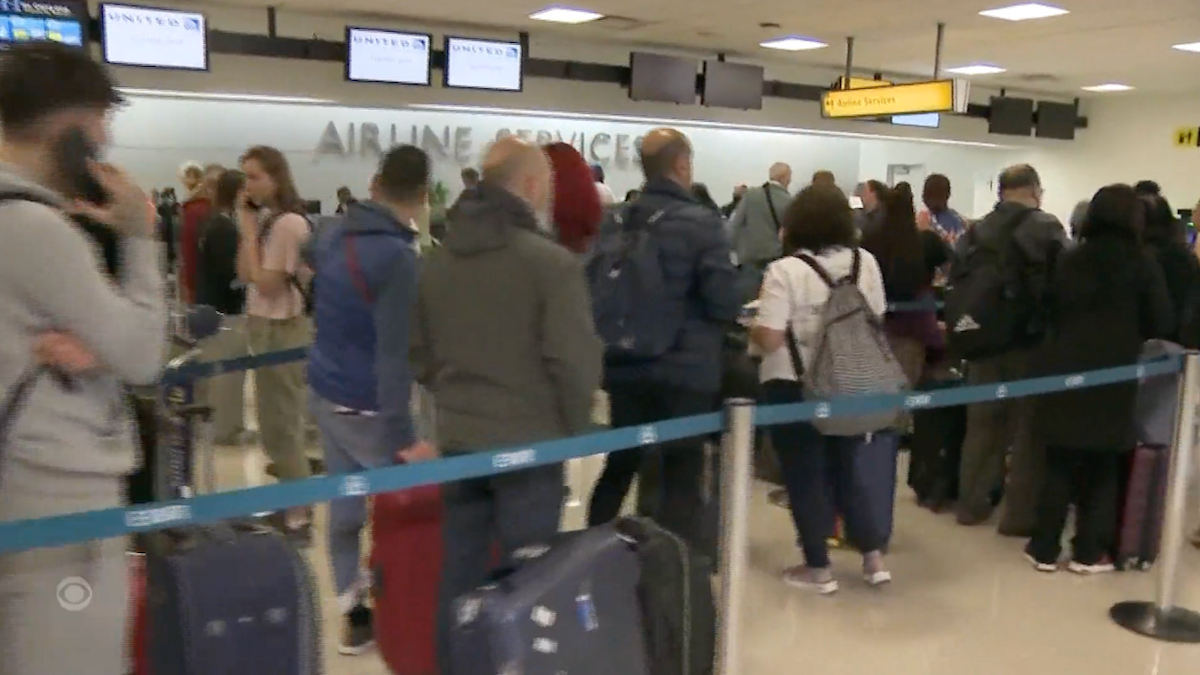
New York City-area airports are grappling with unprecedented flight disruptions, leaving thousands of travelers stranded as operational challenges collide with peak holiday demand. Over the past month, John F. Kennedy (JFK), LaGuardia (LGA), and Newark Liberty (EWR) airports have experienced cancellation rates up to 8% and delays affecting 40% of flights, according to FAA data. Aviation experts cite air traffic control shortages, severe weather patterns, and airline staffing gaps as primary contributors to the crisis.
Perfect Storm of Operational Challenges
The current travel meltdown stems from multiple systemic issues converging simultaneously. The FAA reports a 12% year-over-year increase in flight volume at Northeast corridor airports, while staffing levels remain below pre-pandemic benchmarks. Meanwhile, a series of nor’easters has exacerbated delays, creating ripple effects across the national airspace system.
- Staffing shortages: Airlines remain 15-20% below 2019 staffing levels for pilots and ground crews
- Air traffic control: New York Terminal Radar Approach Control (N90) operates with just 54% of certified controllers
- Weather impacts: November saw 12 days with visibility below minimums at LGA
“This isn’t just bad luck—it’s the consequence of chronic underinvestment in aviation infrastructure,” says Dr. Alicia Torrence, transportation analyst at the Metropolitan Policy Institute. “The New York airspace was already the nation’s most complex, and now we’re seeing what happens when you add workforce shortages to that equation.”
Airlines Scramble to Mitigate Disruptions
Major carriers have implemented various strategies to address the crisis, with mixed results. Delta and JetBlue have reduced their NYC flight schedules by 10-15% through January, while United has invested $2.5 million in additional ground staff at Newark. American Airlines now stations extra aircraft at JFK as “rescue planes” for disrupted routes.
“We’re throwing every resource at this, but the reality is some disruptions are unavoidable,” admits Robert Chen, VP of Operations for a major carrier speaking anonymously. “When you get cascading delays from weather or ATC issues, recovery takes days rather than hours.”
Passenger advocates argue these measures fall short. The Travelers’ Rights Coalition reports a 300% increase in complaints about inadequate compensation for NYC-area disruptions compared to last year. “Airlines are following the letter of their contracts but not the spirit,” says coalition director Miriam Kwon. “Offering a $12 meal voucher for an 18-hour delay doesn’t begin to cover travelers’ actual costs.”
What Travelers Can Expect This Holiday Season
With December projections showing a 6% increase in passenger volume over 2022, industry analysts predict continued challenges. The FAA has implemented several stopgap measures:
- Extended operating hours for alternate runway configurations
- Temporary redistribution of air traffic control resources
- Priority handling for aircraft with connecting international flights
Travel experts recommend passengers adopt defensive strategies:
- Book early morning flights (before 8 AM) when delays are less likely to cascade
- Avoid tight connections—allow minimum 3 hours for international itineraries
- Consider alternative airports like Westchester County or Long Island MacArthur
The Path Forward for NYC Air Travel
Long-term solutions remain contentious. While the Port Authority has accelerated its $15 billion modernization program for NYC airports, these projects won’t alleviate immediate pressures. The FAA’s hiring initiative aims to add 1,800 controllers nationally by 2024, but trainees require years of experience before handling complex New York airspace.
Some aviation groups propose more radical changes. “We need to rethink the entire hub-and-spoke model for the Northeast,” suggests former NTSB investigator Carlos Mendez. “Distributing traffic to secondary airports and investing in high-speed rail connections could provide meaningful relief.”
For now, travelers should brace for continued disruptions while documenting all expenses incurred due to delays. The Department of Transportation recently strengthened its enforcement of passenger protections, making this an optimal time to file complaints for inadequate compensation.
Stay informed about your rights as a traveler by bookmarking the DOT’s Aviation Consumer Protection portal and signing up for airport delay alerts through your airline’s mobile app.
See more BBC Travel World


