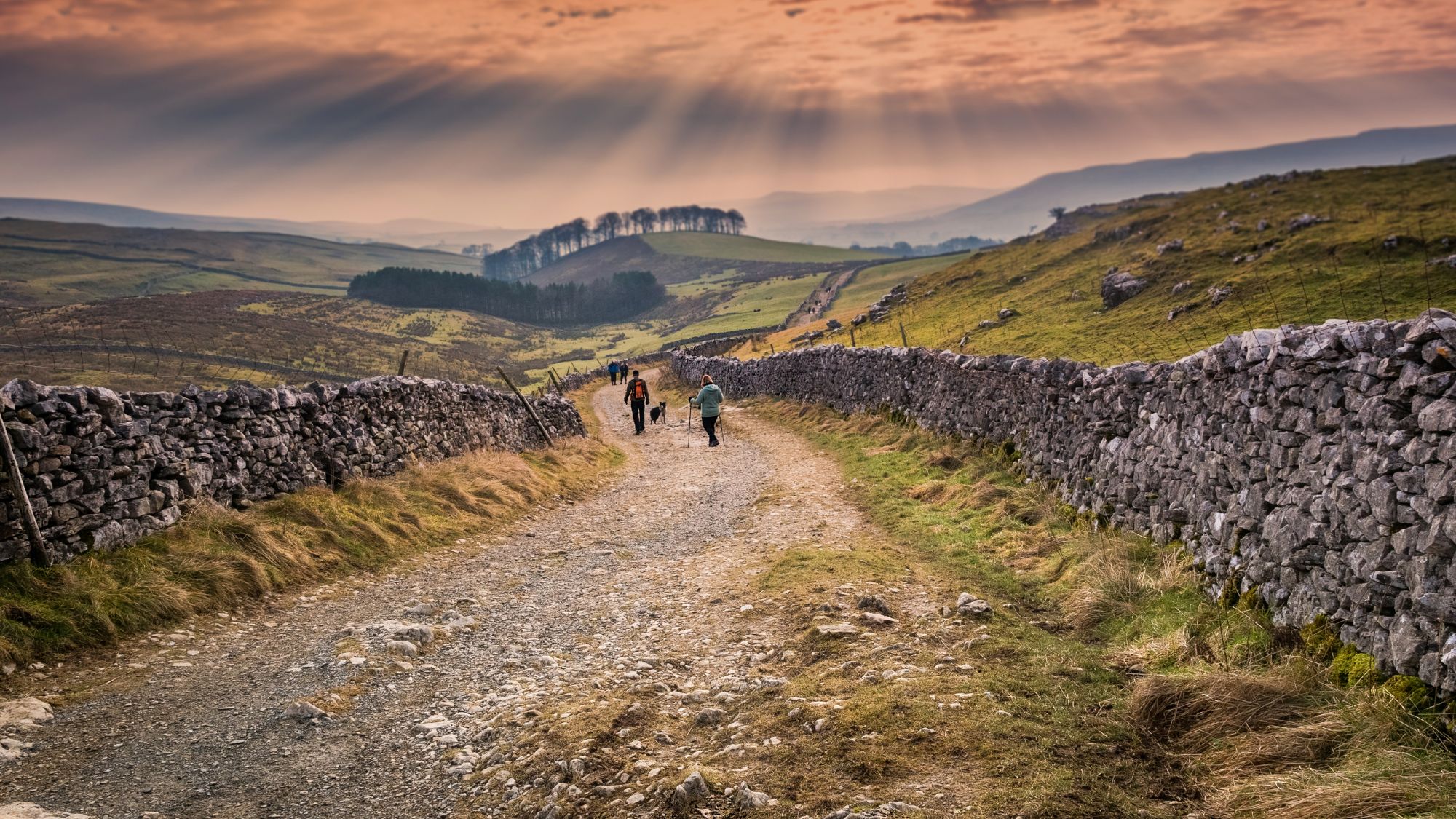
Commemorating Six Decades of the Pennine Way: A Journey Through Time
This year marks the 60th anniversary of the Pennine Way, Britain’s first National Trail, which opened on April 24, 1965. Stretching 268 miles from Edale in Derbyshire to Kirk Yetholm in the Scottish Borders, the iconic footpath has become a symbol of adventure, heritage, and the enduring appeal of the British countryside. As thousands of hikers lace up their boots to celebrate this milestone, the trail’s legacy continues to shape outdoor culture and conservation efforts across the UK.
The Birth of a National Treasure
Conceived by journalist and rambler Tom Stephenson in 1935, the Pennine Way took three decades to materialize. Its creation was fueled by the growing demand for public access to open countryside, culminating in the 1949 National Parks and Access to the Countryside Act. Today, the trail attracts approximately 15,000 through-hikers annually, with millions more enjoying shorter sections.
“The Pennine Way was revolutionary—it democratized access to landscapes once reserved for landowners,” says Dr. Eleanor Harris, a historian specializing in British outdoor culture. “Its 60th anniversary isn’t just a celebration of a trail; it’s a tribute to the UK’s commitment to preserving natural spaces for future generations.”
The Pennine Way’s Economic and Ecological Impact
Beyond its cultural significance, the trail generates an estimated £30 million yearly for rural economies, supporting pubs, B&Bs, and outdoor gear shops. A 2023 study by the Outdoor Industries Association revealed that 72% of businesses along the route credit the Pennine Way as their primary income source.
- Conservation efforts: The trail intersects with 3 National Parks and 6 Areas of Outstanding Natural Beauty, prompting partnerships with organizations like the National Trust to combat erosion and protect wildlife.
- Challenges: Climate change has increased rainfall intensity by 17% in the Pennines since 2000, accelerating path degradation. Repair costs now exceed £500,000 annually.
Voices from the Trail: Hikers and Locals
For Manchester teacher Sarah Bennett, completing the Pennine Way last summer was transformative. “The camaraderie among hikers—sharing blister plasters and weather warnings—was as memorable as the views,” she recalls. Meanwhile, Yorkshire farmer James Whitaker notes mixed feelings: “Tourism keeps our village alive, but litter and straying livestock remain headaches.”
Outdoor guide and author Richard Fox emphasizes the trail’s evolving role: “Today’s hikers seek both challenge and mindfulness. The Pennine Way delivers solitude and connection—a rare combination in our digital age.”
The Future of the Pennine Way
As celebrations unfold—including guided heritage walks and a documentary series by the BBC—the trail’s stewards face pressing questions. Satellite data shows footfall rising 8% yearly, straining infrastructure. Proposed solutions include:
- Expanding volunteer “trail keeper” programs
- Piloting booking systems for peak seasons
- Integrating augmented reality apps for educational waypoints
Looking ahead, the Pennine Way’s next decade may hinge on balancing accessibility with preservation. “This trail taught Britain how to walk,” says Harris. “Now, it must lead the way in sustainable adventure tourism.”
For those inspired to explore, the Pennine Way National Trail Partnership offers free route-planning tools and real-time condition updates on their website.
See more BBC Travel World


