Behind the Lens: The Art and Technique of Photojournalism
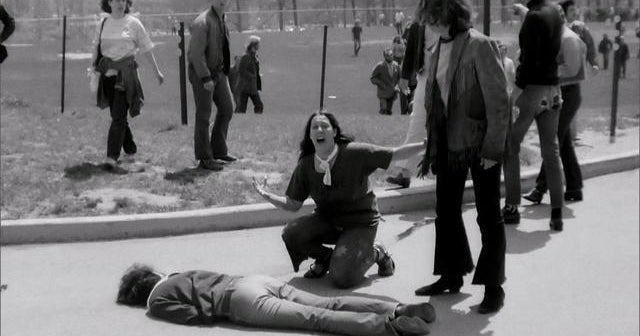
Photojournalism, the art of capturing powerful moments through the lens of a camera, is a unique blend of storytelling, artistry, and technical skill. This field not only documents the world around us but also shapes our understanding of events, cultures, and social issues. As we delve into the world of photojournalism, we explore the techniques, ethics, and profound stories that underscore this compelling profession.
The Essence of Photojournalism
At its core, photojournalism aims to convey information through images. It is a visual narrative that goes beyond mere documentation. Each photograph encapsulates emotions, contexts, and truths that words sometimes fail to express. Renowned photojournalist Steve McCurry, best known for his iconic “Afghan Girl” portrait, demonstrates how a single image can tell a complex story, transcending geographical boundaries and cultural differences.
Techniques of the Trade
The technical proficiency of a photojournalist is paramount. Mastery over camera settings, lighting, and composition is essential for capturing compelling images. Here are some fundamental techniques that shape the work of photojournalists:
- Understanding Light: The ability to manipulate natural and artificial light can dramatically alter the mood and message of an image. Photojournalists often shoot during golden hours—shortly after sunrise or before sunset—to leverage soft, diffused lighting.
- Composition: The rule of thirds, leading lines, and framing are vital compositional techniques that guide the viewer’s eye and emphasize the focal point of the photograph.
- Timing: Capturing the decisive moment is critical. Photojournalists must anticipate action and be ready to press the shutter at the exact right moment to convey the narrative effectively.
The Ethical Considerations
While the technical aspects are crucial, the ethical considerations in photojournalism are equally important. Photojournalists face the challenge of balancing truth and sensitivity. They must navigate complex situations, often exposing themselves to danger while ensuring that their images do not exploit those they photograph.
For instance, in conflict zones, photojournalists must decide when to intervene and when to remain an observer. The decision to photograph suffering can be fraught with moral implications. Ethical guidelines, such as those outlined by the National Press Photographers Association, emphasize the necessity for respect, integrity, and transparency.
Impact and Influence
The influence of photojournalism extends far beyond the immediate audience. Powerful images can mobilize communities, spark social movements, and even influence policy changes. The Black Lives Matter movement, for example, gained significant traction through compelling visual documentation of protests and injustices.
Moreover, platforms like Instagram and Twitter have revolutionized the dissemination of photojournalistic content, allowing images to reach global audiences in real-time. This democratization of media has enabled both professional and amateur photographers to contribute to the narrative of our times.
The Future of Photojournalism
As we look ahead, the future of photojournalism faces numerous challenges and opportunities. The rise of artificial intelligence and deepfake technology poses significant threats to the authenticity of visual media. However, these advancements also present new tools for photojournalists to enhance their storytelling capabilities.
Moreover, the demand for visual content continues to grow, driven by an increasingly digital world. This shift offers photojournalists the potential to explore innovative formats, such as immersive storytelling through virtual reality and interactive photo essays.
Conclusion
Behind the lens, photojournalists play a critical role in shaping our perception of reality. Their ability to freeze moments in time allows us to witness the world in ways that resonate deeply with our humanity. As this field evolves, the commitment to ethical storytelling and technical excellence remains paramount. The art and technique of photojournalism will undoubtedly continue to influence future generations, reminding us of the power of a single image to tell a story that words alone cannot convey.
See more BBC Travel World


