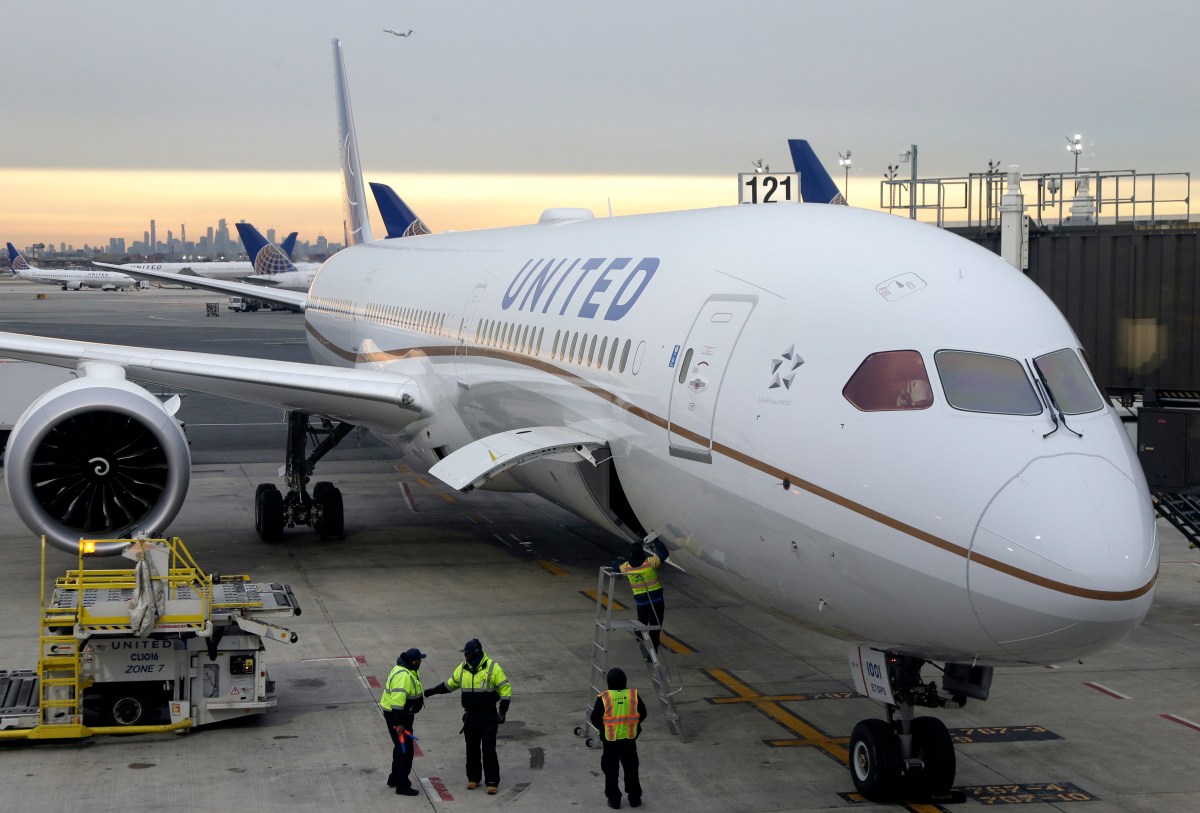
Pilot’s Passport Oversight Delays Los Angeles to Shanghai Flight
In a world where air travel has become a routine part of life, the importance of meticulous preparation remains paramount. A recent incident involving a flight from Los Angeles to Shanghai brought this to the forefront, highlighting how a single oversight—specifically, a pilot’s failure to bring his passport—can lead to significant delays and operational challenges for airlines. This event not only disrupted travel plans for numerous passengers but also raised questions about airline protocols and the implications of individual responsibility in the aviation industry.
The Incident: What Happened?
On a busy morning, passengers gathered at Los Angeles International Airport (LAX) for their scheduled flight to Shanghai. Excitement buzzed through the terminal as travelers looked forward to reaching their destination. However, shortly before boarding was set to commence, it was discovered that one of the pilots had forgotten his passport. This oversight triggered a cascade of events that ultimately delayed the flight by several hours.
The airline, following its standard procedures, had to ensure that all crew members had the necessary documentation to operate an international flight. As a result, the airline scrambled to find a replacement pilot with the appropriate documents. While the airline managed to arrange for a qualified substitute, the delay left passengers frustrated and anxious.
Understanding the Impact of Individual Oversight
This incident serves as a stark reminder of how individual actions can have far-reaching effects in a highly coordinated environment like air travel. The pilot’s oversight, while seemingly minor, not only disrupted the flight schedule but also affected the operational efficiency of the airline. Here are some key points to consider regarding the impact of such oversights:
- Passenger Disruption: Delays can lead to missed connections, increased travel costs, and overall dissatisfaction among passengers.
- Operational Challenges: Flight delays can create a ripple effect, impacting the schedules of multiple flights and leading to further complications for the airline.
- Financial Implications: Airlines may face financial penalties and additional operational costs due to delays, particularly if they result in compensation claims from frustrated passengers.
Airline Protocols and Best Practices
The incident also prompts a critical examination of airline protocols related to crew readiness and documentation checks. Airlines typically have stringent procedures in place to ensure that all crew members are prepared for their flights. However, this incident highlights the need for continuous improvement in these protocols. Here are some best practices that can help mitigate similar occurrences in the future:
- Pre-Flight Checklists: Implementing comprehensive checklists that include documentation verification can help ensure that all crew members have the necessary items before departure.
- Training and Awareness: Regular training sessions for flight crews can reinforce the importance of ensuring all required documents are in hand, fostering a culture of accountability.
- Backup Plans: Developing robust contingency plans can minimize the impact of unforeseen circumstances, such as a crew member’s oversight.
Lessons Learned from the Flight Delay
While delays are an unfortunate aspect of air travel, they also provide valuable opportunities for learning and growth within the aviation sector. Here are some lessons that can be drawn from this particular incident:
- Importance of Personal Responsibility: Each crew member must take personal responsibility for their readiness and preparation for flights. A collaborative approach can enhance overall operational efficiency.
- Communication is Key: Clear communication between crew members and ground staff can help identify potential issues before they escalate into larger problems.
- Passenger Communication: Keeping passengers informed during delays can help alleviate frustration and maintain trust in the airline.
For passengers, experiencing a delay can be particularly frustrating. Travelers often have tight schedules, and unexpected disruptions can throw a wrench in their plans. Here are some tips for passengers to navigate through delays:
- Stay Informed: Keep an eye on flight status updates through the airline’s app or website. Being informed can help you plan your next steps.
- Know Your Rights: Familiarize yourself with airline policies regarding delays and cancellations. Understanding your rights can empower you to advocate for yourself.
- Utilize Airport Amenities: Many airports offer lounges, dining options, and shopping, so take the opportunity to make the most of your time while waiting.
Conclusion: Moving Forward with Optimism
While the pilot’s passport oversight delayed the Los Angeles to Shanghai flight, it serves as a reminder of the interconnectedness of individual actions and broader operational protocols in the airline industry. As the aviation sector continues to evolve, incidents like this can lead to improvements in practices and policies that enhance the travel experience for everyone involved.
In the end, optimizing procedures and fostering a culture of accountability can help prevent such oversights in the future. Passengers can remain optimistic, knowing that airlines are continually working toward improving their systems and ensuring that air travel remains a reliable and enjoyable mode of transportation.
See more BBC Travel World


