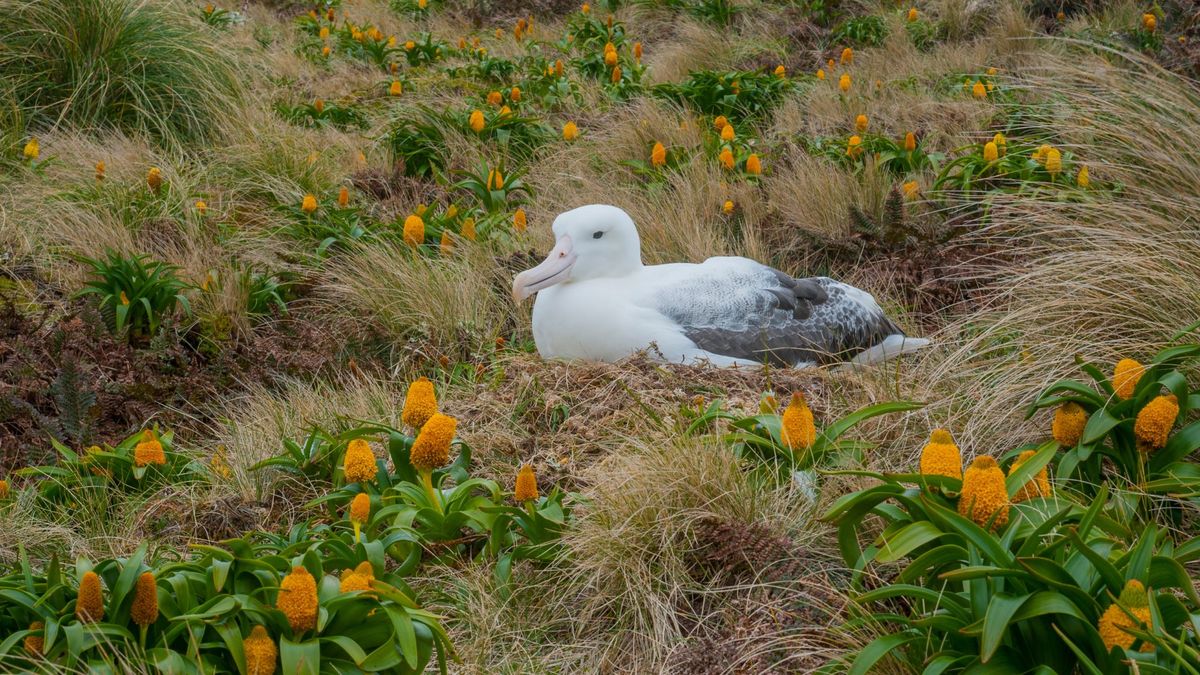
Discovering the Enigmatic Subantarctic Islands: Nature’s Untamed Paradise
Far south of New Zealand lies a chain of remote, wild islands where nature reigns supreme. The Subantarctic Islands, a UNESCO World Heritage Site, offer an untouched sanctuary for some of the planet’s most unique wildlife and plant species. These islands—including the Snares, Auckland, Campbell, and Antipodes—captivate scientists and adventurers with their rugged beauty, extreme climates, and thriving ecosystems. Here, millions of seabirds nest, rare marine mammals breed, and flora found nowhere else on Earth flourishes. Yet, due to their isolation and protected status, few humans have witnessed their splendor firsthand.
A Biodiversity Hotspot at the Edge of the World
The Subantarctic Islands boast one of the highest concentrations of endemic species globally. Researchers estimate that over 40% of the plants and invertebrates here exist nowhere else. The islands serve as critical breeding grounds for:
- Seabirds: 5 million+ albatrosses, petrels, and penguins nest annually
- Marine mammals: Southern right whales, elephant seals, and sea lions populate the waters
- Unique flora: Megaherbs with giant leaves adapted to harsh conditions
“These islands function like a time capsule,” explains Dr. Eleanor Shaw, a marine biologist with 15 years of Subantarctic research experience. “They show us what coastal ecosystems looked like before human interference. The density of life here rivals the Galápagos, yet receives a fraction of the attention.”
The Extreme Environments That Shape Life
Located between 47° and 52° south latitude, the islands endure relentless winds, frequent rainfall, and temperatures rarely exceeding 10°C (50°F). This harsh climate creates specialized adaptations:
- Plants grow low to the ground to avoid wind damage
- Seabirds develop dense waterproof plumage
- Insects evolve flightlessness due to constant breezes
Meteorological data reveals the islands experience gale-force winds over 100 days per year. Paradoxically, these challenging conditions foster remarkable biodiversity by limiting human settlement and invasive species.
Conservation Challenges in a Changing Climate
Despite their isolation, the Subantarctic Islands face growing threats. Climate change has increased sea temperatures by 1.2°C since 1980, altering marine food webs. Meanwhile, fishing vessels sometimes illegally enter protected waters, risking bycatch of albatrosses.
“We’re seeing concerning shifts in penguin populations,” notes conservation manager Mark Renwick. “While some species adapt, others like the erect-crested penguin have declined 70% in 25 years. Their survival depends on maintaining this fragile balance.”
New Zealand’s Department of Conservation implements strict biosecurity measures:
- All visitors must disinfect gear to prevent invasive species
- Only 600 tourists annually can visit select islands
- Drones and sampling are prohibited without special permits
Scientific Discoveries Rewriting Textbooks
Ongoing research continues to reveal the islands’ secrets. In 2022, scientists discovered three new insect species on the Antipodes Islands. Meanwhile, botanists recently documented how megaherbs use fluorescent pigments to protect against UV radiation—a finding with potential medical applications.
The islands also serve as a crucial climate barometer. Ice core samples from Campbell Island provide a 700-year record of atmospheric changes, helping model future scenarios.
Visiting the Last True Wilderness
For the fortunate few who journey here, the experience proves transformative. Expedition ships from Bluff, New Zealand offer 10-14 day voyages during the austral summer (November-February). Visitors might witness:
- Royal albatross with 3-meter wingspans soaring past cliffs
- Sea lion pups learning to swim in sheltered coves
- Rare yellow-eyed penguins—the world’s rarest—returning to nests
“Nothing prepares you for the sensory overload,” describes veteran guide Sarah Chen. “The sounds, smells, and sheer abundance of life make you feel like you’ve stepped into a nature documentary.”
Protecting the Subantarctic Islands for Future Generations
As climate pressures mount, conservationists advocate for expanded protections. Proposed measures include:
- Creating larger marine buffer zones around island groups
- Funding additional predator eradication programs
- Developing global partnerships for climate resilience research
The Subantarctic Islands stand as both a warning and an inspiration—demonstrating nature’s fragility and resilience simultaneously. For those committed to preserving Earth’s last wild places, supporting conservation organizations represents our best hope for safeguarding this unparalleled ecosystem.
To learn how you can contribute to Subantarctic conservation efforts, visit the New Zealand Department of Conservation’s marine protection initiative.
See more BBC Travel World


