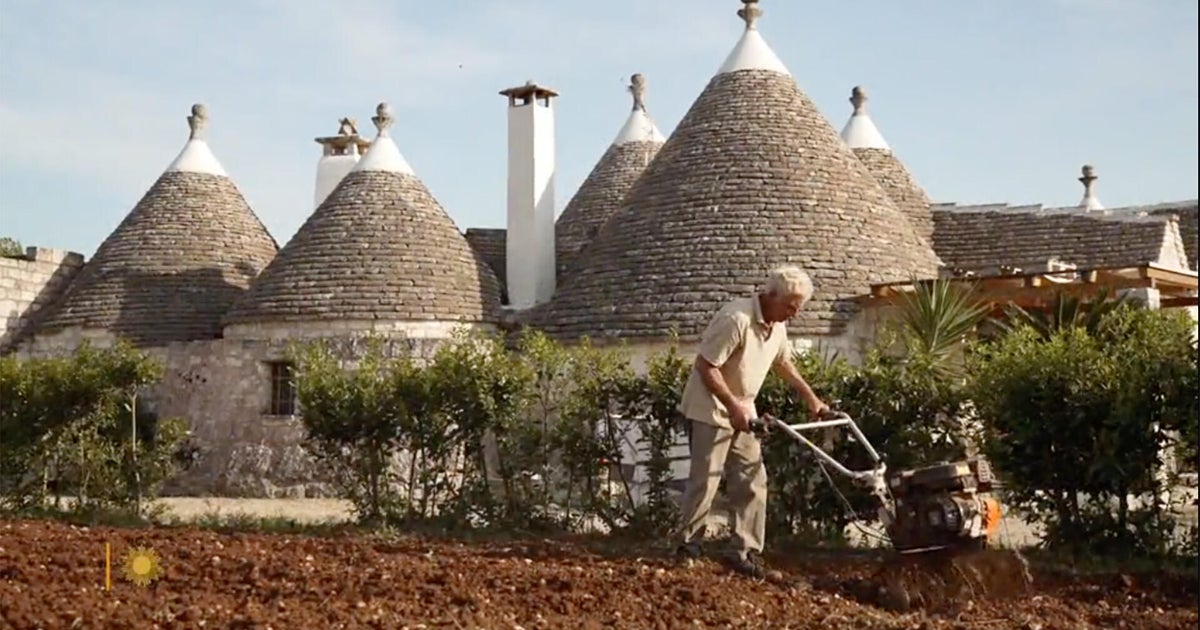
Unveiling the Timeless Charm of Italy’s Trulli: A Journey Through History
Nestled in the sun-drenched region of Puglia, Italy’s iconic trulli stand as a testament to centuries of architectural ingenuity and cultural resilience. These distinctive whitewashed stone dwellings, recognized as a UNESCO World Heritage Site since 1996, continue to captivate visitors with their conical roofs and mysterious symbols. Built primarily between the 14th and 19th centuries, trulli originated as practical agricultural shelters but have evolved into cherished symbols of Italian heritage, drawing over 2 million tourists annually to the Alberobello region alone.
The Architectural Marvel of Trulli Construction
What makes trulli truly remarkable is their dry-stone construction technique—a method requiring no mortar. Skilled craftsmen stacked local limestone slabs in concentric circles, creating the signature conical roofs that deflect rainwater efficiently. “The trullo’s design is a masterpiece of passive climate control,” explains Dr. Elena Moretti, a heritage architect at the University of Bari. “The thick stone walls insulate against Puglia’s scorching summers, while the interior chambers maintain stable temperatures year-round.”
Key features of traditional trulli include:
- Double-walled construction for temperature regulation
- Pinnacle decorations reflecting the builder’s signature
- Symbolic whitewashed roof paintings (often religious or zodiacal)
- Interior niches serving as natural refrigerators
Recent studies by the Puglia Cultural Heritage Office reveal that approximately 1,500 original trulli remain intact, with 80% concentrated in the Valle d’Itria. Restoration efforts between 2020-2023 have preserved 120 endangered structures through a €4.2 million EU-funded initiative.
From Peasant Dwellings to Cultural Icons
The trulli’s history is as layered as their stone walls. Originally built as temporary shelters to evade 15th-century property taxes, these structures became permanent homes for farming communities. “The trulli tell a story of peasant ingenuity against feudal oppression,” notes historian Marco De Santis. “What began as a tax loophole—buildings that could be quickly dismantled before inspectors arrived—became a cherished way of life.”
By the 18th century, trulli villages like Alberobello (home to 1,600 trulli) had developed complex communities. The 2023 Alberobello Tourism Report shows that:
- 63% of visitors cite trulli architecture as their primary reason for visiting
- Authentic trulli stays generate €28 million annually in local revenue
- 75% of restored trulli now serve as boutique hotels, museums, or artisan workshops
Preserving Tradition in a Modern World
As Puglia’s tourism surges—with a 17% increase in international visitors in 2023—balancing preservation with commercialization poses challenges. Traditional trullo construction techniques were added to UNESCO’s Intangible Cultural Heritage list in 2022, prompting stricter conservation guidelines. “We’re training a new generation of trullari (trulli builders),” says master craftsman Giuseppe Martino. “Only 23 certified practitioners remain, but our apprenticeship program has enrolled 18 students since 2021.”
Modern adaptations have sparked debate. While some praise innovative uses like trulli wine bars and bookshops, purists argue commercial ventures dilute authenticity. A 2023 survey by Italia Nostra found:
- 58% of locals support adaptive reuse of vacant trulli
- 32% believe only traditional residential use should be permitted
- 10% advocate for trulli to become protected museum pieces
The Future of Italy’s Living Heritage
Looking ahead, climate change presents new threats. Rising humidity levels accelerate limestone erosion, with studies predicting a 40% increase in restoration needs by 2030. However, innovative solutions are emerging. The Trulli 4.0 Project (2024-2026) will test nano-coatings to protect ancient stones while maintaining breathability.
For travelers seeking authentic experiences, options abound:
- Stay in a family-owned trullo through certified heritage programs
- Attend summer stone-laying workshops in Martina Franca
- Explore the Trulli of Silence route—lesser-known clusters in Locorotondo
As the sun sets over Alberobello’s skyline, the trulli continue their silent vigil—whispers of history in stone. Their survival depends on valuing tradition while embracing thoughtful evolution. For those enchanted by these architectural wonders, supporting responsible tourism ensures future generations can marvel at their timeless charm. Plan your visit during spring or fall to avoid crowds and experience trulli culture at its most authentic.
See more BBC Travel World


