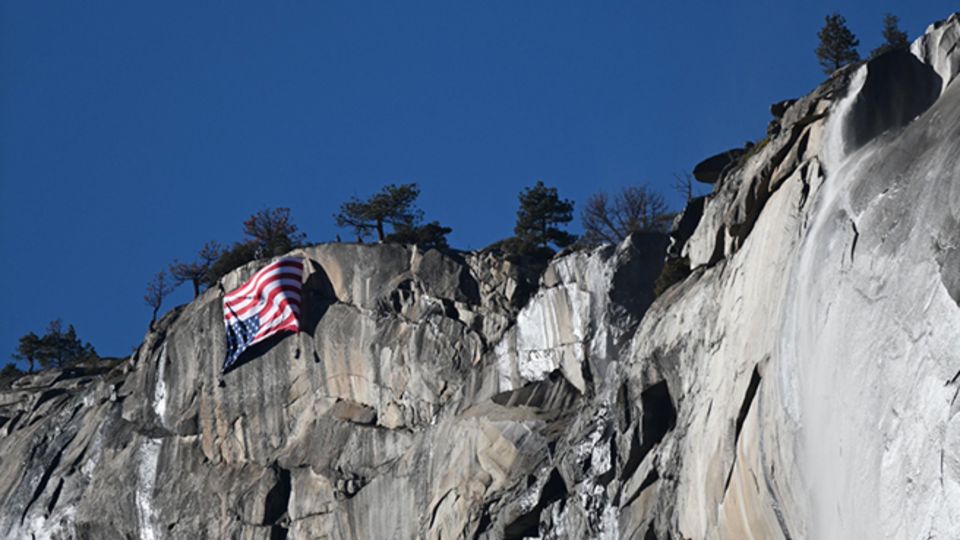
The Symbolism Behind the Upside-Down Flag in Yosemite National Park
Recently, an upside-down American flag was displayed in Yosemite National Park, capturing the attention of visitors and igniting conversations about its profound symbolism. This provocative gesture raises important questions about patriotism, protest, and the complex relationship Americans have with their national identity, especially in the context of cherished natural landscapes like Yosemite.
The Historical Context of the Upside-Down Flag
The upside-down flag has a long-standing history in the United States. Traditionally, it serves as a signal of distress or an emergency situation. According to the U.S. Flag Code, displaying the flag upside-down is a way to indicate that something is deeply wrong. This practice has been observed in various contexts, from wartime to civil unrest, and it has often been employed by activists to express dissent against governmental policies or societal issues.
In the case of the upside-down flag in Yosemite, the display could be interpreted as a critique of environmental policies, a commentary on climate change, or a broader statement about national values. Given Yosemite’s status as a national treasure and a symbol of America’s natural beauty, the choice of this location amplifies the message significantly.
Yosemite National Park: A Symbol of Natural Heritage
Yosemite National Park, established in 1890, is not just a scenic getaway; it represents the American wilderness and the nation’s commitment to preserving natural landscapes. The park is home to iconic landmarks like El Capitan and Half Dome, drawing millions of visitors annually who seek to connect with nature. This connection to the land is deeply rooted in American culture, and any alteration or symbolic act within this space can evoke strong emotional responses.
Given its rich history and significance, the upside-down flag serves as a stark contrast to the park’s tranquil environment, prompting visitors to reflect on the current state of the nation and its commitment to environmental stewardship.
The Layers of Meaning: Patriotism and Protest
At its core, the upside-down flag in Yosemite frames a dialogue about what it means to be patriotic in today’s America. Many view the act as a form of protest, suggesting that the nation is in distress due to various social, political, or environmental crises. In a time when climate change poses an existential threat to ecosystems worldwide, the flag’s upside-down position can symbolize a call to action—a plea for the nation to prioritize environmental protection and sustainable practices.
Moreover, this act can also be interpreted as a challenge to traditional notions of patriotism. While some may argue that displaying the flag upside-down is disrespectful, others contend that true patriotism involves holding the country accountable for its failures. This perspective encourages citizens to engage critically with national policies and advocate for change, especially when it comes to issues like climate change and social justice.
Public Reactions and Discussions
The display of the upside-down flag in Yosemite has certainly not gone unnoticed, sparking diverse reactions from the public. Some visitors express outrage, interpreting the act as a blatant disrespect for the flag and what it represents. Others, however, resonate with the message, viewing it as an urgent reminder of the struggles facing the nation.
- Supporters of the display argue:
- It highlights pressing issues like climate change that threaten national parks.
- It reflects a deeper concern for the future of the environment.
- It embodies a form of patriotic dissent that encourages discourse.
- Opponents of the display maintain:
- It tarnishes the respect and honor associated with the American flag.
- It detracts from the natural beauty and peace that Yosemite represents.
- It could alienate those who may not understand the underlying message.
The emotional responses to the flag’s display illustrate the complexities of national identity and the multitude of ways Americans engage with their heritage and the natural world.
Symbolism and Environmental Activism
The upside-down flag can also be viewed through the lens of environmental activism. As climate change continues to threaten ecosystems, activists have increasingly utilized symbolic gestures to draw attention to these issues. The choice of Yosemite—a symbol of natural beauty—underscores the urgency of protecting these spaces for future generations.
Many environmentalists argue that iconic locations like Yosemite serve as a reminder of what is at stake. As deforestation, pollution, and climate change persist, the need for activism becomes more pressing. In this context, the upside-down flag acts as a rallying cry, urging individuals to take responsibility for the planet and advocate for sustainable practices.
Conclusion: A Call for Reflection
The symbolism behind the upside-down flag in Yosemite National Park transcends mere protest; it beckons a deeper reflection on patriotism, environmental stewardship, and national identity. As visitors gaze upon this provocative display, it serves as a powerful reminder of the challenges facing the nation and the planet. It invites dialogue about what it means to be a patriot in contemporary America, urging individuals to consider their role in shaping the future.
In the end, Yosemite stands not only as a testament to the beauty of nature but also as a canvas for the complex narratives that define modern American identity. As discussions continue to unfold, one thing remains clear: the upside-down flag has sparked a renewed commitment to engage with both the land and the values it represents.
See more BBC Travel World


