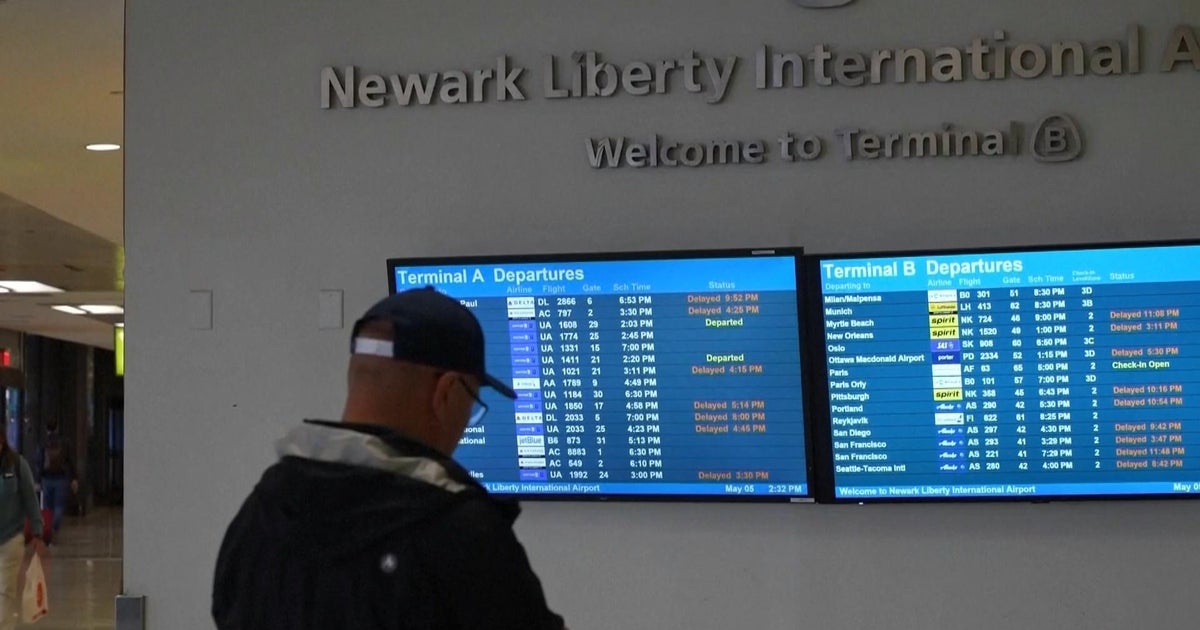
Unraveling the Chaos: Newark Airport’s Air Traffic Control Challenges
Newark Liberty International Airport (EWR), one of the nation’s busiest travel hubs, faces mounting delays due to chronic air traffic control (ATC) system inefficiencies and staffing shortages. Over 1,200 flights were delayed or canceled in July 2023 alone, disrupting travel plans for nearly 200,000 passengers. Aviation experts warn these issues reflect systemic problems in the Northeast Corridor’s aging infrastructure and workforce gaps.
The Perfect Storm: Why Newark’s Delays Are Worsening
Newark’s challenges stem from a confluence of factors that create bottlenecks in its airspace. The airport operates within the nation’s most congested air corridor, handling over 400,000 flights annually. According to FAA data, EWR’s on-time departure rate plummeted to 63% in Q2 2023—15 percentage points below the national average.
“Newark’s airspace design hasn’t kept pace with its traffic volume,” explains former FAA administrator Michael Collins. “When you combine outdated routing protocols with staffing shortages, even minor weather events trigger cascading delays.” The airport’s proximity to New York’s other major airports (JFK and LaGuardia) compounds these issues, creating complex coordination challenges.
Staffing Shortages Reach Critical Levels
The National Air Traffic Controllers Association (NATCA) reports Newark’s TRACON facility, which manages regional airspace, operates with just 78% of its authorized staff. Critical overnight shifts frequently run with skeleton crews. Controllers describe harrowing working conditions:
- Mandatory overtime averaging 60-hour weeks
- 10% of positions vacant for over 18 months
- New hires requiring 2-3 years of training
“We’re constantly playing catch-up,” shares a veteran controller who requested anonymity. “When thunderstorms hit, the system buckles because we lack the personnel to implement proper flow controls.” FAA hiring initiatives have fallen short, with only 12 new controllers assigned to Newark in 2023 despite 32 retirements.
Technological Limitations Compound Problems
While major airports like Atlanta and Dallas have modernized with NextGen ATC systems, Newark still relies on radar technology from the 1990s. Key limitations include:
- Precision runway monitoring gaps during low visibility
- Manual coordination with neighboring facilities
- Limited data-sharing between airlines and ATC
Aviation consultant Rachel Torres notes, “The FAA’s $3.5 billion modernization program prioritized less congested regions first. Newark’s complex airspace needs urgent upgrades, but implementation keeps getting delayed.” Flight tracking data shows the average Newark delay now exceeds 90 minutes during peak periods—double 2019 levels.
Passenger Impact and Economic Ripple Effects
Travelers bear the brunt of these systemic failures. Business traveler Mark Williams recounts, “My last three Newark connections were canceled. The airline blamed ATC, but no one explains how to prevent this.” The disruptions create wider economic consequences:
- $25 million in lost productivity daily (Port Authority estimate)
- 15% increase in overnight hotel stays near the airport
- Growing preference for Philadelphia and Boston alternatives
Regional carriers face particular strain. “Our Newark routes now require 30% more buffer time,” explains Republic Airways COO Lisa Yang. “That means fewer daily rotations and higher costs passed to consumers.”
Path Forward: Solutions on the Horizon?
The FAA’s 2023 Northeast Corridor Plan proposes several remedies, including:
- Accelerated hiring with $18 million for Newark-specific recruitment
- Interim technology upgrades by Q2 2024
- Revised airspace design to reduce NY/NJ conflicts
However, aviation attorney David Klein remains skeptical: “These are Band-Aid solutions. We need congressional action to fund proper infrastructure—not just stopgap measures.” The upcoming FAA reauthorization bill may provide opportunities for systemic reform.
For now, passengers should brace for continued disruptions. Travelers can mitigate impacts by:
- Booking early morning flights (least delay-prone)
- Allowing minimum 2-hour connections
- Monitoring FAA System Command Center updates
As summer travel peaks, all eyes remain on whether Newark’s air traffic control challenges will spur meaningful change or further erode confidence in the region’s aviation infrastructure. The airport’s struggles serve as a microcosm of broader U.S. aviation system vulnerabilities demanding urgent attention.
See more BBC Travel World


