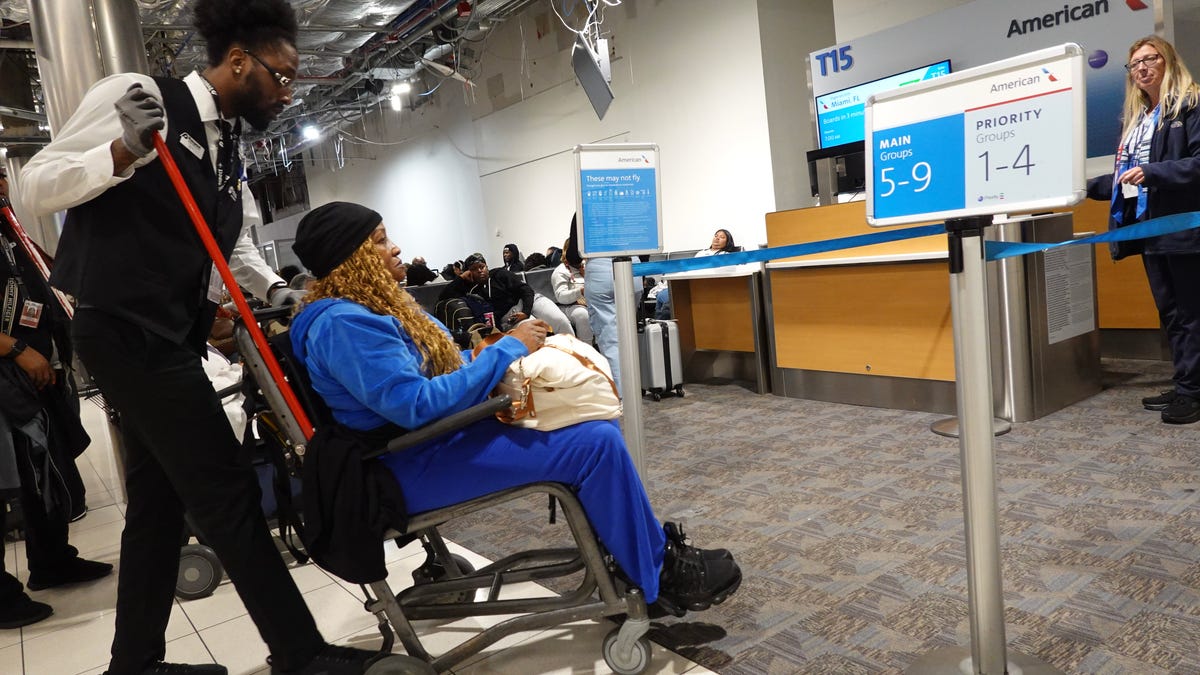
Airlines Push Back: The Battle Over Disability Protections Takes Flight
In a controversial move, major airlines are seeking to overturn regulations designed to protect the rights of disabled passengers. This ongoing debate raises questions about accessibility and the future of air travel for those with disabilities. As the aviation industry grapples with the implications of these regulations, many disabled individuals are left wondering what this means for their travel experiences. The fight over disability protections in the airline industry highlights the ongoing struggle for equality and the rights of the disabled community.
The Context of Disability Protections in Air Travel
Air travel has long been a critical aspect of modern mobility, offering individuals the ability to traverse vast distances in a matter of hours. However, for passengers with disabilities, the journey can often present unique challenges. Recognizing the need for equal access, various regulations have been established to ensure that airlines accommodate individuals with disabilities. The Air Carrier Access Act (ACAA) of 1986 was a pioneering move in this regard, mandating that air carriers provide accessible services to passengers with disabilities.
Despite these regulations, the landscape of air travel has evolved, prompting airlines to re-evaluate their obligations. Recent trends indicate that major airlines are pushing back against certain provisions of the ACAA, claiming that compliance is burdensome and costly. This has sparked a heated debate that intertwines issues of accessibility, economic viability, and the rights of disabled travelers.
Understanding the Airlines’ Perspective
Airlines argue that the regulations set forth by the ACAA impose significant operational challenges. These challenges often include:
- Increased Costs: Airlines claim that implementing necessary accommodations, such as specialized training for staff and modifications to aircraft, can strain their financial resources.
- Operational Complexity: Managing the logistics of accommodating disabled passengers can complicate flight operations, especially during peak travel times.
- Liability Concerns: Airlines express concerns regarding potential legal liabilities associated with failing to meet the stringent requirements of disability regulations.
Amidst these challenges, some airlines advocate for a reevaluation of the current regulations, suggesting that a more flexible framework could better serve both the airlines and the disabled community. They contend that collaboration between airlines and advocacy groups is essential to create a balanced approach that addresses the needs of all stakeholders.
The Impact on Disabled Passengers
While airlines present their case, the implications for disabled travelers remain profound. Many individuals with disabilities rely on air travel to access essential services, visit family, or pursue leisure activities. The potential rollback of protections raises several concerns:
- Accessibility: A reduction in obligations may lead to a decrease in the quality of services provided to disabled passengers, exacerbating existing barriers to travel.
- Discrimination: The fear of discrimination looms large, as disabled travelers may find themselves at a disadvantage if airlines are not held accountable to the same standards of accessibility.
- Quality of Experience: The overall travel experience for disabled individuals may deteriorate, impacting their ability to travel with dignity and comfort.
One traveler, Jane Doe, shared her experience: “Flying has always been a challenge for me due to my mobility issues. The current regulations ensure that I have access to the assistance I need. If those protections are rolled back, I fear I won’t be able to travel at all.” Jane’s sentiments echo the concerns of many in the disabled community, emphasizing the importance of maintaining robust protections.
The Role of Advocacy Groups
In response to the airlines’ pushback, numerous advocacy groups have emerged, rallying support for the preservation and strengthening of disability protections. Organizations like the National Disability Rights Network (NDRN) and the American Association of People with Disabilities (AAPD) are at the forefront of this battle, working tirelessly to ensure that the voices of disabled individuals are heard.
These advocacy groups argue that the fight for disability rights is not just about compliance but about fundamentally recognizing the dignity and rights of all individuals. They emphasize the need for:
- Consistent Standards: Advocates call for clear, consistent standards that ensure all airlines meet the necessary requirements for accessibility.
- Increased Awareness: Raising awareness among airline staff and the general public about the importance of accommodating disabled travelers is crucial.
- Legislative Support: Continued legislative support is necessary to protect and expand the rights of disabled passengers in air travel.
Finding Common Ground
As the debate intensifies, it is essential to find common ground between airlines and the disabled community. Open dialogue and collaboration can pave the way for innovative solutions that address the concerns of both parties. Possible approaches include:
- Stakeholder Meetings: Regular meetings between airline representatives and disability advocates can foster understanding and lead to practical solutions.
- Pilot Programs: Implementing pilot programs that test new approaches to accessibility can provide valuable insights into what works and what doesn’t.
- Public Awareness Campaigns: Educating the public about the importance of accessibility can help shift public perception and encourage a more inclusive travel culture.
The Future of Air Travel for Disabled Passengers
The ongoing battle over disability protections in the airline industry highlights a critical juncture in the fight for equality. As airlines push back against regulations, it is crucial to remain vigilant and advocate for the rights of disabled travelers. The future of air travel for individuals with disabilities depends on a collective effort to ensure that accessibility remains a priority.
In conclusion, while the challenges posed by the airlines are significant, the resolve of the disabled community and their advocates is unwavering. By fostering collaboration and understanding, we can work towards a future where air travel is accessible to everyone, regardless of their abilities. The journey to equality in air travel continues, and it is a journey that we must all undertake together.
See more BBC Travel World


