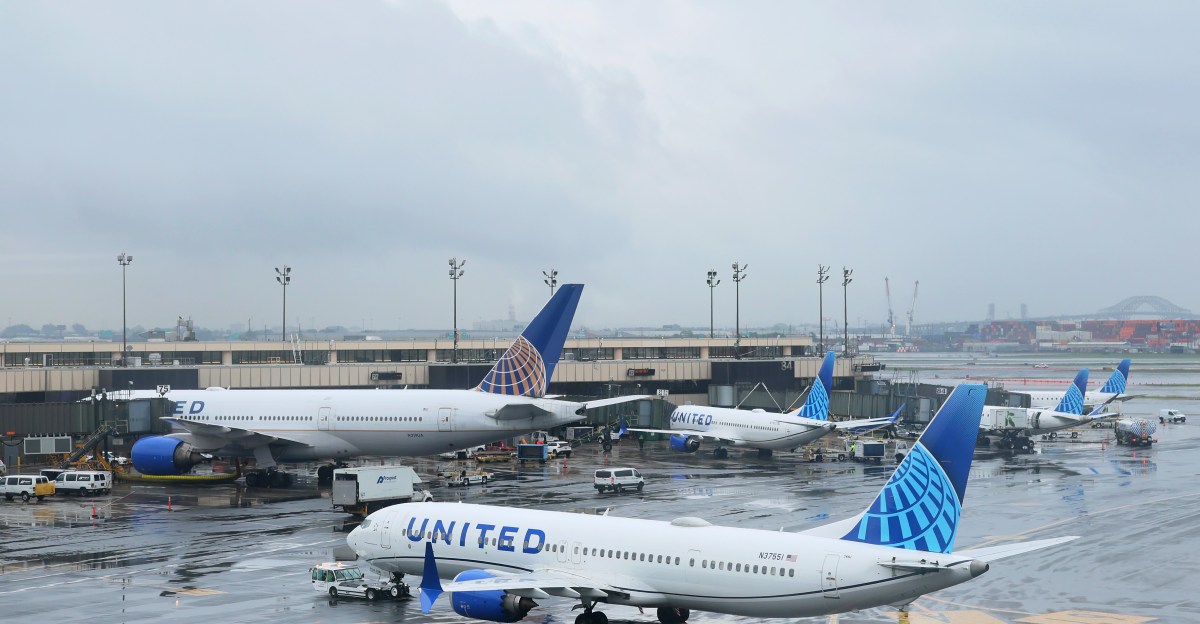
Pushing Limits: The Unseen Strain on Our Aviation System
Global air travel has rebounded to record highs in 2024, surpassing pre-pandemic levels and placing unprecedented pressure on an already fragile aviation infrastructure. Airlines, airports, and air traffic control systems worldwide are grappling with staffing shortages, aging technology, and climate-related disruptions. As passenger numbers soar—projected to hit 4.7 billion this year—experts warn the industry is nearing a breaking point without systemic reforms.
The Perfect Storm: Factors Overwhelming Aviation Infrastructure
The aviation sector faces a confluence of challenges. The International Air Transport Association (IATA) reports a 20% increase in flight delays since 2022, with 45% attributed to air traffic control (ATC) bottlenecks. “We’re operating at 110% capacity with 85% of the resources needed,” says aviation analyst Laura Chen. “Runways, gates, and ATC systems weren’t designed for this volume.”
Key stressors include:
- Staffing gaps: The FAA estimates a 15% deficit in air traffic controllers across U.S. hubs, while Europe faces a 40,000-pilot shortage by 2027.
- Technology lag: 60% of global ATC systems rely on radar-based tracking from the 1990s, per Eurocontrol.
- Climate pressures: Rising turbulence incidents (up 55% since 2000) and extreme heat grounding flights (like Phoenix’s 50+ 120°F days in 2023) compound delays.
The Human Cost: Passengers and Workers Bear the Brunt
Travelers endured 5.4 million delayed bags and 1.2 million canceled flights globally in 2023—a 28% spike from 2019. “It’s not just inconvenience; it’s safety risks,” warns Captain Mark Reynolds, a 30-year commercial pilot. “Fatigued crews and overworked controllers increase near-miss events, which rose 25% last year.”
Airport workers also face untenable conditions. A 2024 MIT study found baggage handlers and ground crews working 60% faster than in 2019, with injury rates up 33%. “We’re seeing burnout across every role,” notes Reynolds.
Innovations Offering Hope for Aviation’s Future
Some airports are adopting AI-driven solutions:
- Predictive analytics: London Heathrow’s AI system reduced taxi times by 20%, cutting 15,000 tons of CO2 annually.
- Automated towers: Remote-controlled ATC towers, like those in Sweden, handle 50% more flights with 30% fewer errors.
- Sustainable fuels: United’s 2023 test of 100% biofuel flights showed a 60% emissions drop, though costs remain prohibitive.
However, Chen cautions: “Tech alone won’t fix this. We need global standards—like modernizing ICAO’s 1944 framework—and $1.2 trillion in infrastructure investment by 2030.”
Balancing Growth With Sustainability
While low-cost carriers drive demand (Asia-Pacific traffic grew 17% in Q1 2024), environmental concerns loom. Aviation contributes 2.5% of global CO2 emissions—a share that could triple by 2050 without intervention. “We must decouple growth from emissions through radical efficiency,” urges climate scientist Dr. Amina Khoury. Her research shows optimized flight paths could save 12 million tons of fuel yearly.
Controversially, France’s 2024 ban on short-haul flights where train alternatives exist reduced regional emissions by 18%. Similar proposals are debated in Germany and California.
The industry stands at a crossroads. Without coordinated action, analysts predict a 40% surge in delays by 2030. Yet solutions exist: accelerated NextGen ATC rollout, workforce pipelines, and public-private partnerships like Denver’s $2.3 billion terminal expansion.
“This isn’t just about smoother travel,” concludes Chen. “It’s about preserving aviation’s role in global connectivity while meeting climate goals.” For travelers, the message is clear: advocate for smarter policies and prepare for evolving norms—from dynamic pricing to modal shifts—as the sector adapts to its new altitude.
Stay informed about aviation policy changes by subscribing to industry newsletters or contacting your representatives to support infrastructure modernization bills.
See more BBC Travel World


