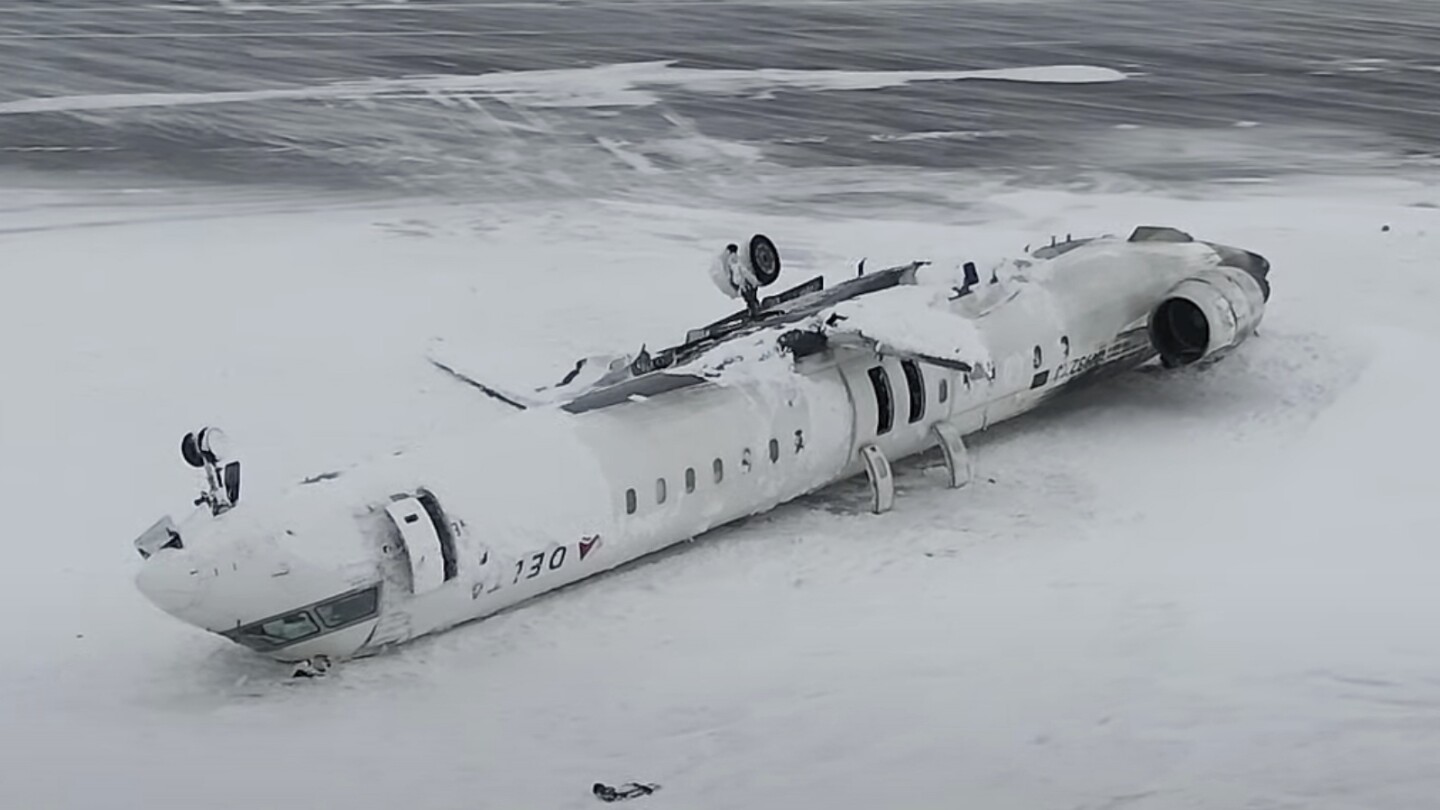
The Unseen Danger: Why Airlines Allow Kids to Fly Without Their Own Seats
Flying has become an integral part of modern life, allowing families to traverse vast distances with relative ease. However, as air travel has evolved, so too have the policies surrounding the safety of children onboard. Despite widespread consensus on the safety of children flying in their own seats, airline policies often do not mandate this practice. This article explores the reasons behind this discrepancy and the implications it has for child safety in air travel.
The Current Landscape of Airline Policies
Many parents are surprised to learn that airlines often permit children under the age of two to fly without their own seats. Instead, they can sit on a parent’s lap for the duration of the flight. This practice is not only common but is also sanctioned by regulatory bodies in various countries. For instance, in the United States, the Federal Aviation Administration (FAA) has guidelines that allow for this arrangement. However, these guidelines do not reflect a universal best practice regarding child safety.
- Lap Children: Generally defined as children under the age of two, lap children can travel without their own ticket, provided they sit on a guardian’s lap.
- Seat Requirements: While some airlines encourage parents to purchase separate seats for children, it remains a personal choice rather than a regulatory requirement.
The Safety Debate
One of the critical arguments against allowing children to fly without their own seats is the safety aspect. Research indicates that during turbulence or in the event of a crash, unrestrained children are at a higher risk of injury. A study from the National Transportation Safety Board (NTSB) revealed that children restrained in their own seats are significantly safer compared to those held in a parent’s arms.
Despite this evidence, airlines continue to face pressure from families to offer more flexible options. The higher cost of purchasing an additional seat can deter families from doing so. Additionally, many parents feel comfortable holding their children, especially on shorter flights. This comfort, however, can cloud the potential dangers involved.
Economic Considerations
Airlines operate in a competitive environment where pricing significantly influences consumer behavior. Many families opt for budget airlines that offer lower fares, which often do not include the cost of an additional seat for children. The economic implications are substantial:
- Cost of Additional Seats: Purchasing an extra seat can add a significant expense to family travel, particularly for low-income families.
- Market Competition: Airlines often prioritize keeping ticket prices low to attract families, which can lead to compromises on safety regulations.
Alternatives and Recommendations
To bridge the gap between safety and affordability, several alternatives could be implemented:
- Child Safety Seats: Airlines could encourage or even mandate the use of FAA-approved child safety seats for children under a certain age. This would help ensure that children are safely secured during flights.
- Discounted Seats for Children: Offering significant discounts for children’s seats could encourage more families to opt for safer travel arrangements.
- Education and Awareness: Airlines can invest in educating parents about the dangers of lap travel and the benefits of utilizing child safety seats.
Global Perspectives on Child Safety in Air Travel
The policies regarding child travel vary widely across the globe. In many European countries, for instance, regulations are stricter regarding the use of seat belts and child restraints. The European Union Aviation Safety Agency (EASA) recommends that all children be properly restrained in an age-appropriate seat. This has led to a cultural shift where flying with children in their own seats is more the norm than the exception.
In contrast, some countries have minimal regulations concerning child safety in air travel. This discrepancy highlights the need for international dialogue and standardization regarding child safety policies. The aviation industry could benefit from a unified approach that prioritizes the safety of all passengers, especially the most vulnerable.
Personal Accounts and Experiences
Many parents can attest to the challenges and fears associated with flying with young children. One mother, Sarah, recounted her experience of flying with her two-year-old daughter:
“I remember being so nervous about turbulence. I held my daughter tightly in my lap, but every bump made me feel anxious. I wished I had the option to secure her in a seat designed for her safety.”
This sentiment is echoed by many who recognize the inherent risks of traveling with young children on their laps. Parents often find themselves torn between the desire to save money and the instinct to keep their children safe.
Conclusion: Advocating for Change
As air travel continues to evolve, it’s imperative that we advocate for policies that prioritize child safety. The current practice of allowing children to fly without their own seats poses significant risks that cannot be ignored. It’s time for airlines, regulatory bodies, and families to work together towards solutions that enhance safety without compromising convenience.
By fostering awareness, encouraging the use of child safety seats, and considering economic solutions that make flying safer for families, we can ensure that air travel is not only accessible but also secure for the youngest among us. The unseen dangers of flying with children on laps are real and deserve our attention, prompting a necessary conversation about how to improve air travel safety standards for everyone.
See more BBC Travel World


