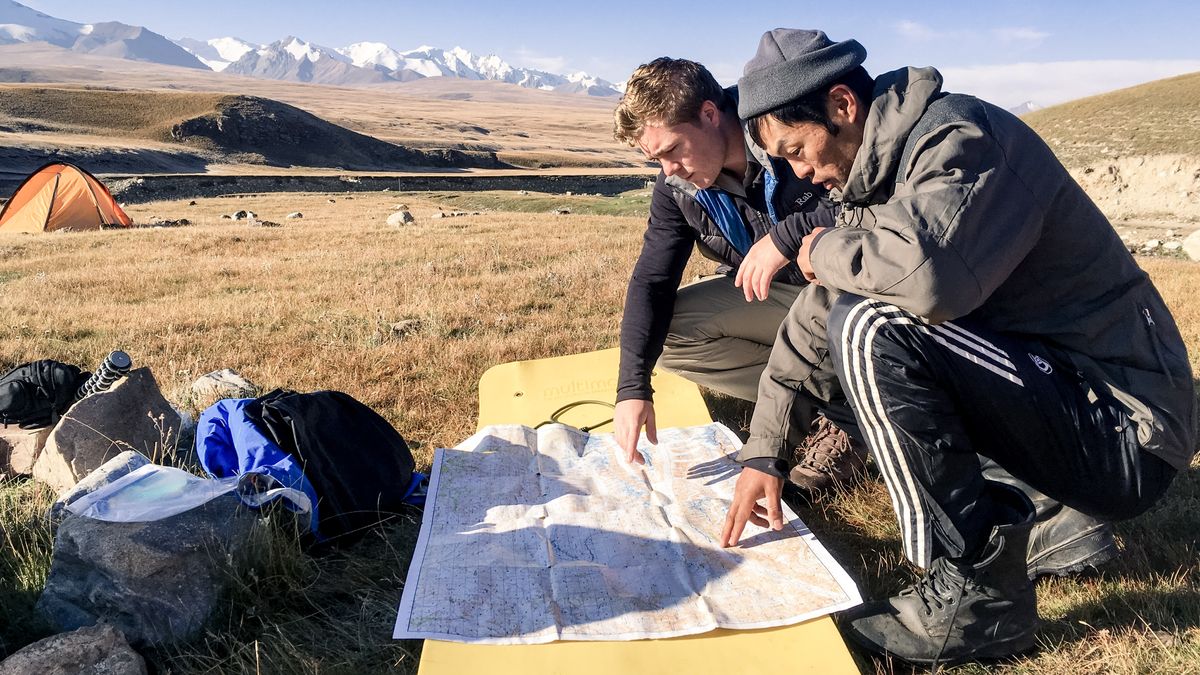
Transforming Travel: The Power of Community-Based Tourism
In an era where the travel industry is evolving at a breakneck speed, community-based tourism (CBT) emerges as a transformative force. By emphasizing authentic experiences and fostering genuine connections between visitors and local cultures, CBT holds the promise of not only enriching travel but also benefiting local economies significantly. This innovative approach to tourism is reshaping the landscape of travel, making it more sustainable and meaningful for all involved.
The Essence of Community-Based Tourism
Community-based tourism is not just a trend; it’s a paradigm shift in how people perceive and engage with travel. At its core, CBT seeks to involve local communities in the tourism experience, allowing for a deeper understanding of their culture, traditions, and way of life. Unlike traditional tourism, which often prioritizes profit over people, CBT focuses on creating a mutually beneficial relationship between travelers and communities.
In CBT, visitors become participants rather than mere spectators. They engage in local activities, from cooking classes and artisan workshops to guided nature walks and cultural performances. This immersive experience fosters a sense of connection and respect between travelers and hosts, creating lasting memories and enriching both parties.
Benefits to Local Economies
The impact of community-based tourism on local economies can be profound. Here are several ways CBT contributes to economic development:
- Job Creation: CBT initiatives often lead to the creation of jobs within communities, from tour guides and hospitality staff to artisans and farmers. This provides a stable source of income for local families.
- Support for Local Businesses: As travelers seek authentic experiences, they often prefer to buy from local vendors, eat at family-owned restaurants, and stay in community-run accommodations. This influx of visitors helps stimulate local economies.
- Diversified Income Sources: CBT allows communities to diversify their income sources, reducing reliance on traditional industries such as agriculture or fishing, which can be vulnerable to market fluctuations.
- Investment in Infrastructure: Increased tourism can lead to investments in local infrastructure, such as roads, sanitation, and healthcare, benefiting the entire community.
Fostering Cultural Exchange
One of the most enriching aspects of community-based tourism is the cultural exchange it fosters. Travelers gain insights into the daily lives of local people, while communities have the opportunity to share their heritage, stories, and traditions. This exchange promotes understanding and tolerance, breaking down stereotypes and building bridges between diverse cultures.
For example, initiatives like homestays allow travelers to live with local families, offering a firsthand glimpse into their customs and lifestyles. Such experiences can be eye-opening, often transforming preconceived notions about a place and its people. Through storytelling, music, dance, and culinary traditions, hosts can share their identity, leading to a mutual appreciation that transcends borders.
Environmental Sustainability
Community-based tourism often emphasizes the importance of environmental stewardship. By involving locals in tourism planning and operations, CBT initiatives are more likely to incorporate sustainable practices that protect natural resources and wildlife. Here’s how CBT contributes to environmental sustainability:
- Conservation Efforts: Local communities often have a vested interest in preserving their environment. CBT can support conservation initiatives, such as wildlife protection and habitat restoration, by providing funding and raising awareness.
- Responsible Tourism Practices: CBT encourages travelers to adopt responsible behaviors, such as minimizing waste, respecting wildlife, and supporting eco-friendly businesses.
- Sustainable Resource Management: Communities can implement sustainable practices in agriculture, fishing, and forestry, ensuring that their resources are maintained for future generations.
The Role of Technology in CBT
In today’s digital age, technology plays a crucial role in the success of community-based tourism. Online platforms and social media have made it easier for communities to market their tourism offerings directly to travelers. This democratization of information allows smaller communities to compete with larger tourist destinations. Here are a few ways technology enhances CBT:
- Online Visibility: Community-run websites and social media profiles can showcase local experiences, attracting travelers who seek authenticity over mass tourism.
- Booking Platforms: Technology enables communities to set up booking systems that allow tourists to reserve accommodations, tours, and activities directly, ensuring that a higher percentage of funds remain within the community.
- Virtual Tours: In response to the pandemic, many communities began offering virtual experiences, allowing travelers to engage with cultures from the comfort of their homes and potentially inspiring future visits.
Challenges Facing Community-Based Tourism
Despite its many benefits, community-based tourism is not without challenges. It’s essential to address these concerns to ensure that CBT can thrive sustainably:
- Overtourism: If not managed properly, CBT can lead to overtourism, which may strain local resources and disrupt the community’s way of life.
- Dependence on Tourism: Communities may become overly reliant on tourism for income, making them vulnerable to economic shifts or global crises, such as pandemics.
- Quality Control: Maintaining high standards in experiences offered by local providers can be challenging, as inconsistent quality may deter future visitors.
The Future of Community-Based Tourism
As travel rebounds in the wake of recent global challenges, community-based tourism is poised to play a significant role in shaping the future of the industry. With a growing number of travelers prioritizing sustainability and authentic experiences, communities that embrace CBT can expect to thrive.
To support this movement, travelers can actively seek out community-based experiences during their trips, advocate for local initiatives, and share their stories to inspire others. By doing so, they contribute to a more equitable and sustainable tourism model that honors both people and the planet.
Conclusion
Community-based tourism is more than just a travel trend; it’s a powerful tool for change. By transforming the way we travel, CBT fosters authentic connections, supports local economies, and encourages environmental sustainability. As we look to the future, embracing community-based tourism can lead to a richer, more meaningful travel experience for everyone involved. So, whether you’re a seasoned traveler or planning your first adventure, consider the profound impact your choices can have on the world around you.
See more BBC Travel World


