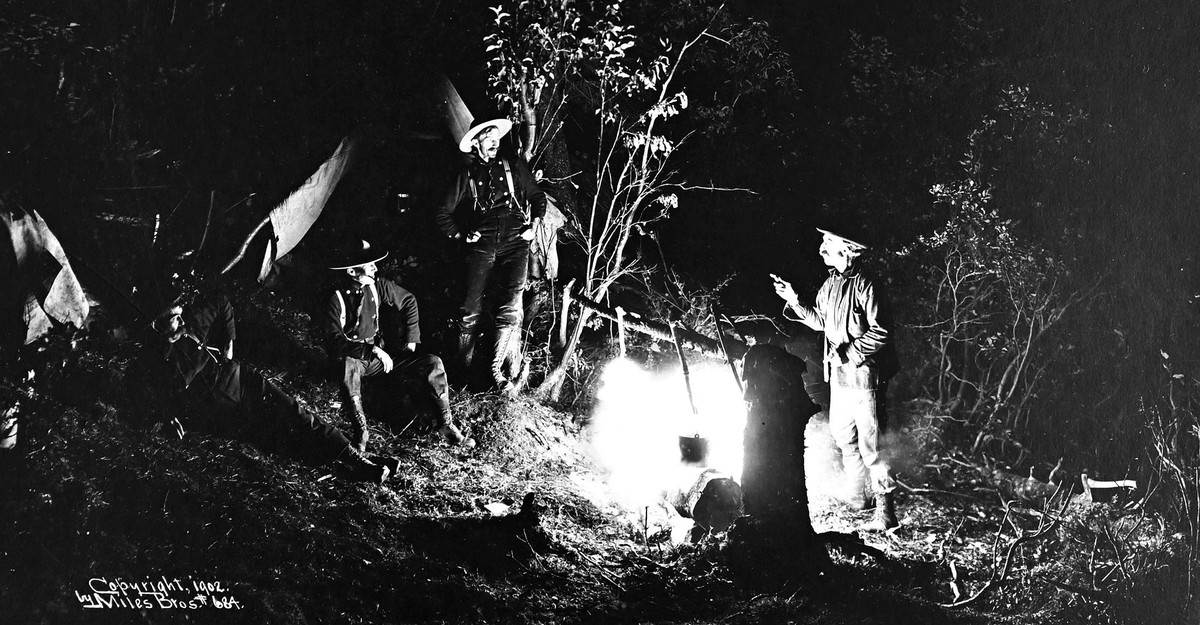
Exploring the Untamed Beauty of Alaska’s Copper River Valley in 1902
In 1902, Alaska’s Copper River Valley was a land of raw wilderness, where glaciers carved paths through towering mountains and prospectors chased dreams of copper riches. This remote region, home to the Ahtna people for centuries, became a focal point of exploration and industry as railroads and mining camps transformed its landscape. Here, we journey back to uncover the valley’s dramatic history and enduring natural splendor.
The Allure of Copper: A Rush to the Last Frontier
When prospectors discovered vast copper deposits in the late 19th century, the valley became Alaska’s equivalent of the Klondike Gold Rush. By 1902, the Copper River and Northwestern Railway was under construction, a 196-mile engineering marvel that would connect Kennicott’s mines to Cordova’s port. “This railway wasn’t just tracks—it was a lifeline through some of North America’s most treacherous terrain,” notes historian Margaret Owens, author of Alaska’s Industrial Frontier.
Key challenges faced by the 1902 workforce included:
- Navigating the unstable Miles Glacier terminus
- Surviving temperatures reaching -40°F in winter
- Constructing bridges across the Copper River’s raging channels
The region’s copper output soon became legendary. The Kennecott Mines would eventually yield over $200 million worth of ore (equivalent to $3 billion today), drawing thousands to this isolated corner of the territory.
Indigenous Stewards and Changing Landscapes
Long before miners arrived, the Ahtna Athabascans thrived along the Copper River’s banks. “To us, this land wasn’t untamed—it was home,” explains elder Sarah Williams of the Native Village of Kluti-Kaah. “The rivers gave us salmon, the forests provided caribou, and the copper itself had spiritual significance.”
By 1902, traditional lifeways faced unprecedented pressure:
- Commercial fishing operations began competing with subsistence nets
- Railway construction altered migration routes
- New towns like Chitina brought both opportunity and disease
Archaeological evidence shows Ahtna settlements dating back 5,000 years along the river’s tributaries. Today, their descendants continue advocating for cultural preservation amid the valley’s tourism boom.
Engineering Against the Elements
The Copper River Railway became a testament to human determination. Construction crews in 1902 battled:
- Glacial floods that could sweep away entire work camps overnight
- Muskeg (boggy terrain) swallowing track beds whole
- Supply chains stretching 1,500 miles from Seattle
“They essentially built two railroads,” explains civil engineer Daniel Park. “One for construction materials, then the permanent line. All without modern surveying tools or heavy equipment.” The project’s 1907 completion enabled Kennecott to ship 300-ton ore loads—a volume unimaginable just five years prior.
Wildlife and Conservation Legacy
Even in 1902, observers marveled at the valley’s ecological wealth. Naturalist Adolph Murie recorded:
- Over 200,000 salmon spawning in the Copper River delta annually
- Dall sheep populations exceeding current numbers
- Grizzly bears following glacial runoff patterns
This biodiversity faced new threats from industrial activity. Ironically, the same railway that enabled mining also laid groundwork for conservation by bringing scientists like Murie to document the region. Today, much of the valley falls within Wrangell-St. Elias National Park—America’s largest protected wilderness.
Echoes of 1902 in Modern Alaska
The Copper River Valley’s dual identity—as both industrial hub and pristine wilderness—still defines it. The Kennicott ghost town draws history buffs, while the river’s famed salmon supply high-end restaurants nationwide. Climate change now reshapes the landscape as dramatically as 1902’s railroads did, with glaciers retreating up to 1 mile since that era.
For those seeking adventure, the valley offers:
- Historic railway treks along the abandoned CR&NW route
- Flightseeing tours over the Million Dollar Bridge
- Cultural programs at the Ahtna Heritage Foundation
As tourism eclipses mining as the valley’s economic engine, new questions emerge about balancing preservation with access. One thing remains certain: the Copper River Valley’s untamed spirit endures, whispering tales of 1902 to those who listen. Plan your visit through the Wrangell-St. Elias National Park visitor center to experience this living history firsthand.
See more BBC Travel World


