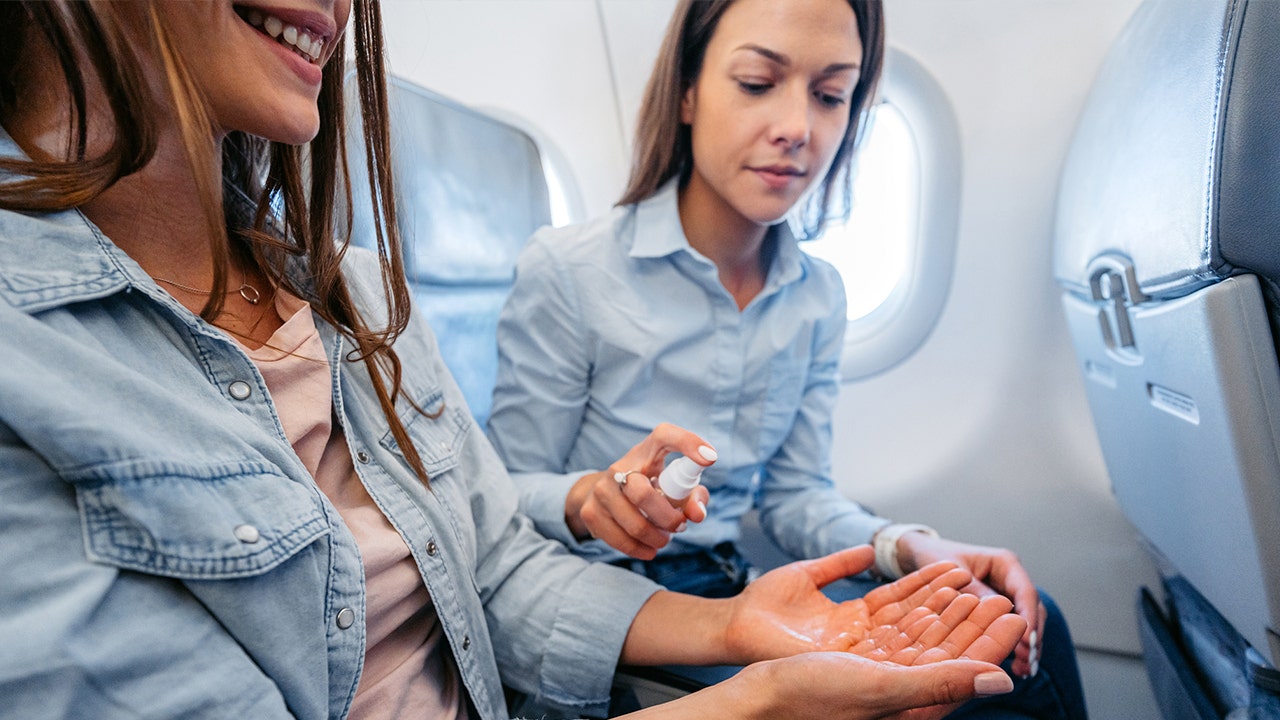
Disinfectant Dilemma: Passenger Sparks Controversy Over In-Flight Hygiene
A recent flight from New York to Los Angeles turned contentious when a passenger sprayed disinfectant in the cabin, triggering coughing fits among fellow travelers. The incident, which occurred on June 15 aboard Delta Flight 487, has reignited debates about post-pandemic hygiene etiquette and personal boundaries in shared spaces.
The Mid-Air Confrontation That Went Viral
Witnesses describe a 20-minute altercation after a business-class passenger used a commercial disinfectant spray near their seat. “It felt like pepper spray—people started coughing uncontrollably,” recounted seatmate Linda Torres, who captured the incident on video. The footage shows at least four passengers covering their faces as the mist spread through the cabin’s recirculated air.
Flight attendants intervened, asking the passenger to stop using the spray. However, the traveler insisted they were within their rights, citing Delta’s pre-pandemic policy allowing small disinfectant containers. “I’m immunocompromised and COVID isn’t gone,” the passenger argued in the video, which has garnered 2.7 million views on TikTok.
Airline Policies in Flux
Major carriers updated disinfectant rules during the pandemic, but inconsistencies remain:
- Delta: Allows wipes but prohibits sprays that “may disturb other passengers”
- United: Banned all aerosol disinfectants in 2021 after similar incidents
- American: Permits sprays under 3.4 oz if used “discreetly”
“Aircraft cabins have 12-15 air changes per hour,” notes aviation health expert Dr. Priya Kapoor. “But concentrated chemicals in confined spaces can cause temporary respiratory irritation, especially for asthma sufferers.” The FAA reported 143 disinfectant-related complaints in 2022—a 780% increase from 2019.
Public Health vs. Personal Space
The incident highlights competing priorities in the “new normal” of travel. A 2023 Travel Health Journal study found:
- 62% of passengers want stricter cabin cleanliness standards
- 41% have experienced conflict over hygiene practices
- 78% of flight attendants report disinfectant disputes since 2020
“We’re caught between passengers who still fear germs and those sensitive to chemicals,” said Association of Flight Attendants VP Jessica Wu. Her union now pushes for standardized policies across airlines.
Finding Common Ground at 30,000 Feet
Behavioral psychologist Dr. Evan Ritter suggests reframing the issue: “This isn’t about right or wrong—it’s about shared responsibility. Travelers might consider:
- Using unscented wipes instead of sprays
- Discreetly sanitizing before boarding
- Respecting immediate seatmate preferences”
Meanwhile, airlines face pressure to clarify policies. Delta has since updated its website with specific disinfectant guidelines, while United plans to trial “hygiene awareness” announcements.
The Future of In-Flight Hygiene
As travel volumes rebound to pre-pandemic levels, industry analysts predict:
- More airlines may install UV sanitization systems (currently on 12% of U.S. fleets)
- Potential “hygiene zones” for immunocompromised travelers
- Increased training for crew members on mediating disinfectant disputes
The FAA will review disinfectant policies this fall, with consumer groups advocating for clearer passenger education. “Ultimately, we all want safe, comfortable flights,” says travel blogger Mark Ellison. “That requires balancing individual needs with community consideration.”
For travelers seeking alternatives, TSA-approved sanitizing wipes and portable air purifiers (under 2 lbs) provide discreet options. As summer travel peaks, this incident serves as a reminder that shared spaces demand shared solutions.
See more BBC Travel World


