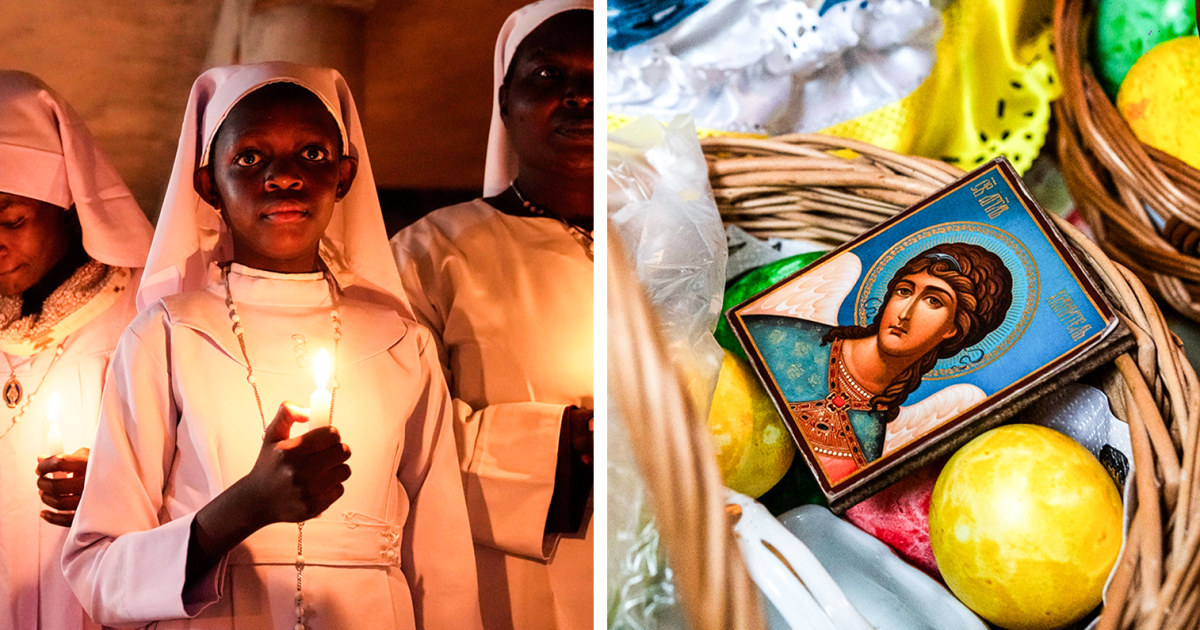
Global Easter Celebrations: A Cultural Tapestry of Traditions and Joy
Easter, celebrated by millions worldwide, marks the resurrection of Jesus Christ and heralds spring’s arrival. Observed on March 31 this year, the holiday blends religious reverence with cultural festivities across continents. From solemn processions in Europe to vibrant parades in Latin America, communities unite in joy, showcasing unique traditions that reflect their heritage and shared humanity.
Religious Roots and Historical Significance
Easter’s origins trace back to early Christianity, intertwining with pagan spring festivals. The Council of Nicaea (325 AD) standardized its date as the first Sunday after the first full moon following the vernal equinox. Today, 2.4 billion Christians—about a third of the global population—observe the holiday, according to Pew Research Center.
“Easter’s adaptability to local cultures is its strength,” says Dr. Eleanor Whitmore, a cultural anthropologist at Oxford University. “In Ethiopia, it’s Fasika, a 55-day fast broken with feasts. In the Philippines, some reenact crucifixions. These variations deepen its meaning.”
European Traditions: From Bonfires to Bilbies
Europe’s Easter customs reflect its diverse history:
- Greece: Midnight church services culminate in fireworks and the sharing of magiritsa, a lamb soup.
- Sweden: Children dress as Easter witches, exchanging drawings for candy—a tradition rooted in folklore.
- Germany: Trees hung with painted eggs symbolize renewal, while the Osterhase (Easter hare) delivers treats.
Meanwhile, Australia replaces the Easter bunny with the endangered bilby to promote wildlife conservation—a modern twist on tradition.
Latin America: A Fusion of Faith and Festivity
In Latin America, Easter merges Catholic rituals with indigenous influences. Mexico’s Semana Santa features elaborate reenactments of the Passion, while Guatemala’s Antigua hosts flower-carpeted processions. Brazil’s Festa de Páscoa includes chocolate eggs and lively street performances.
“The blend of solemnity and celebration here is unparalleled,” notes Father Miguel Hernandez of Lima’s Cathedral. “It’s a communal expression of faith and resilience.”
North America and Beyond: Commercial and Cultural Expressions
The U.S. Easter egg roll at the White House, initiated in 1878, draws 30,000 attendees annually. Meanwhile, Japan embraces the holiday secularly, with themed cakes and pastel decorations—despite Christians comprising just 1% of its population.
Globally, Easter spending exceeds $20 billion, reports the National Retail Federation. Yet, as sociologist Dr. Lisa Tran remarks, “The holiday’s essence lies not in consumption but in connection—whether through shared meals, storytelling, or acts of service.”
The Future of Easter: Unity in Diversity
As migration and digital connectivity reshape traditions, Easter evolves while retaining its core message of hope. Interfaith dialogues and eco-conscious celebrations—like egg-dyeing with natural pigments—are gaining traction.
This Easter, whether you’re lighting candles in Kyiv or flying kites in Bermuda, consider exploring a new tradition. After all, the holiday’s beauty lies in its ability to weave a global tapestry of joy and renewal.
Call to Action: Share your unique Easter traditions with us on social media using #GlobalEaster—let’s celebrate the world’s cultural richness together!
See more BBC Travel World


