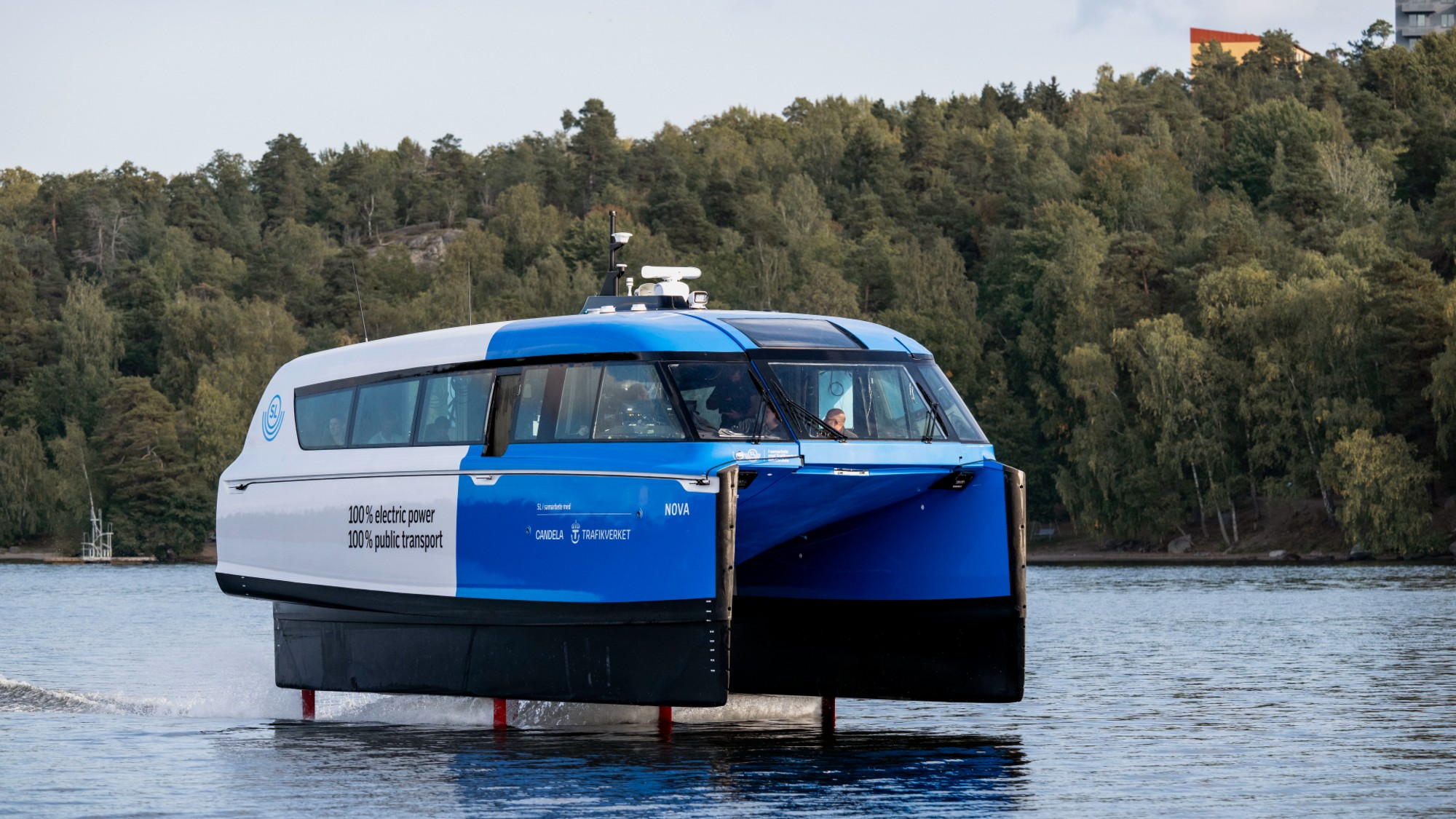
Charting a Greener Future: The Rise of Electric Ferries in Sustainable Transport
As global efforts to combat climate change intensify, electric ferries are emerging as a transformative force in maritime transport. From Norway to New York, these zero-emission vessels are replacing diesel-powered fleets, slashing carbon footprints while offering quieter, cleaner travel. Governments and private operators alike are investing heavily in this technology, signaling a sea change in how we navigate waterways sustainably.
The Environmental Imperative Driving Electric Ferries
Maritime transport accounts for nearly 3% of global greenhouse gas emissions, with ferries contributing significantly due to frequent stops and high fuel consumption. Electric ferries, powered by rechargeable batteries, eliminate tailpipe emissions and reduce noise pollution by up to 70%. For instance, Norway’s “Future of the Fjords” ferry, launched in 2018, operates entirely on electricity, preserving the fragile Arctic ecosystem while transporting 400 passengers per trip.
“The shift to electric ferries isn’t just about compliance—it’s about reimagining urban mobility,” says Dr. Lena Sørensen, a maritime sustainability expert at the University of Oslo. “These vessels are proving that eco-friendly alternatives can be both practical and profitable.”
Global Pioneers Leading the Charge
Scandinavia remains at the forefront of this revolution. Denmark’s Ærø Island boasts a fully electric ferry fleet, while Sweden’s “Ellen” ferry—the world’s longest-range electric vessel—covers 22 nautical miles on a single charge. Beyond Europe, cities like San Francisco and Sydney are piloting similar projects, with the latter aiming to electrify its entire ferry network by 2030.
- Norway: Plans to electrify 60+ ferries by 2025
- Canada: $250M invested in electric ferry infrastructure
- India: Launching its first solar-electric hybrid ferry in Kerala
Challenges and Criticisms
Despite their promise, electric ferries face hurdles. High upfront costs—often 20-30% more than diesel equivalents—deter smaller operators. Battery limitations also pose challenges; icy waters can reduce efficiency, and long charging times disrupt tight schedules. “The technology isn’t yet viable for all routes,” admits Carlos Rivera, a naval engineer based in Miami. “We need breakthroughs in energy density to compete with fossil fuels on longer journeys.”
Critics also highlight the environmental cost of battery production, which relies on lithium mining. However, proponents argue that lifecycle emissions remain far lower than diesel alternatives, especially as recycling programs expand.
Innovations Accelerating Adoption
Advances in battery technology are addressing these concerns. Solid-state batteries, for example, promise faster charging and longer lifespans. Meanwhile, hydrogen fuel cells are being tested as a complementary solution for longer routes. In 2023, Scotland’s “HySeas III” became the first ferry to run solely on green hydrogen, showcasing the sector’s versatility.
Governments are bolstering progress through subsidies and mandates. The EU’s Fit for 55 package includes stricter emissions rules for ferries, while the U.S. Inflation Reduction Act allocates funds for zero-emission maritime projects.
The Road Ahead: A Vision for 2050
By mid-century, analysts predict electric ferries could dominate short-distance maritime transport, especially in urban hubs. “Imagine silent, emission-free ferries gliding through every major river city,” says Sørensen. “That future is closer than we think.”
For travelers, the benefits extend beyond sustainability. Electric ferries offer smoother rides and panoramic windows—unobstructed by smokestacks—enhancing the passenger experience. As infrastructure improves, ticket prices are expected to drop, making green travel accessible to all.
Ready to support the transition? Advocate for local investments in electric ferry infrastructure or choose eco-friendly transport options on your next waterfront visit.
See more BBC Travel World


