Exploring America’s Most Dangerous National Parks: A Cautionary Guide
America’s national parks are celebrated for their breathtaking landscapes, diverse ecosystems, and unparalleled opportunities for adventure. Yet, beneath their beauty lies a hidden tapestry of dangers that can catch even the most seasoned outdoorsman by surprise. In this comprehensive guide, we’ll explore America’s most dangerous national parks, highlighting the risks they pose and offering essential safety tips for adventure seekers and nature lovers alike.
Understanding the Risks in National Parks
While national parks provide a sanctuary for wildlife and a playground for visitors, they can also present serious hazards. From treacherous terrains and unpredictable weather to wildlife encounters and health risks, it’s crucial to be aware of the potential dangers. Here are some common risks associated with visiting national parks:
- Wildlife Encounters: Parks are home to diverse species, some of which can be dangerous, including bears, snakes, and mountain lions.
- Extreme Weather: Weather can change rapidly, leading to dangerous conditions such as flash floods, snowstorms, or extreme heat.
- Rugged Terrain: Many parks feature challenging trails that can lead to falls or injuries.
- Isolation: Some areas are remote, making it difficult to access help in case of an emergency.
Top 10 Most Dangerous National Parks in America
Let’s dive into the specifics of ten of America’s most dangerous national parks. Each park presents unique challenges that every visitor should be aware of.
1. Denali National Park, Alaska
Known for its rugged wilderness and stunning views of North America’s highest peak, Denali poses significant risks due to its harsh weather and remote location. Visitors face potential avalanches, wildlife encounters (especially with bears), and extreme temperatures.
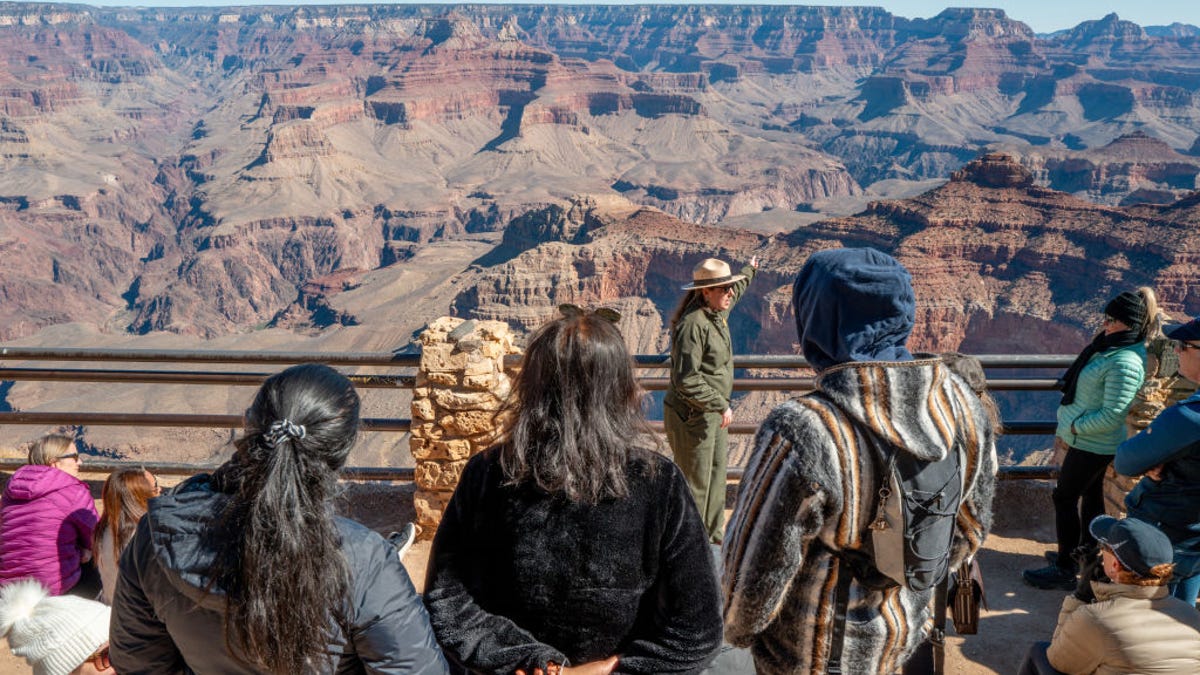
2. Grand Canyon National Park, Arizona
The Grand Canyon attracts millions of visitors each year, but its depths can be treacherous. Falls from the rim, dehydration, and heat exhaustion are common concerns. It’s vital to stay on designated trails and carry sufficient water.
3. Yosemite National Park, California
Yosemite’s stunning cliffs and waterfalls are breathtaking but can also be deadly. Rockfalls and slippery surfaces pose serious risks, particularly in places like El Capitan. Additionally, flash floods can occur with little warning during rainstorms.
4. Glacier National Park, Montana
With its stunning glaciers and expansive wilderness, Glacier National Park is a hiker’s paradise. However, visitors must be cautious of sudden weather changes, grizzly bear encounters, and difficult trail conditions. Carry bear spray and stay informed about trail closures.
5. Great Smoky Mountains National Park, Tennessee/North Carolina
This park is notorious for its fog, which can obscure visibility and lead to disorientation. Additionally, the presence of black bears and poisonous plants like poison ivy requires caution among hikers.
6. Yellowstone National Park, Wyoming
Yellowstone is home to geysers, hot springs, and a variety of wildlife. The geothermal features can be dangerous if visitors venture off trails. Moreover, encounters with bison and bears can be life-threatening if proper precautions aren’t taken.
7. Rocky Mountain National Park, Colorado
High altitudes and sudden weather changes make Rocky Mountain National Park particularly risky. Visitors should be aware of altitude sickness and prepare for rapidly changing conditions. Hikers should also be cautious of steep cliffs and wildlife.
8. Zion National Park, Utah
Zion’s breathtaking canyons and narrow trails are stunning but can pose risks. Flash floods can occur in slot canyons, and the steep drop-offs along trails like Angels Landing require careful navigation.
9. Acadia National Park, Maine
While Acadia is smaller than many other national parks, it has significant dangers, particularly along its coastal cliffs. Strong tides and sudden weather changes can catch visitors off guard. It’s essential to stay aware of your surroundings and heed warning signs.
10. Badlands National Park, South Dakota
The Badlands are known for their sharp cliffs and deep canyons. Visitors can easily get lost, and the extreme heat in summer makes hydration crucial. The rugged terrain also poses risks of falls and injuries.
Safety Tips for National Park Visitors
While exploring these dangerous parks can be thrilling, understanding how to stay safe is paramount. Here are some essential safety tips:
- Research Your Destination: Familiarize yourself with the park’s hazards and recommended safety measures before your visit.
- Always Stay on Trails: Avoid venturing off marked paths to reduce the risk of injury and getting lost.
- Carry Essential Gear: Bring necessities like water, food, a first aid kit, a map, and a compass or GPS device.
- Inform Someone: Always let someone know your itinerary and expected return time.
- Watch the Weather: Check forecasts and be prepared for sudden changes in weather conditions.
- Respect Wildlife: Maintain a safe distance from animals and never feed them. Carry bear spray in bear country.
- Know Your Limits: Choose trails and activities that match your fitness level and experience.
Conclusion: Embrace Adventure with Caution
America’s most dangerous national parks offer some of the most exhilarating and breathtaking experiences in nature. By understanding the risks and preparing adequately, you can enjoy the beauty and wonder these parks have to offer while staying safe. Remember, adventure is best enjoyed with a healthy respect for nature’s power and unpredictability. So pack your gear, plan your route, and embark on your journey with caution and enthusiasm!
See more BBC Travel World


