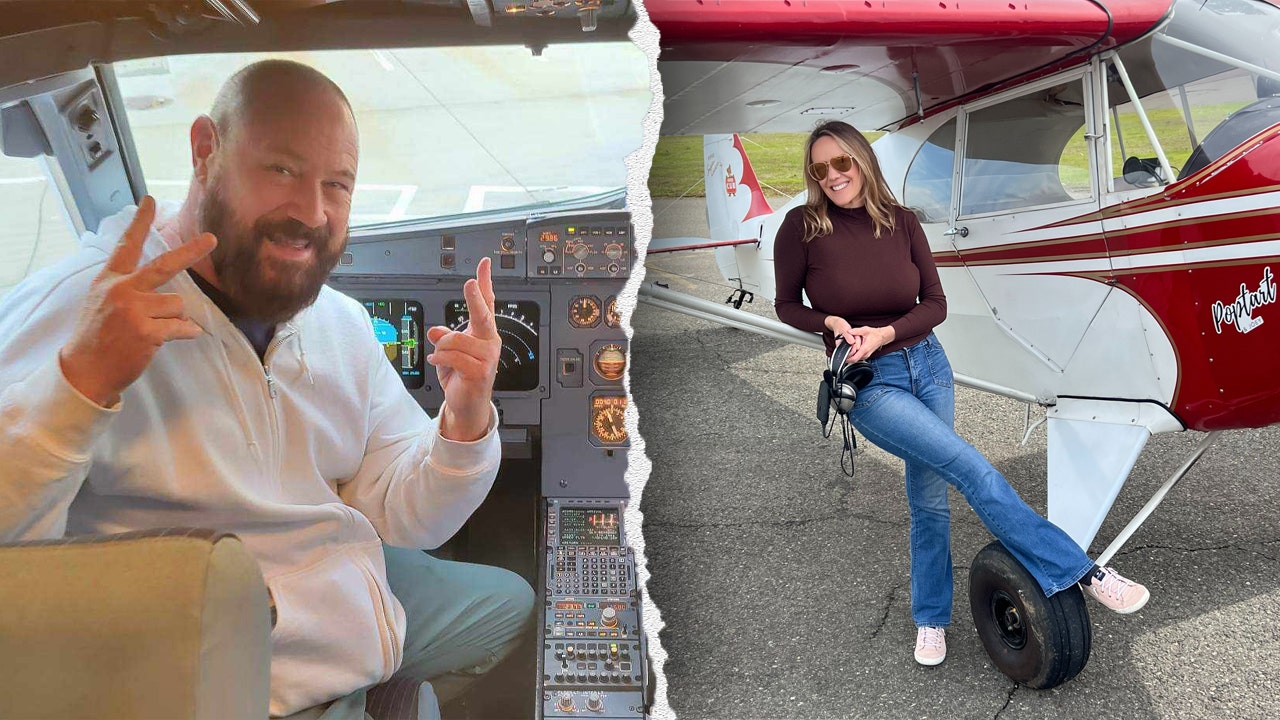
Overcoming the Sky: A Lifelong Fear of Flying
For many, the thought of taking to the skies can evoke feelings of wonder and excitement. However, for a significant portion of the population, air travel is synonymous with anxiety, dread, and an overwhelming fear of flying. This article explores the journey of a man who conquered his lifelong fear of flying, shares valuable lessons for fellow travelers, and features insights from an aviation expert about the psychology of air travel anxiety and the safety of flying.
Understanding the Fear of Flying
Fear of flying, known as aviophobia, is a common fear that affects millions. This anxiety can stem from various factors, including:
- Past traumatic experiences: Incidents such as turbulence, emergency landings, or even news of plane crashes can trigger intense fear.
- Fear of heights: Individuals who have a fear of heights may also find themselves anxious when flying.
- Loss of control: Being in an aircraft means relinquishing control to the pilots, which can be unsettling for some.
- Claustrophobia: The confined space of an airplane can provoke feelings of anxiety.
For those dealing with this anxiety, the journey to overcoming it is often long and challenging. However, it is not insurmountable.
A Personal Journey: Conquering the Fear of Flying
Meet John, a 42-year-old marketing executive who battled his fear of flying for over two decades. John’s anxiety was rooted in a turbulent flight when he was a teenager, which left him shaken and unwilling to board an airplane ever again. Family vacations became road trips, business meetings were conducted over video calls, and travel was largely avoided.
However, after years of missing out on experiences, John decided it was time to confront his fear. His journey began with research. He explored the psychology behind aviophobia, learning that many people share similar experiences and that fear is often irrational. With this newfound knowledge, he began taking small steps toward his goal of flying.
Steps to Overcoming Fear
Here are some of the strategies John employed to overcome his fear of flying, which can serve as helpful tips for others:
- Education: John attended workshops that focused on the mechanics of flying and safety protocols. Understanding how planes work and how safe air travel is helped diminish his fears.
- Gradual exposure: Instead of jumping on a plane for a long-haul flight, John started with short flights. He took a flight from New York to Boston, gradually increasing his distance as he became more comfortable.
- Meditation and mindfulness: Incorporating meditation into his daily routine helped John manage anxiety. He practiced deep-breathing exercises before and during flights.
- Support systems: John confided in friends and family about his fear, who provided emotional support and encouragement. Traveling with someone who understood his struggle also helped ease his anxiety.
After a few flights, John began to notice a significant change in his anxiety levels. He learned to appreciate the beauty of the skies and the thrill of travel. His confidence grew, and he even took a trip to Europe, something he had once deemed impossible.
Expert Insights on Air Travel Anxiety
To further understand the nuances of air travel anxiety, we spoke with Dr. Emily Carter, a clinical psychologist specializing in phobias and anxiety disorders. According to Dr. Carter, the fear of flying often relates to a combination of psychological factors and personal experiences.
“It’s essential to recognize that fear is a natural response,” Dr. Carter explains. “The key is how we cope with that fear. Cognitive-behavioral therapy (CBT) is particularly effective for treating aviophobia. It helps individuals reframe their thoughts and develop coping strategies.”
Dr. Carter also emphasizes the importance of educating oneself about flying safety. “Knowing that flying is one of the safest modes of transportation can significantly reduce anxiety. Statistically, the chance of experiencing a flight-related accident is extremely low.”
Reassuring Facts About Flying Safety
As Americans continue to grapple with the fear of flying, it is essential to provide reassurance through factual information. Here are some key facts to consider:
- Safety statistics: According to the National Safety Council, flying is 29 times safer than driving. The odds of dying in a plane crash are about 1 in 11 million.
- Pilot training: Commercial pilots undergo rigorous training and continuous education. They are well-prepared to handle various scenarios, ensuring passenger safety.
- Aircraft technology: Modern aircraft are equipped with advanced technology and safety systems that significantly reduce the risk of accidents.
Understanding these facts can help alleviate anxiety and foster a sense of security when flying.
Final Thoughts: A Journey Worth Taking
Overcoming a lifelong fear of flying is no small feat. John’s journey illustrates that with dedication, education, and the right support, it is possible to conquer this fear and embrace the beauty of air travel. As Dr. Carter notes, “Facing fears can lead to profound personal growth and open up a world of new experiences.”
For anyone struggling with a fear of flying, remember: you’re not alone. With patience and perseverance, the sky is no longer the limit but a gateway to adventure.
See more BBC Travel World


