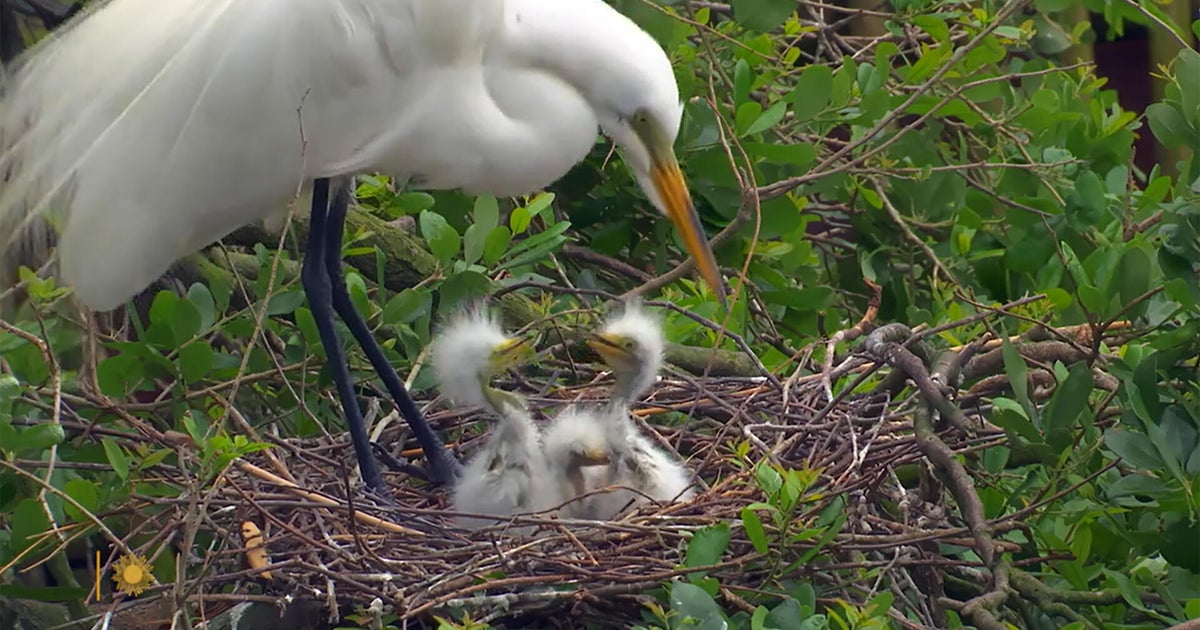
Unveiling Florida’s Hidden Aviary: The Secrets of Nesting Birds
Florida’s diverse ecosystems serve as a vital sanctuary for over 500 bird species, many of which engage in remarkable nesting behaviors each spring. From the iconic roseate spoonbill to the elusive Florida scrub-jay, these avian residents employ intricate strategies to protect their young amid coastal wetlands, urban landscapes, and dense forests. This hidden world, shaped by climate, habitat loss, and human activity, reveals both the resilience and vulnerability of Florida’s bird populations.
The Art of Nesting: Strategies Across Species
Birds in Florida exhibit a stunning array of nesting techniques tailored to their environments. Wading birds, such as herons and egrets, often form bustling colonies in mangroves, while burrowing owls repurpose abandoned gopher tortoise holes. “These adaptations aren’t just instinctual—they’re refined through generations,” explains Dr. Elena Martinez, an ornithologist at the University of Florida. “For instance, ospreys now frequently nest on artificial platforms, a shift from their traditional tree-top sites.”
Key nesting behaviors include:
- Material Mastery: Bald eagles reinforce massive nests with sticks, some weighing over a ton.
- Timing Precision: Migratory species like the black-whiskered vireo synchronize nesting with Florida’s wet season to ensure food abundance.
- Camouflage: Ground-nesting birds such as the northern bobwhite rely on cryptic coloring to evade predators.
Threats to Avian Nurseries
Despite their adaptability, Florida’s nesting birds face mounting challenges. A 2023 Audubon Florida report noted a 35% decline in shorebird nests due to coastal development, while invasive species like feral cats destroy an estimated 2.4 million birds annually. “Nesting success hinges on undisturbed habitats,” warns conservationist Javier Rivera. “When mangroves are cleared for seawalls or lights disorient hatchlings, entire generations are lost.”
Climate change exacerbates these pressures. Rising sea levels inundate low-lying nests, and hotter temperatures alter insect populations—critical food sources for chicks. However, initiatives like the Florida Birding Trail, which designates protected corridors, offer hope. Since 2020, these efforts have helped stabilize populations of the threatened snowy plover.
Citizen Science: A Flight Toward Solutions
Public involvement has become pivotal in safeguarding nesting birds. Programs like NestWatch encourage residents to monitor local nests, contributing data that shapes conservation policies. In Tampa Bay, volunteers have documented a 20% increase in least tern nests after installing decoys to attract mates. “Every observation counts,” says Martinez. “Even reporting a backyard cardinal’s nest helps us track shifts in behavior.”
Tourism also plays a dual role. While eco-tours raise awareness, overcrowding can disrupt nesting sites. Guidelines, such as maintaining 100-foot distances from colonies, aim to balance education and ethics.
Future of Florida’s Feathered Families
The survival of Florida’s nesting birds hinges on coordinated action. Researchers advocate for:
- Expanding protected wetlands under the Florida Forever program
- Enforcing stricter penalties for habitat destruction
- Promoting native landscaping to provide urban nesting materials
As Rivera notes, “Birds are indicators of ecosystem health. Their struggles reflect broader environmental imbalances we must address.” For readers inspired to help, supporting local Audubon chapters or participating in beach cleanups can make a tangible difference. The secrets of Florida’s aviary are a call to action—one that ensures these winged wonders thrive for generations.
See more BBC Travel World


