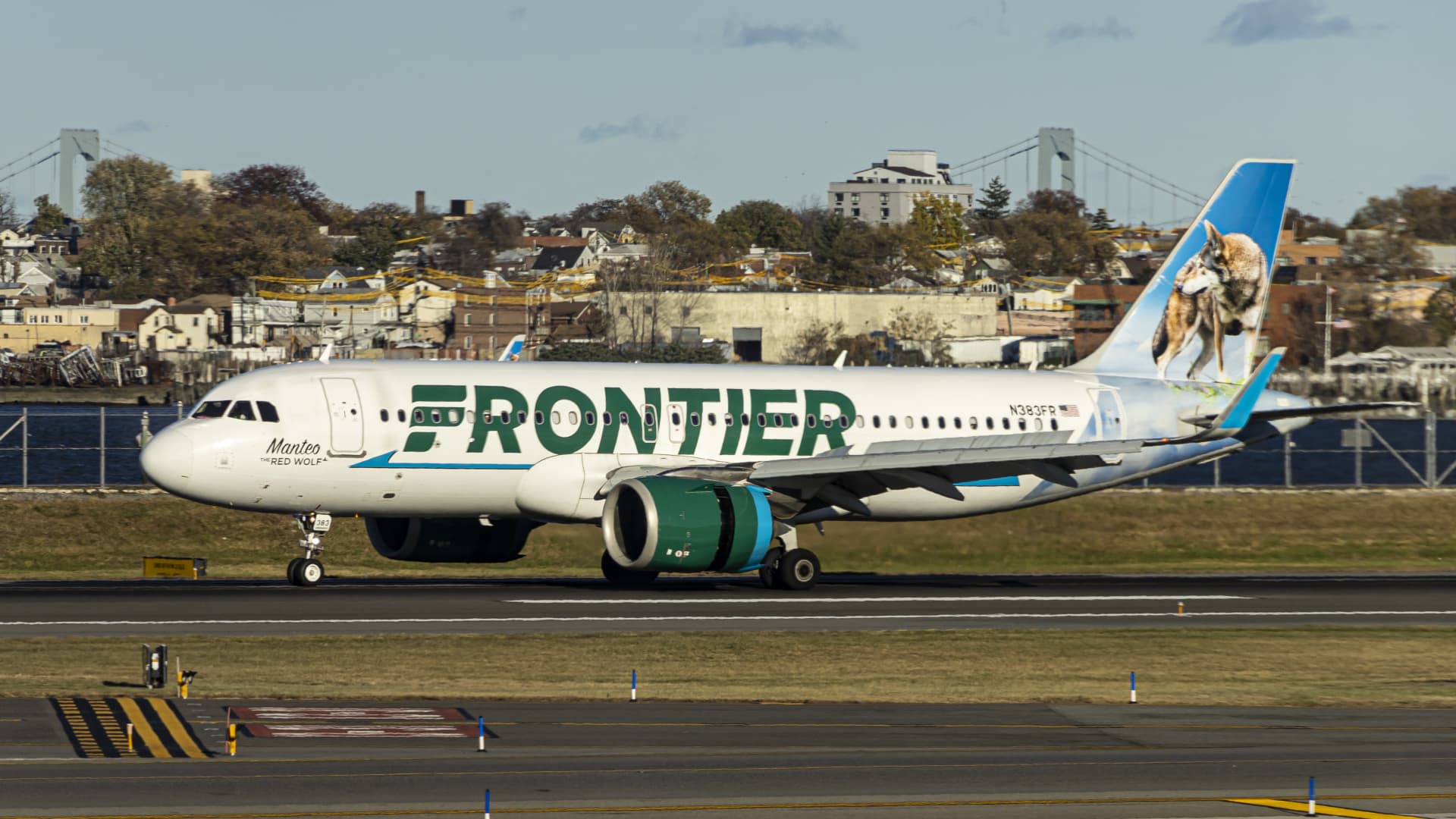
Frontier Airlines Adjusts Strategy as March Travel Demand Plummets
Frontier Airlines is slashing flights in response to a sharp decline in travel demand this March, signaling potential turbulence for the budget carrier and the broader aviation industry. The Denver-based ultra-low-cost carrier confirmed the schedule reductions this week, citing softening consumer demand and economic pressures. Industry analysts suggest this strategic retreat may foreshadow a challenging summer season as airlines grapple with shifting traveler priorities and persistent inflation.
Market Forces Ground Frontier’s Expansion Plans
The airline had previously projected 20% capacity growth for 2024 but now appears to be hitting the brakes. According to Cirium data, Frontier will operate 12% fewer flights in March compared to original plans, with particular cuts affecting:
- Florida leisure routes (down 18%)
- Transcontinental flights (down 15%)
- Secondary city connections (down 22%)
“When discretionary spending tightens, leisure travelers are often the first to stay home,” noted aviation analyst Rebecca Torres of AeroDynamic Advisory. “Frontier’s exposure to price-sensitive vacationers makes them particularly vulnerable to these demand shifts.”
The Perfect Storm: Economic Pressures Reshape Air Travel
Multiple factors are converging to dampen air travel enthusiasm. The Bureau of Labor Statistics reports airfares remain 25% above pre-pandemic levels while personal savings rates have declined for seven consecutive months. Meanwhile, credit card debt recently surpassed $1.13 trillion, leaving many consumers hesitant to book non-essential trips.
“We’re seeing a fundamental recalibration of travel priorities,” explained Dr. Michael Chen, transportation economist at Colorado State University. “Where travelers previously prioritized revenge travel post-pandemic, they’re now making more calculated decisions about when and where to fly.”
Frontier’s response involves strategic pruning rather than wholesale retreat. The airline is focusing cuts on routes with:
- Lower-than-expected advance bookings
- Intense competition from larger carriers
- Higher operational costs relative to revenue potential
“This isn’t about shrinking our footprint,” emphasized Frontier spokesperson Maria Vasquez. “We’re optimizing our network to match current demand patterns while maintaining flexibility to scale up when conditions improve.”
Contrasting Strategies Among Budget Carriers
While Frontier contracts, some competitors are taking different approaches:
- Spirit Airlines continues aggressive expansion despite recent financial losses
- Southwest Airlines maintains steady capacity while offering more promotions
- Breeze Airways is actually adding new routes targeting underserved markets
Industry observers note Frontier’s ultra-lean operating model gives it particular flexibility to adjust quickly. The airline maintains one of the youngest fleets in the industry (average aircraft age: 4.3 years) and doesn’t operate hub facilities, allowing rapid schedule changes.
Consumer Behavior Shifts Create New Challenges
The demand slump reflects broader changes in traveler priorities. Recent surveys show:
- 43% of travelers are taking fewer trips than in 2023
- 61% now book closer to departure dates (vs. 38% in 2022)
- Only 27% consider air travel their preferred vacation transport
“Consumers aren’t abandoning travel entirely, but they’re becoming much more selective,” said travel industry consultant Deborah Winston. “Many are opting for road trips or choosing destinations where their dollar stretches further.”
The Business Travel Factor
While Frontier primarily serves leisure travelers, the broader decline in business travel (still at just 75% of pre-pandemic levels) affects overall industry dynamics. Major carriers relying on premium cabins are competing more aggressively for budget-conscious leisure travelers, squeezing ultra-low-cost carriers.
“When Delta starts matching Spirit’s fares on Florida routes, that changes the game completely,” noted Torres. “The big airlines have more financial cushion to absorb short-term losses while protecting market share.”
What’s Next for Frontier and Budget Air Travel?
Analysts suggest Frontier’s moves may preview a broader industry adjustment period. Key indicators to watch include:
- Summer booking patterns through April
- Fuel price volatility
- Consumer confidence indices
- Competitor capacity adjustments
The airline has several strategic options, including deeper schedule cuts, increased promotional activity, or even exploring new revenue streams like bundled vacation packages. Some industry watchers speculate Frontier could become an acquisition target if conditions worsen.
“The next six months will test whether ultra-low-cost carriers can adapt to this new normal,” concluded Chen. “Those who balance cost discipline with strategic flexibility will likely emerge stronger.”
For travelers, this period may bring both challenges and opportunities. While route options may diminish in some markets, increased competition could yield unexpected fare sales. Savvy consumers should monitor airline announcements and be prepared to act quickly when deals emerge.
Stay informed about air travel trends by subscribing to our transportation newsletter for monthly industry updates and expert analysis.
See more BBC Travel World


