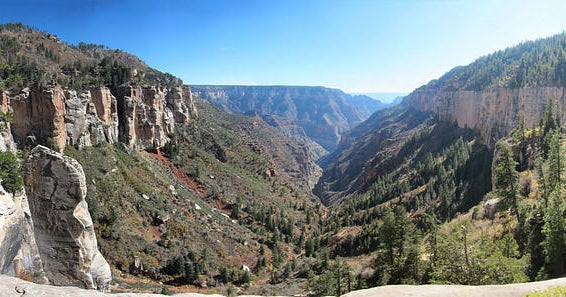
Tragedy Strikes: Hiker’s Fatal Attempt at Grand Canyon’s Rim-to-Rim Challenge
A 74-year-old hiker died last week while attempting the Grand Canyon’s grueling rim-to-rim hike, underscoring the dangers of extreme outdoor challenges. The victim, whose identity has not yet been released pending family notification, collapsed near the North Kaibab Trail on Tuesday afternoon despite rescue efforts. This marks the third fatality on the trail this year, reigniting debates about safety protocols for aging adventurers.
The Perils of the Rim-to-Rim Hike
The Grand Canyon’s rim-to-rim trek spans approximately 24 miles with a vertical descent and ascent of nearly 6,000 feet—equivalent to climbing down and back up a 500-story building. Temperatures can swing 30+ degrees between the canyon floor and rim, with summer highs exceeding 120°F in the shade. According to National Park Service data:
- 250+ search-and-rescue operations occur annually in the Grand Canyon
- Hiking-related incidents account for 40% of park emergencies
- The rim-to-rim trail sees 2-3 fatalities per year on average
“Many underestimate how rapidly conditions change,” warns Dr. Rebecca Solis, a wilderness medicine specialist at Northern Arizona University. “The canyon creates its own microclimate where dehydration and heat stroke can onset within hours, especially in older adults.”
Warning Signs Ignored?
Eyewitness accounts suggest the hiker showed visible distress before collapsing. Fellow trail users reported seeing the man resting frequently and struggling with his footing in the hours before the incident. Park rangers emphasize three critical risk factors present in this case:
- Advanced age (hikers over 60 account for 38% of fatalities)
- Midday departure (contrary to recommended pre-dawn starts)
- Apparent lack of electrolyte supplements
However, some hiking advocates push back against perceived ageism. “Seventy-four isn’t what it used to be,” argues veteran guide Mark Henderson. “I’ve seen octogenarians complete this hike safely with proper training. The real issue is preparation, not birth certificates.”
The Science of Survival in Extreme Conditions
Recent studies from the Wilderness Medical Society reveal why the Grand Canyon proves particularly treacherous:
- Elevation changes disrupt acclimatization
- Dry air masks sweat loss (hikers may not feel drenched)
- Canyon walls trap heat like a convection oven
Physiologically, aging bodies face compounded risks. After age 60, the body’s thermoregulation efficiency declines by approximately 3% per decade. Heart rates take longer to stabilize after exertion, and thirst mechanisms become less reliable.
Prevention Strategies for Future Hikers
The National Park Service has launched a new awareness campaign featuring:
- Mandatory safety videos for backcountry permits
- Age-specific hiking recommendations at trailheads
- Real-time heat risk indicators via the NPS app
Experts universally recommend these precautions for rim-to-rim attempts:
- Train with weighted packs for 6+ months
- Schedule medical clearance including stress tests
- Hike during shoulder seasons (April-May/September-October)
- Carry satellite communication devices
A Broader Conversation About Risk and Reward
This tragedy occurs amid growing participation in extreme hiking challenges. The American Hiking Society reports a 17% annual increase in rim-to-rim attempts since 2020, with retirees comprising the fastest-growing demographic. Social media plays a controversial role—#RimToRim has over 300,000 Instagram posts showcasing achievements but rarely the struggles.
“We need to shift the narrative from conquest to stewardship,” suggests psychologist Dr. Elena Torres. “The wilderness doesn’t care about your bucket list. Humility might be the most important piece of gear.”
Honoring the Victim While Learning Lessons
As the investigation continues, the hiking community mourns while reevaluating safety norms. Memorial hikes are being organized to honor the victim’s adventurous spirit, paired with fundraising for improved trail monitoring systems. Meanwhile, outfitters report increased demand for guided group hikes rather than solo attempts.
The Grand Canyon Conservancy reminds visitors: “These landscapes command respect, not dominance. Proper preparation turns ambitious dreams into safe realities.” For those inspired to attempt the rim-to-rim challenge, consult the NPS’s updated Hiking Tips page before hitting the trail.
See more BBC Travel World


