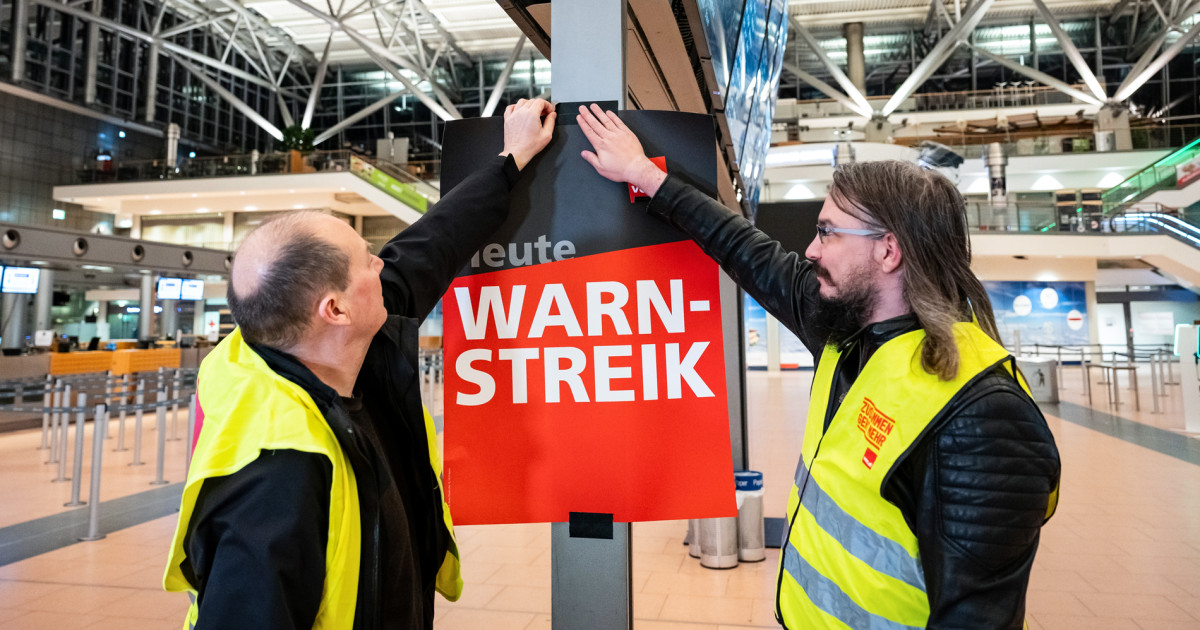
Chaos in the Skies: The Impact of the Hamburg Airport Strike
The recent strike at Hamburg Airport has thrown the travel plans of over 40,000 passengers into disarray, creating a chaotic scene at one of Germany’s busiest transportation hubs. With thousands of flights canceled or delayed, travelers are scrambling to find alternative routes and accommodations as the situation continues to evolve.
Understanding the Strike: Causes and Implications
The strike, organized by airport ground staff as part of a broader labor dispute, primarily revolves around demands for better pay and working conditions. Workers argue that their salaries have not kept pace with inflation and the rising cost of living, prompting calls for improved compensation packages. This labor action highlights the ongoing struggles faced by employees in the aviation sector, where the pandemic has exacerbated pre-existing issues.
In recent years, airports worldwide have been grappling with staffing shortages, which have led to increased workloads and stress for remaining employees. The strike at Hamburg Airport is a stark reminder of the challenges faced by the aviation industry, as labor disputes become more common in the wake of economic uncertainty.
The Immediate Impact on Passengers
For the more than 40,000 passengers affected by the Hamburg Airport strike, the immediate consequences are significant. Many travelers found themselves stranded, with no clear information on when their flights might be rescheduled or if they could be rerouted to other airports. The chaos at the airport has been compounded by long lines, crowded terminals, and limited access to customer service representatives.
- Flight Cancellations: A majority of scheduled flights were either canceled or severely delayed, leading to disruptions in travel plans.
- Stranded Passengers: Many travelers were left without accommodation, forcing them to seek last-minute hotel bookings or alternative travel arrangements.
- Increased Stress Levels: The uncertainty surrounding flight statuses heightened anxiety among passengers, many of whom had important commitments and connections to make.
Alternative Travel Options for Affected Passengers
In light of the disruption caused by the strike, many passengers are exploring alternative travel options to reach their destinations. Here are some strategies travelers might consider:
- Train Travel: Germany boasts an extensive train network, and travelers can often find convenient connections to major cities.
- Bus Services: Long-distance bus operators can provide budget-friendly alternatives for those willing to travel by road.
- Rerouting to Nearby Airports: Passengers may also consider flying from other airports in the region, such as Bremen or Hannover, although this may require additional travel time and planning.
Long-Term Effects on the Aviation Industry
The strike at Hamburg Airport serves as a critical juncture for the aviation industry, raising questions about labor relations and employee satisfaction in a post-pandemic world. As airlines and airports strive to recover from the economic impact of COVID-19, they must also address the underlying issues that lead to labor disputes.
Experts suggest that to prevent future strikes, airports and airlines need to:
- Engage in Proactive Communication: Establishing open lines of communication with employees can help management understand grievances before they escalate into strikes.
- Review Compensation Packages: Regularly assessing pay and benefits in relation to industry standards can help retain talent and keep morale high.
- Invest in Employee Wellness: Implementing programs that support employee mental and physical health can contribute to a more positive work environment.
The Role of Technology During Disruptions
In an age where technology plays a pivotal role in travel, effective communication tools are essential during disruptions. Airlines and airports are increasingly turning to mobile apps and social media to keep passengers informed about flight statuses and available resources. However, during the Hamburg Airport strike, many passengers reported difficulties accessing timely updates.
Travelers are encouraged to:
- Download Airline Apps: Staying connected through official apps can provide real-time updates on flight changes and alternative arrangements.
- Utilize Social Media: Following airlines and airports on social media can offer insights into the latest developments and customer service options.
- Sign Up for Alerts: Many airlines offer notification services for flight changes; signing up can keep travelers informed and prepared.
While the chaos in the skies resulting from the Hamburg Airport strike has certainly disrupted the plans of many travelers, it also presents an opportunity for the aviation industry to reflect and improve. As the situation unfolds, passengers are encouraged to remain patient and flexible, seeking alternative options while the industry works to resolve these labor disputes.
In the coming weeks, it will be crucial for airlines and airport authorities to engage in meaningful dialogue with their employees to address the root causes of discontent. By doing so, they can help to ensure that such chaos in the skies becomes a rare occurrence rather than a common reality. As we move forward, the hope is that the aviation sector emerges stronger, with a renewed focus on both employee welfare and customer satisfaction.
See more BBC Travel World


