Preserving Legacy: The Fight to Save James Monroe’s Historic Oak Hill Estate
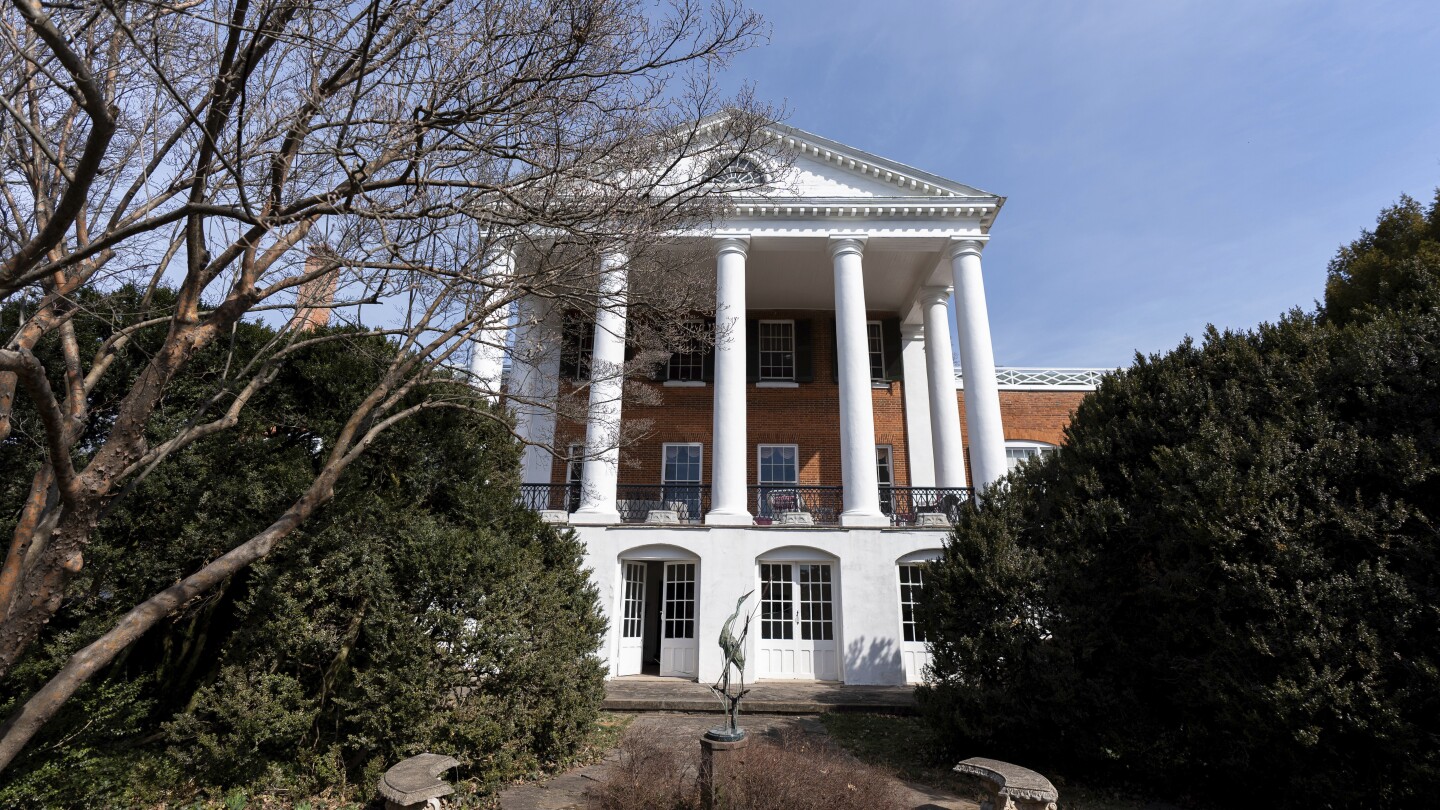
James Monroe’s Oak Hill estate stands as a testament to the life and legacy of the fifth President of the United States. Nestled in the picturesque Virginia countryside, this historic site not only embodies the rich heritage of early American history but also faces a critical crossroads. Advocates are now rallying to transform this cherished estate into a public park, aiming to preserve its legacy while enhancing community access to this historical treasure. The fight to save Oak Hill is not just about preserving a building; it’s about honoring the ideals and history of a nation.
The Historical Significance of Oak Hill
Built in the early 19th century, Oak Hill was designed by James Monroe himself, reflecting his vision of a home that harmonized with the surrounding landscape. The estate served as Monroe’s primary residence from 1799 until his death in 1831. The architecture of Oak Hill is a stunning example of Federal-style design, characterized by its symmetrical proportions and classic detailing. The estate features expansive gardens and a majestic view of the Blue Ridge Mountains, which Monroe himself admired.
Monroe’s legacy extends beyond architecture; he was a founding father who played a pivotal role in shaping the nation’s early policies and diplomatic relations. His Monroe Doctrine, established in 1823, was a cornerstone of American foreign policy that sought to limit European colonialism in the Americas. Thus, preserving Oak Hill is crucial not only for its architectural and aesthetic values but also for its connection to the broader narrative of American history.
The Current Challenge: Neglect and Decay
Unfortunately, the Oak Hill estate has faced significant neglect over the years. The once-vibrant grounds have suffered from a lack of maintenance, leading to deterioration of the structures and gardens. The challenge now lies in balancing the preservation of this historic site with the need for public engagement and accessibility.
Advocates for Oak Hill’s transformation into a public park argue that making the estate accessible to the community will not only preserve its legacy but also foster a greater appreciation for history among future generations. By turning Oak Hill into a public park, visitors can enjoy the beauty of the landscape while learning about the significant role James Monroe played in American history.
Community Engagement and Support
The push to save Oak Hill has galvanized community support, with local residents and historians coming together to advocate for the estate’s preservation. Town hall meetings and community forums have been organized to discuss the future of the estate, providing a platform for citizens to voice their opinions and ideas. Some of the key points of discussion include:
- Educational Programs: Implementing programs that teach visitors about Monroe’s life and contributions to the nation.
- Restoration Initiatives: Enlisting volunteers and local organizations to assist in restoration efforts.
- Events and Activities: Hosting community events, such as historical reenactments, art fairs, and nature walks.
Community engagement has proven essential in rallying support for the initiative. Local historians and educators emphasize the importance of preserving Oak Hill as a means of connecting residents with their heritage and fostering a sense of pride in their historical roots.
Preservation Plans and Prospects
As the campaign to save Oak Hill gains momentum, preservation plans are taking shape. These plans include a comprehensive restoration of the estate, focusing on both the main house and the surrounding gardens. The goal is to return the estate to its former glory while ensuring that it remains a viable resource for the community.
Key components of the preservation plan include:
- Historical Research: Conducting thorough research to inform restoration efforts, ensuring that changes are historically accurate.
- Architectural Conservation: Employing skilled craftsmen to restore the estate’s structural integrity and aesthetic qualities.
- Sustainable Practices: Incorporating eco-friendly methods in the landscaping and maintenance of the property.
The prospects for Oak Hill are promising, as interest in historical preservation and community parks has grown nationwide. By transforming the estate into a public park, advocates hope to create a space that celebrates history while also serving as a recreational area for families and visitors.
The Broader Impact of Preservation
Preserving James Monroe’s Oak Hill estate is not merely a local issue; it resonates with broader themes of historical preservation and community identity. Historical sites like Oak Hill serve as tangible connections to the past, offering insights into the lives of influential figures and the evolution of American society.
Moreover, public parks have been shown to enhance community well-being. They provide spaces for recreation, relaxation, and social interaction, fostering a sense of belonging among residents. By transforming Oak Hill into a public park, advocates are not only preserving a piece of history but also creating a valuable community resource that promotes health and wellness.
Conclusion: A Call to Action
The fight to save James Monroe’s historic Oak Hill estate is a testament to the power of community advocacy and historical preservation. As the movement to transform the estate into a public park gains traction, it presents an opportunity to honor Monroe’s legacy while enriching the lives of current and future generations.
It is essential for community members, historians, and policymakers to come together in support of this initiative. By preserving Oak Hill, we not only safeguard a vital piece of American history but also enrich our communities with a shared space for reflection, education, and enjoyment. The legacy of James Monroe deserves to be celebrated, and Oak Hill can serve as a beacon of that legacy for years to come.
See more BBC Travel World


