Unlocking the Genius of Leonardo da Vinci: A Deep Dive into Renaissance Art
Leonardo da Vinci, a towering figure of the Renaissance, is celebrated not just for his artistic prowess but also for his innovative techniques that have left an indelible mark on the world of art. This article delves into how da Vinci’s revolutionary contributions transformed Renaissance painting and continues to influence generations of artists today.
The Renaissance Context
The Renaissance, a period spanning roughly from the 14th to the 17th century, was characterized by a renewed interest in the classical art and philosophy of ancient Greece and Rome. This era set the stage for artists like Leonardo to flourish, paving the way for a new approach to representation, perspective, and human emotion in art.
Innovative Techniques of Leonardo da Vinci
Leonardo’s mastery of various techniques was pivotal in shaping the visual language of the Renaissance. Here are some of the most significant methods he employed:
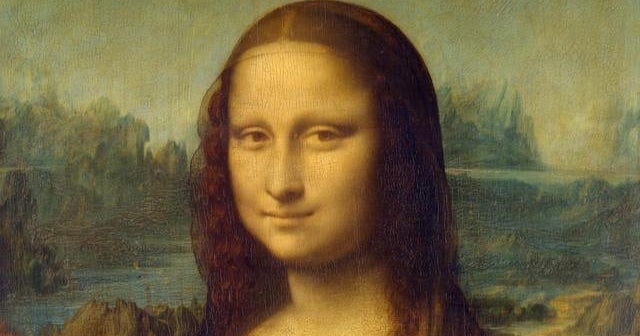
- Sfumato: This technique involves the subtle blending of colors and tones, creating a soft transition between light and shadow. It is famously seen in the enigmatic smile of the Mona Lisa, where Leonardo’s use of sfumato adds depth and realism.
- Chiaroscuro: By contrasting light and dark, da Vinci was able to create a sense of volume and three-dimensionality in his figures. This technique was revolutionary, allowing for more dynamic compositions and lifelike representations.
- Perspective: Leonardo was a pioneer in the use of linear perspective, employing mathematical principles to create the illusion of depth on a flat surface. His work, The Last Supper, exemplifies this technique, drawing the viewer’s eye to the vanishing point behind Christ.
Understanding the Masterpieces
To grasp the full impact of Leonardo’s contributions, one must explore the intricacies of his masterpieces:
- Mona Lisa: Arguably the most famous painting in the world, the Mona Lisa captivates viewers with her mysterious expression and masterful use of sfumato. The painting’s allure lies not only in its aesthetic beauty but also in the psychological depth that Leonardo infused into his subject.
- The Last Supper: This mural, depicting Christ’s final meal with his disciples, showcases Leonardo’s groundbreaking use of perspective and composition. Each figure conveys distinct emotions, enhancing the narrative and drawing the viewer into the moment.
- Vitruvian Man: More than just a drawing, the Vitruvian Man represents Leonardo’s fascination with proportion and the human form. It bridges the realms of art and science, illustrating his belief in the interconnectedness of the two disciplines.
The Lasting Impact on Future Generations
Leonardo’s innovative techniques and artistic philosophy have resonated through the centuries, influencing countless artists across various movements:
- Baroque Artists: The dramatic use of light and shadow seen in Baroque art can be traced back to the chiaroscuro techniques pioneered by Leonardo.
- Impressionists: The Impressionist movement, with its emphasis on capturing light, owes much to Leonardo’s exploration of color and atmosphere.
- Modern Artists: Even contemporary artists continue to draw inspiration from Leonardo’s blending of art and science, often exploring the emotional and psychological dimensions of their subjects.
Conclusion: The Timelessness of Da Vinci’s Genius
Leonardo da Vinci’s contributions to Renaissance art were not merely a reflection of his time; they were a revolutionary force that reshaped the landscape of artistic expression. His innovative techniques and profound understanding of human emotion continue to inspire and challenge artists today. As we unlock the genius of Leonardo, we not only appreciate the beauty of his masterpieces but also recognize the enduring legacy of creativity and exploration that he has bequeathed to future generations.
See more BBC Travel World


